Understanding Your Utah Insurance Coverage for Storm Damage Cleanup
Updated On: February 3, 2026
Author: Darin Jenks
Jump To:
Storm season hits Northern Utah hard. Hail pummels roofs. Wind tears off shingles. Flash floods turn basements into swimming pools. At Swift Restoration and Remodeling, we've worked with hundreds of Weber County homeowners navigating insurance claims after storm damage cleanup. Over our 15 years serving Ogden and surrounding areas, we've learned exactly what insurance companies cover, what they don't, and how to make your claim process smoother.
Understanding your insurance coverage before disaster strikes saves you thousands in out-of-pocket costs. Many homeowners discover too late that their policy doesn't cover what they assumed it would. Let's break down the realities of storm damage insurance in Utah.
What Your Homeowners Policy Actually Covers
Standard homeowners insurance in Utah covers sudden, accidental damage from storms. This includes wind damage, hail impact, and lightning strikes. Your policy protects the structure of your home, attached structures like garages, and personal property inside.
Most policies cover these storm-related damages:
- Wind and hail damage to your roof, siding, windows, and exterior structures
- Water damage from roof leaks caused directly by storm damage (not pre-existing issues)
- Lightning strikes that damage your home's electrical systems or structure
- Fallen trees or branches that damage your house, garage, or fence
- Interior water damage that occurs because of storm-related roof or window damage
Here's what catches people off guard. Flood damage requires separate coverage. According to the National Flood Insurance Program, standard homeowners policies don't cover flooding from heavy rain, snowmelt, or overflowing streams. If water enters your home from ground level up, you need flood insurance.
Important Coverage Distinction
Water coming down through a storm-damaged roof:
Covered by homeowners insurance.
Water coming up from ground-level flooding:
Requires separate flood insurance.
Types of Storm Damage and Insurance Coverage
Hail Damage Coverage
Hail is common in Northern Utah. Your insurance covers hail damage to your roof, but here's the catch. Many policies include a special deductible just for hail and wind claims, often 1% to 5% of your home's insured value.
On a $400,000 home, a 2% wind/hail deductible means you pay the first $8,000. That's significantly higher than your standard deductible of maybe $1,000 or $2,500. Check your policy declarations page for this detail before filing a claim.
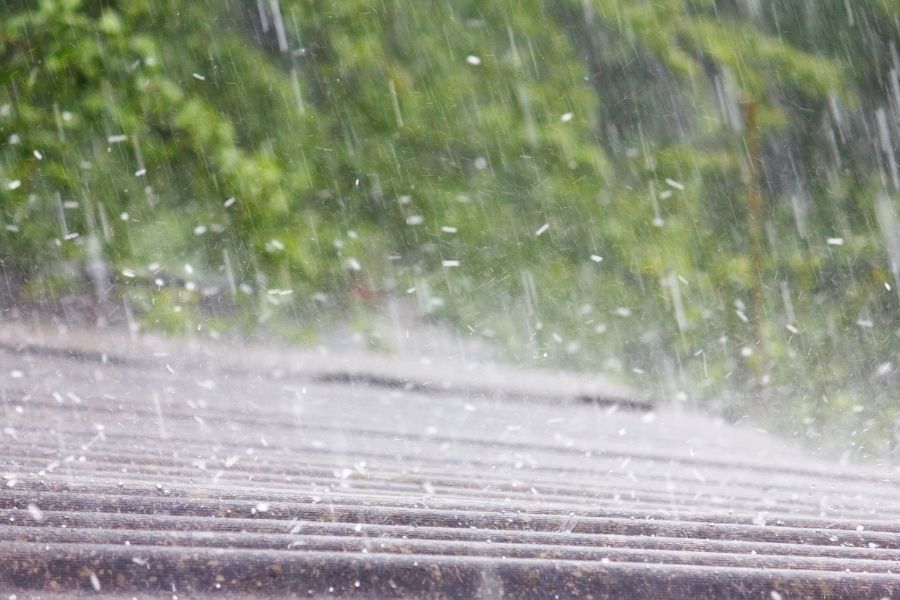
Hail damage like this requires immediate documentation and professional assessment for insurance claims.
Wind Damage Coverage
Wind damage includes torn-off shingles, damaged siding, broken windows, and downed fences. Coverage is straightforward if the damage happened during a single storm event. Your insurance company will verify weather reports for the date you claim.
Problems arise when wind reveals pre-existing roof wear. If your roof was already in poor condition, the insurance company might argue that age and lack of maintenance caused the failure, not the storm. This is why roof maintenance records matter.
Water Damage From Storm-Related Leaks
When a storm damages your roof or windows, water that enters your home is typically covered. This includes damage to ceilings, walls, flooring, and personal property. However, coverage has limits.
Insurance pays to repair the leak source and water damage. It doesn't cover mold remediation if you waited weeks to report the damage. You're expected to mitigate further damage promptly. That's where emergency board-up services and quick action protect your claim.
Lightning and Electrical Damage
Lightning strikes are fully covered under standard policies. This includes damage to your home's structure, electrical systems, appliances, and electronics fried by power surges. Keep receipts for all damaged items.
Fallen Tree Coverage
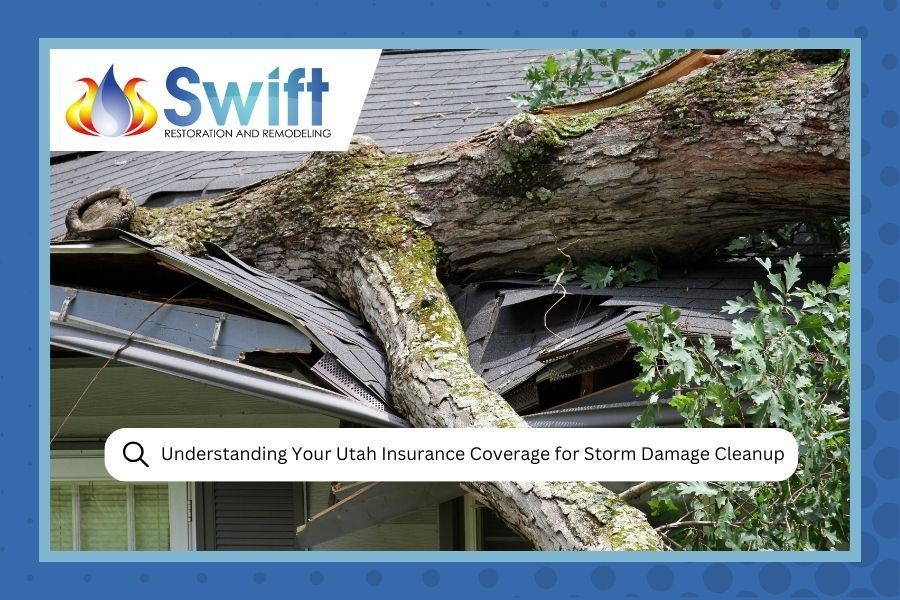
Your insurance covers tree removal and damage repair if a tree or large branch falls on your house during a storm. Coverage typically includes reasonable cleanup costs. However, if a tree falls in your yard without hitting any structure, removal is usually your responsibility unless your policy specifically includes debris removal coverage.
Filing Your Storm Damage Insurance Claim
File quickly. Most policies require prompt notification. Waiting even a few days can complicate your claim, and waiting weeks can lead to denial.
Here's the step-by-step process that works:
- Document everything immediately. Take photos and videos of all damage before making any temporary repairs.
- Make temporary repairs to prevent further damage. Cover broken windows, tarp damaged roofs, extract standing water. Save all receipts. These emergency mitigation costs are typically reimbursable.
- Call your insurance company within 24-48 hours. Get a claim number and adjuster assignment.
- Get a professional damage assessment. Professional restoration companies can identify hidden damage that adjusters might miss.
- Review your policy coverage limits. Understand your deductibles, coverage caps, and any special conditions.
- Keep detailed records. Document every conversation with your insurance company, including dates, times, and who you spoke with.
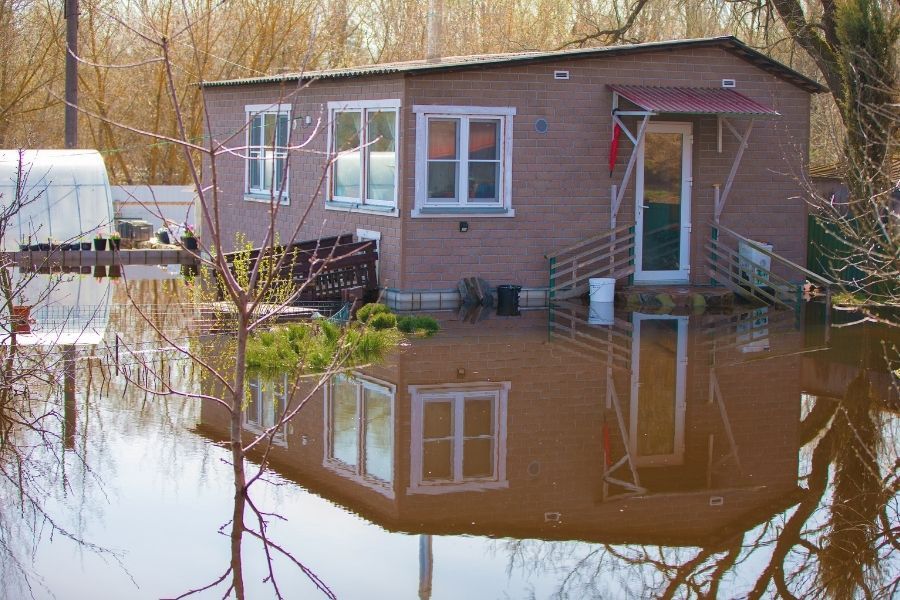
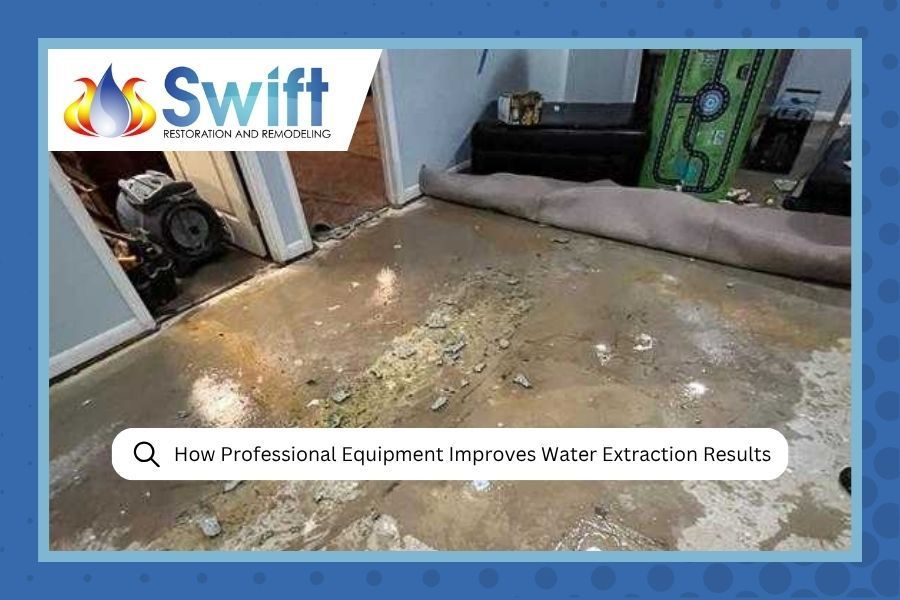
Storm flooding requires immediate action and proper documentation for insurance claims to succeed.
Documentation That Strengthens Your Claim
Insurance adjusters need proof. The more documentation you provide, the smoother your claim process. Based on our experience handling insurance work across Weber County, here's what strengthens claims:
Photos and Videos
Take photos from multiple angles. Capture wide shots showing overall damage and close-ups revealing specific problems. Video walkthroughs work even better because they show context and scale. Timestamp everything if possible.
Receipts and Records
Keep receipts for emergency repairs, temporary lodging if you had to evacuate, and any items you had to replace immediately. Your insurance company reimburses reasonable emergency expenses.
Contractor Estimates
Get written estimates from licensed contractors. At Swift Restoration and Remodeling, we provide detailed damage assessments and repair estimates at no charge. These professional evaluations carry weight with adjusters because they itemize damage that homeowners might overlook.
Weather Reports
Download weather data for the storm date from the National Weather Service. This verifies that severe weather actually occurred when you say it did.
| Documentation Type | Why It Matters | When to Get It |
|---|---|---|
| Photos/Videos | Proves extent of damage | Immediately after storm |
| Professional Assessment | Identifies hidden damage | Within 24-48 hours |
| Emergency Repair Receipts | Shows mitigation efforts | As repairs are made |
| Weather Reports | Verifies storm occurrence | Within first week |
| Maintenance Records | Proves proper upkeep | Keep ongoing records |
Working With Insurance Adjusters
The insurance adjuster determines how much your claim is worth. Be present during their inspection. Point out all damage, including things that aren't immediately obvious.
Adjusters work for the insurance company, not for you. They're trained to minimize claim payouts while staying within policy guidelines. This isn't personal. It's business. Having a professional contractor present during inspections often results in more comprehensive damage recognition.
What to Expect During the Inspection
The adjuster will document damage, take measurements, and note the condition of affected areas. They'll ask questions about what happened and when. Answer honestly and stick to facts. Don't speculate or exaggerate.
After inspection, the adjuster prepares a report and sends you an initial settlement offer. This first offer isn't always final. You can negotiate if you believe the assessment missed damage or undervalued repairs.
Getting a Fair Settlement
Compare the adjuster's estimate with professional contractor estimates. If there's a significant gap, you have grounds to request reconsideration. Provide additional documentation supporting your position.
Many homeowners accept the first offer without realizing they could negotiate. According to the Insurance Information Institute, policyholders have the right to question estimates and request re-inspections if new damage is discovered.
Working With Restoration Professionals
Professional restoration companies handle insurance work daily. We know what adjusters look for and how to document damage properly. Many insurance companies prefer working with certified restoration contractors because we follow industry standards and provide detailed documentation.
At Swift Restoration and Remodeling, our team coordinates directly with insurance adjusters, handles all documentation, and ensures repairs meet both insurance requirements and building codes. This removes the burden from homeowners during an already stressful time.
When Claims Get Denied
Sometimes insurance companies deny claims. Common denial reasons include:
- Pre-existing damage or poor maintenance. If your roof was already failing, the storm just revealed existing problems.
- Coverage exclusions. The damage type isn't covered under your specific policy.
- Delayed reporting. You waited too long to file the claim.
- Insufficient documentation. You can't prove the storm caused the damage.
- Failure to mitigate. You didn't take reasonable steps to prevent further damage.
A denial isn't necessarily final. You can appeal. Request a detailed written explanation of why your claim was denied. Review your policy carefully. Sometimes adjusters misinterpret coverage or miss details.
If your appeal is denied, you can request a third-party appraisal. Your policy likely includes an appraisal clause allowing you and the insurance company to each hire appraisers who then agree on damage value. If they can't agree, they bring in an umpire to decide.
For complex disputes, consult a public adjuster or attorney who specializes in insurance claims. They work on your behalf, not the insurance company's.
Understanding Actual Cash Value vs. Replacement Cost
Your policy pays claims one of two ways: actual cash value or replacement cost. This distinction dramatically affects what you receive.
Actual Cash Value (ACV) pays the depreciated value of damaged items. If your 15-year-old roof gets damaged, the insurance company deducts 15 years of depreciation from the replacement cost. You might get $5,000 for a roof that costs $15,000 to replace.
Replacement Cost Value (RCV) pays to replace damaged items with new ones of similar quality, minus your deductible. This costs more in premiums but provides significantly better protection.
Most policies pay ACV initially, then pay the remaining replacement cost after you complete repairs and submit receipts. This two-payment system protects insurance companies from overpaying on claims that never get repaired.
Northern Utah Storm Considerations
Utah's unique weather patterns create specific insurance considerations. Spring runoff causes flooding that standard policies don't cover. Winter ice dams create roof damage that insurers sometimes dispute. Summer hailstorms hit fast and hard.
Weber County experiences all these weather events. Knowing your coverage before they hit prevents unpleasant surprises. Review your policy annually. As your home value increases, make sure your coverage limits keep pace.
For more information on emergency preparedness and storm damage prevention, check out our guide on emergency preparation for Ogden Valley homeowners and learn about preventing ice dam damage on Weber County roofs.
Frequently Asked Questions
Does homeowners insurance cover water damage from heavy rain?
It depends on how the water enters your home. If rain comes through a storm-damaged roof or broken window, standard homeowners insurance covers it. However, if rainwater floods into your home at ground level, you need separate flood insurance. This distinction matters significantly in Northern Utah where both scenarios are common during spring storms. Always document the water entry point with photos to support your claim.
How long do I have to file a storm damage claim in Utah?
Most insurance policies require you to report claims "promptly" or "as soon as possible," typically within a few days of discovering damage. While Utah doesn't have a specific statutory deadline, waiting more than a week weakens your claim. Insurance companies can deny claims if they believe delayed reporting allowed additional damage to occur. File within 24-48 hours for the strongest claim position, especially for water damage where immediate mitigation prevents mold growth.
Will filing a storm damage claim raise my insurance rates?
It might, but not always. Weather-related claims like hail and wind damage typically don't increase rates as much as liability claims. Insurance companies expect storm claims in areas prone to severe weather. However, multiple claims within a short period can affect your rates or even lead to policy non-renewal. Before filing smaller claims, compare the payout amount to your deductible and potential rate increases. For major storm damage exceeding several thousand dollars, always file regardless of rate concerns.
What if my insurance estimate is lower than my contractor's estimate?
This happens frequently. Insurance adjusters sometimes miss hidden damage or use lower labor rates than local contractors charge. Request a detailed breakdown of both estimates and identify specific differences. Ask your contractor to meet with the adjuster to review discrepancies. You can also get a second contractor opinion to support your position. If the gap remains significant, your policy likely includes an appraisal clause allowing both parties to hire independent appraisers to determine fair repair costs. Don't accept an insufficient settlement that won't cover proper repairs.
Need Help With Storm Damage Insurance Claims?
At Swift Restoration and Remodeling, we work directly with your insurance company to ensure you get the coverage you deserve. Our team documents damage thoroughly, provides professional estimates, and handles the entire restoration process from start to finish.
We've been serving Ogden, Layton, Farmington, and Weber County for over 15 years. Our certified technicians respond 24/7 to storm emergencies.
Contact Us Today