Jump to Section:
When water damage strikes your home, what you can see is often just the tip of the iceberg. That dark stain on your ceiling? It might extend three feet beyond what's visible. That musty smell in your basement? There could be moisture trapped behind your drywall that you'd never spot without the right tools. This is where thermal imaging becomes a game changer for water damage restoration professionals in Ogden and throughout Weber County.
At Swift Restoration and Remodeling, we use thermal imaging cameras on nearly every restoration job, and homeowners are often amazed at what these devices reveal. Think of it as giving your restoration team x-ray vision, except instead of seeing through walls, we're seeing temperature differences that tell us exactly where moisture is hiding.
What Exactly Is Thermal Imaging?
Thermal imaging cameras don't actually see through walls (sorry to disappoint any sci-fi fans). Instead, they detect infrared radiation, which basically means they're reading the heat signature of everything they're pointed at. Different materials and moisture levels emit different amounts of heat, creating a colorful map that shows temperature variations across surfaces.
When water is present behind a wall, under flooring, or in your ceiling, it creates a cooler area compared to the surrounding dry materials. On a thermal image, these spots show up in distinct colors, typically blues and purples for cooler, wetter areas, and reds and yellows for warmer, drier zones.
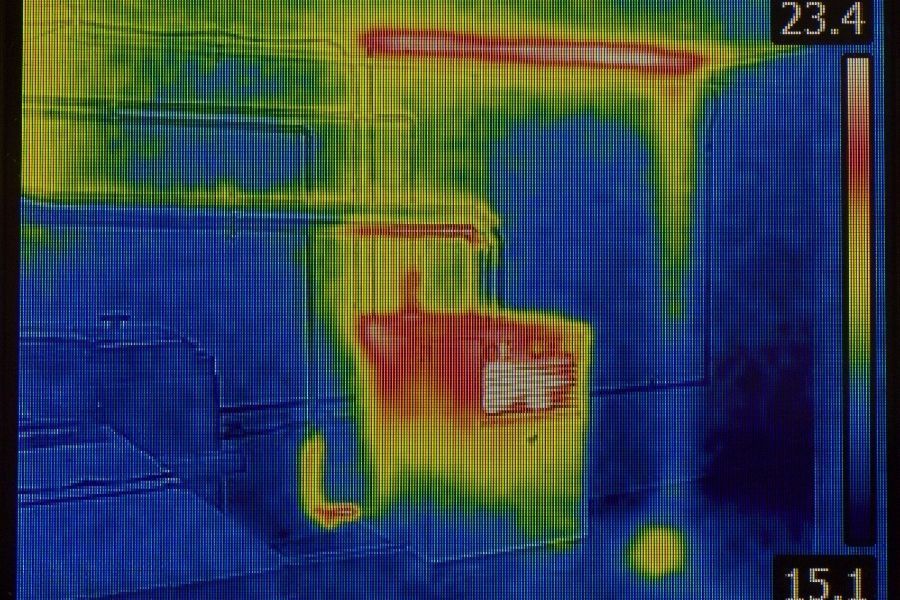
Thermal images use color scales to reveal temperature differences that indicate moisture presence in building materials.
According to the EPA's guidance on moisture control, undetected moisture is one of the primary causes of mold growth and structural damage in homes. Thermal imaging helps us find these hidden issues before they become major headaches.
Why Traditional Methods Fall Short
Traditional moisture detection relies heavily on visual inspection and moisture meters. While these tools are valuable, they have limitations. You can only use a moisture meter where you can physically reach, and visual inspections only catch what's already visible.
Here's a real example from a job we handled in Layton last spring: A homeowner noticed a small water stain about the size of a dinner plate on their living room ceiling. When we scanned the area with our thermal camera, we discovered the moisture actually extended across a 6-foot section of ceiling and had soaked into the insulation above. Without thermal imaging, we might have addressed only the visible stain, leaving hidden moisture to create mold problems down the road.
Ready to Protect Your Home from Hidden Water Damage?
Don't wait until a small leak becomes a major problem. Our team at Swift Restoration uses advanced thermal imaging technology to detect moisture issues before they escalate.
Contact Us TodayWe serve homeowners throughout Ogden and the surrounding areas with 24/7 emergency response.
Common Problems Thermal Imaging Detects
Hidden Water Leaks
Leaking pipes don't always announce themselves with puddles on the floor. Sometimes water seeps slowly into walls, under floors, or above ceilings for weeks or months before anyone notices. Thermal imaging can pinpoint the exact location of these leaks, which means less demolition and more targeted repairs. This is especially valuable for leak detection in older homes where plumbing runs through walls and floors.
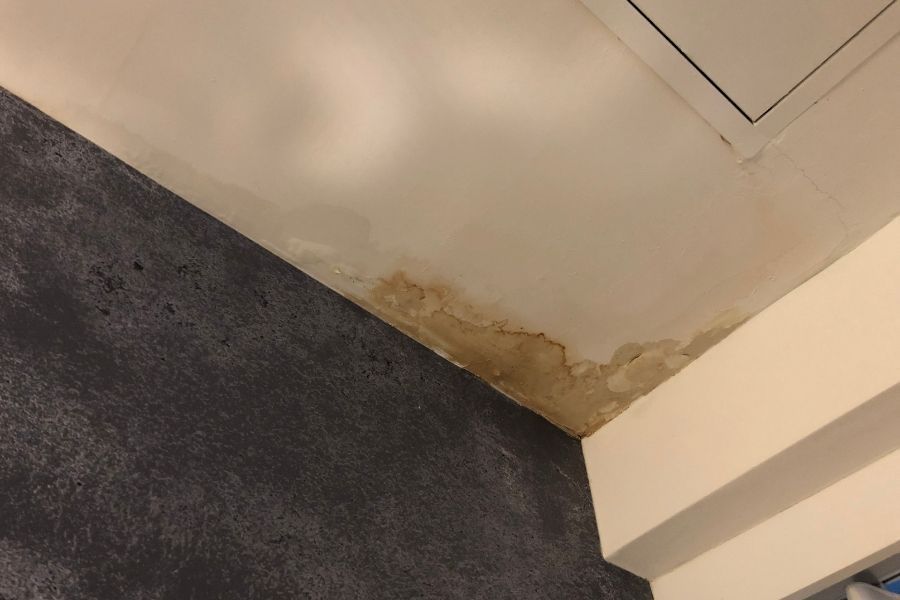
Thermal imaging reveals hidden leaks behind walls that would otherwise require extensive demolition to locate.
If you've noticed signs like unexplained water bills or damp spots, learning about the signs of water damage can help you understand when it's time to call for professional assessment.
Roof and Flashing Issues
Winter in Weber County can be brutal on roofs. Ice dams, wind-driven rain, and snow accumulation can all create entry points for water. Thermal imaging reveals where moisture has penetrated your roof deck, even when it hasn't dripped through to create visible ceiling stains yet. This early detection can save you thousands in repair costs.
Foundation and Basement Moisture
Basements in Northern Utah face unique challenges. Spring runoff and high groundwater levels can create moisture issues that aren't immediately obvious. Thermal imaging helps us identify where water is entering through foundation walls, which is crucial for preventing flooded basement problems and the mold growth that often follows.
Common Water Intrusion Points Detected by Thermal Imaging
| Location | Common Causes | Detection Advantage |
|---|---|---|
| Behind Walls | Pipe leaks, condensation | No demolition needed to locate source |
| Ceiling Cavities | Roof leaks, HVAC issues | Shows full extent beyond visible stains |
| Under Flooring | Slab leaks, appliance leaks | Identifies affected areas before floor removal |
| Basement Walls | Foundation cracks, groundwater | Pinpoints entry points for targeted repair |
| Around Windows | Flashing failure, seal breakdown | Reveals moisture migration patterns |
The Thermal Imaging Assessment Process
Here's what happens when our team arrives at your property with thermal imaging equipment:
- Initial Visual Walk-Through: We discuss your concerns and conduct a standard visual inspection to understand the scope of the problem.
- Thermal Scanning: We systematically scan the affected areas and surrounding spaces with our thermal camera, including walls, ceilings, floors, and any areas where moisture intrusion is suspected.
- Analysis and Documentation: The thermal images are analyzed in real time, and we document all findings with both thermal and regular photos for your assessment report.
- Moisture Verification: When the thermal camera indicates potential moisture, we verify it with moisture meters. This two-step approach ensures accurate readings.
- Comprehensive Reporting: You receive a detailed report showing what we found, where moisture is present, and what needs to be addressed.
What Makes Professional Thermal Imaging Worth It
You might be wondering if you could just rent a thermal camera and do this yourself. While consumer-grade thermal cameras are available, there's a significant difference between having the tool and knowing how to interpret what it shows you. Temperature differences can be caused by many things besides moisture, including air movement, insulation gaps, electrical activity, and exterior conditions.
Professional restoration technicians understand how to read these images in context. We know what normal temperature patterns look like in Weber County homes during different seasons. We can distinguish between a cold spot caused by missing insulation versus one caused by moisture.
Additionally, insurance companies often require professional documentation when processing claims. The thermal images and reports we provide are accepted by adjusters as credible evidence of damage extent, which can make a significant difference in your insurance claims restoration process.
Understanding how to detect water damage in your home before it's too late is key to protecting your property investment, and thermal imaging is one of the most powerful tools we have for early detection.
Learn About Our Water Damage ServicesUnderstanding Thermal Image Colors
If you're having thermal imaging done on your property, it helps to understand the basics of what you're looking at:
- Blue and purple colors typically indicate cooler temperatures, often associated with moisture or wet materials
- Green represents moderate temperatures close to room temperature
- Yellow, orange, and red show warmer areas that are typically dry
However, it's not always this straightforward. A cold spot could be moisture, or it could be an exterior wall losing heat. A warm spot might be a hidden pipe or just an area where the sun has been hitting the exterior. This is why professional interpretation matters so much.
Quick Reference: When to Request Thermal Imaging
- After any flooding or significant water event
- When you notice unexplained moisture or musty odors
- Before purchasing a home (especially older properties)
- After roof repairs or replacement
- When water bills increase without explanation
- Following spring snowmelt or heavy rain events
- If you suspect pipe leaks but can't locate the source
Local Factors in Northern Utah
Our climate in Northern Utah creates specific challenges that make thermal imaging particularly valuable. The extreme temperature swings between seasons stress building materials and create opportunities for water intrusion. Spring brings rapid snowmelt that can overwhelm drainage systems, while winter brings freezing temperatures that can cause pipe bursts and ice dam formation.
For homeowners in areas like Farmington and throughout Weber County, thermal imaging helps us catch these seasonal issues early. A quick scan after a major storm or during spring runoff can identify problems before they become emergencies.
The Bottom Line
Thermal imaging has transformed how we approach damage assessment and restoration. It's not just a fancy gadget; it's a tool that helps us serve our customers better by finding problems that would otherwise remain hidden until they cause serious damage. While the technology itself is impressive, what really matters is how it translates into better outcomes for homeowners: faster repairs, less invasive investigation, and the peace of mind that comes from knowing the full extent of any moisture issues.
At Swift Restoration and Remodeling, we've invested in quality thermal imaging equipment and ongoing training for our team because we've seen firsthand how it improves the restoration process. Whether you're dealing with obvious water damage or just want to ensure your home is in good shape, thermal imaging provides answers that traditional methods simply can't match.
Schedule Your Professional Water Damage Assessment
Don't let hidden moisture turn into a costly problem. Our certified technicians use state-of-the-art thermal imaging to give you complete peace of mind.
Get Your Free Assessment24/7 Emergency Response • Serving Ogden & Weber County • (385) 412-8633
Frequently Asked Questions
How much does thermal imaging add to the cost of a restoration assessment?
At Swift Restoration, thermal imaging is included as part of our standard assessment process at no additional charge. We believe it's essential for providing accurate estimates and ensuring we address all moisture issues, not just the visible ones. The technology actually saves you money by preventing unnecessary demolition and ensuring we don't miss hidden problems.
Can thermal imaging detect mold directly?
Thermal imaging doesn't directly detect mold, but it identifies the moisture conditions where mold thrives. Since mold needs moisture to grow, finding hidden wet areas with thermal imaging helps us locate potential mold problems before they become visible. If we find significant moisture that's been present for more than 48 hours, we'll recommend a professional mold inspection.
How accurate is thermal imaging compared to other moisture detection methods?
Thermal imaging is highly effective for identifying areas that need closer inspection, but we always verify thermal findings with calibrated moisture meters. This combination approach gives us the most accurate picture. Thermal imaging excels at covering large areas quickly and finding problems in inaccessible spaces, while moisture meters provide precise readings at specific points.
Does weather affect thermal imaging accuracy during a damage assessment?
Yes, exterior conditions can influence thermal readings. We typically avoid conducting scans during extreme temperature events or when direct sunlight is hitting the building, as these conditions can create misleading temperature variations. Our technicians are trained to account for weather conditions and time of day when interpreting thermal images, ensuring you get accurate results.