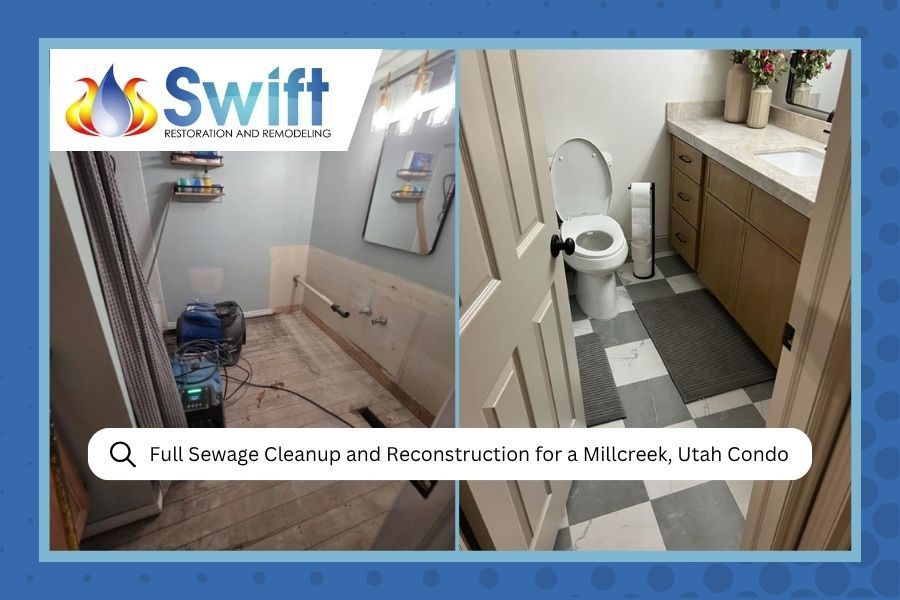
Full Sewage Cleanup and Reconstruction for a Millcreek, Utah Condo
Updated On: September 1, 2026
Author: Darin Jenks
When a Sewage Backup Turned a Millcreek Condo Upside Down
A sewage backup is one of those things you never think will happen to you, until it does. When a Millcreek, Utah condo owner discovered contaminated water spreading through their kitchen, bathroom, and hallway, they needed professional sewage cleanup right away. Our team at Swift Restoration and Remodeling responded quickly, knowing that every hour matters with Category 3 water. Sewage carries bacteria, viruses, and other pathogens that make it one of the most hazardous types of water damage we deal with.
This project required the full scope of our capabilities: emergency mitigation, selective demolition, structural drying, antimicrobial treatment, and a complete rebuild of the affected areas. Here's how we brought this condo back to life.
What Does Sewage Backup Damage Actually Look Like?
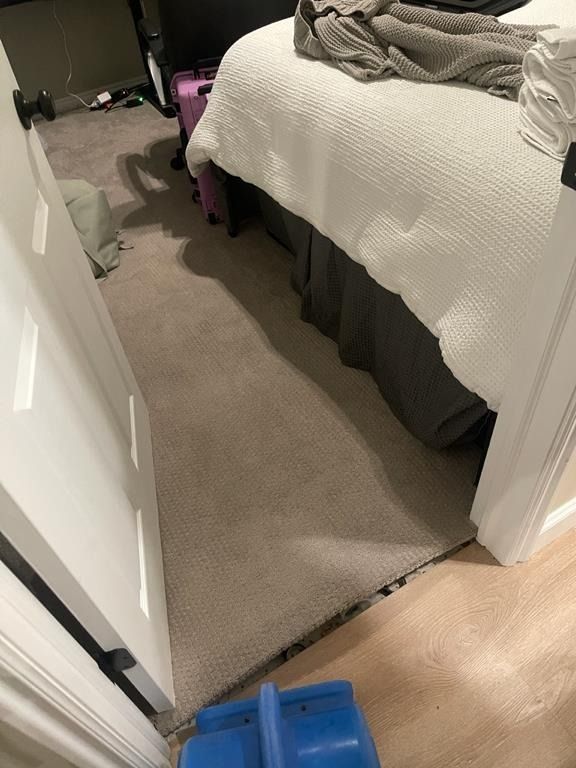
The damage was widespread. Contaminated water had soaked into the kitchen flooring, saturated the bathroom walls and subfloor, and spread down the hallway. Carpet in adjacent areas had absorbed moisture from the backup, creating secondary damage beyond the initial contact zones.
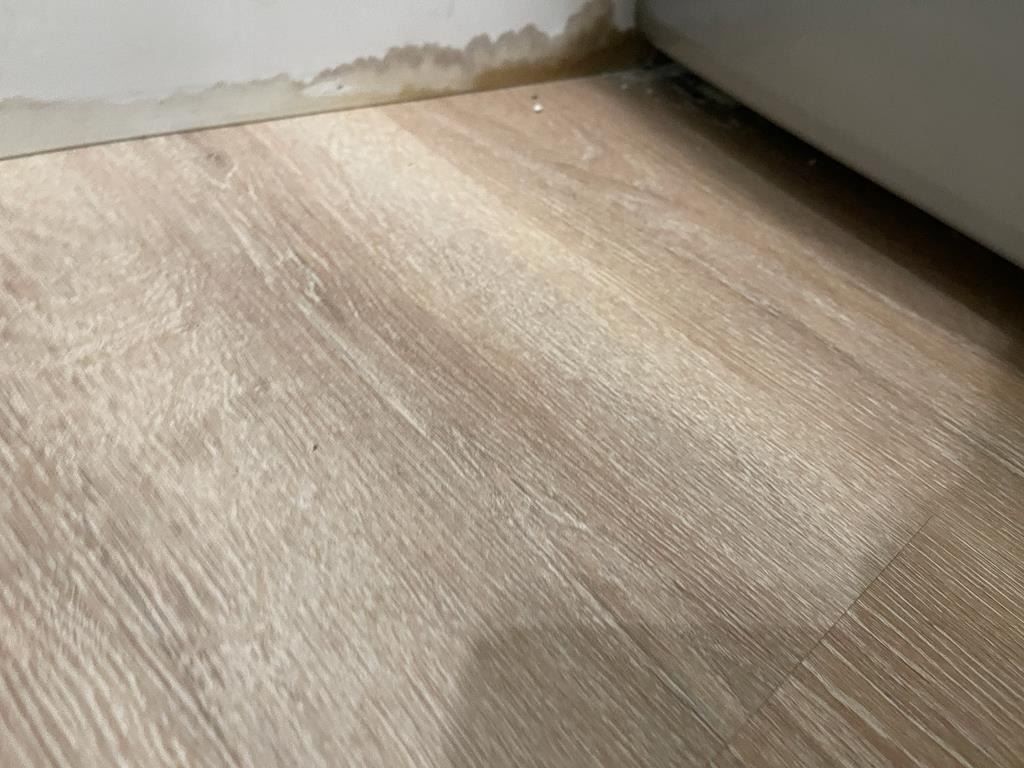
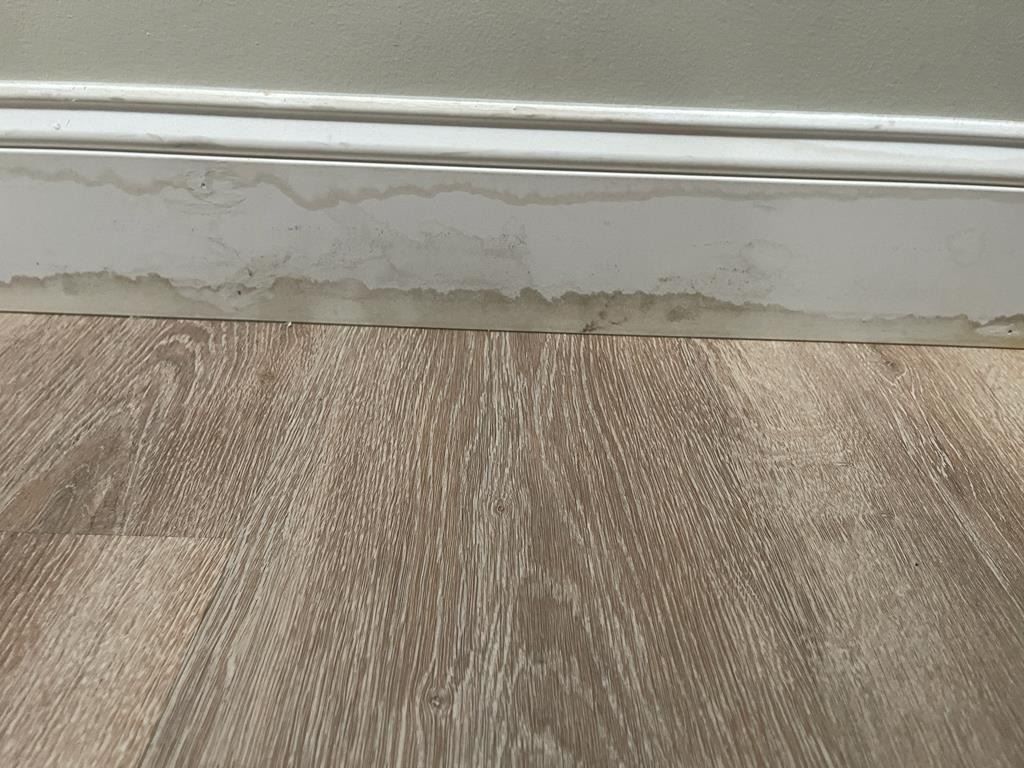
You could see it in the flooring first. Tile was buckling. Subfloor beneath the kitchen showed clear signs of saturation. Near the base of the walls, waterlines told the story of how high the backup had reached. The bathroom took the worst of it, with water pooling around plumbing fixtures and seeping behind the drywall.
Initial sewage backup damage throughout the condo:
 |
 |
 |
How Our Team Tackled the Cleanup and Demolition
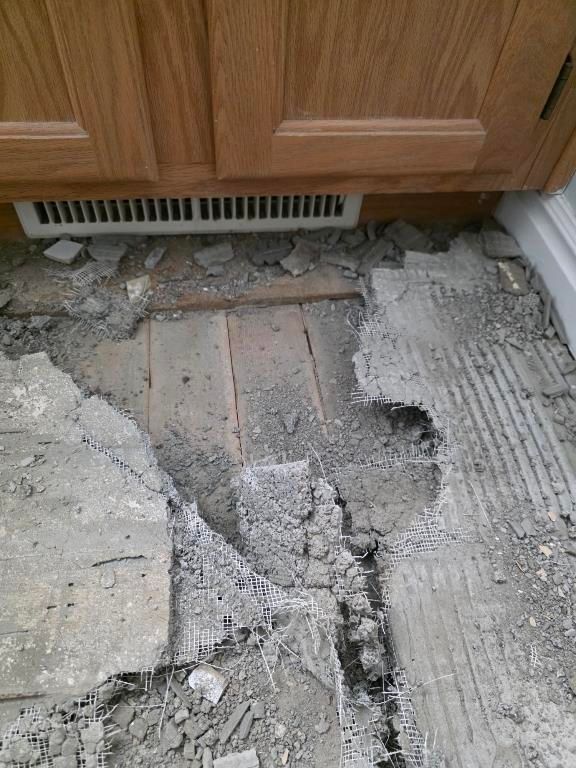
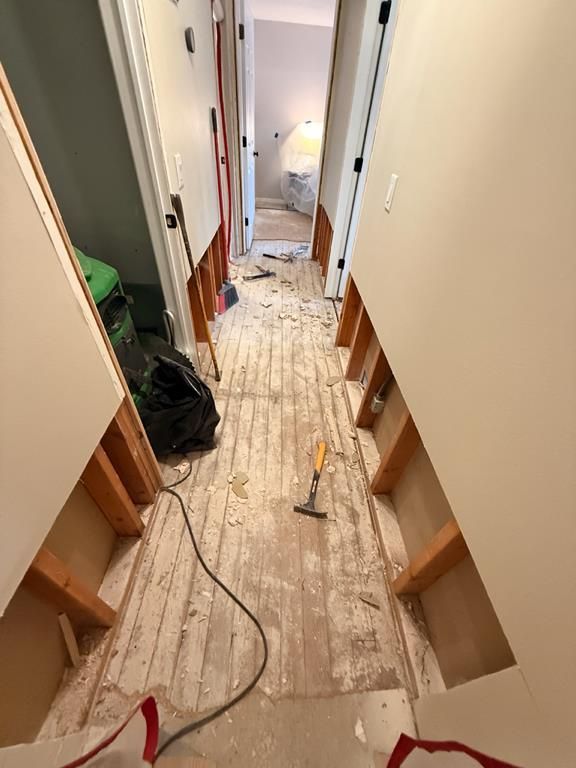
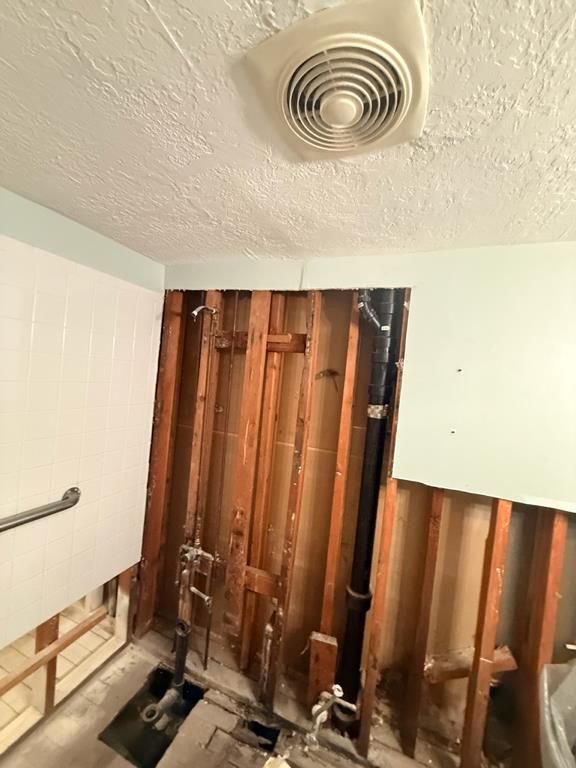
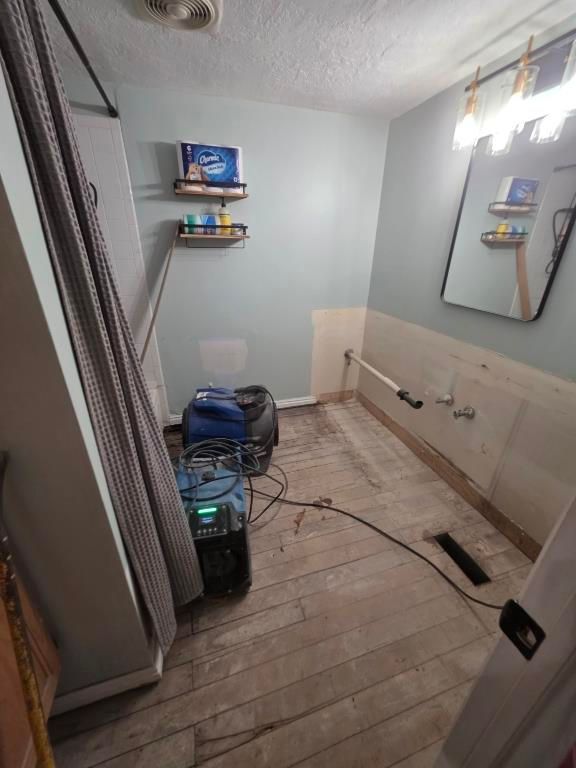
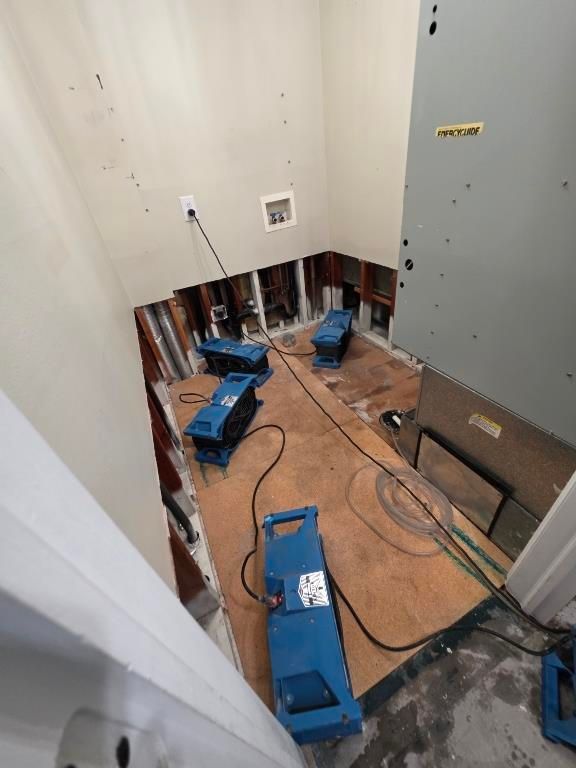
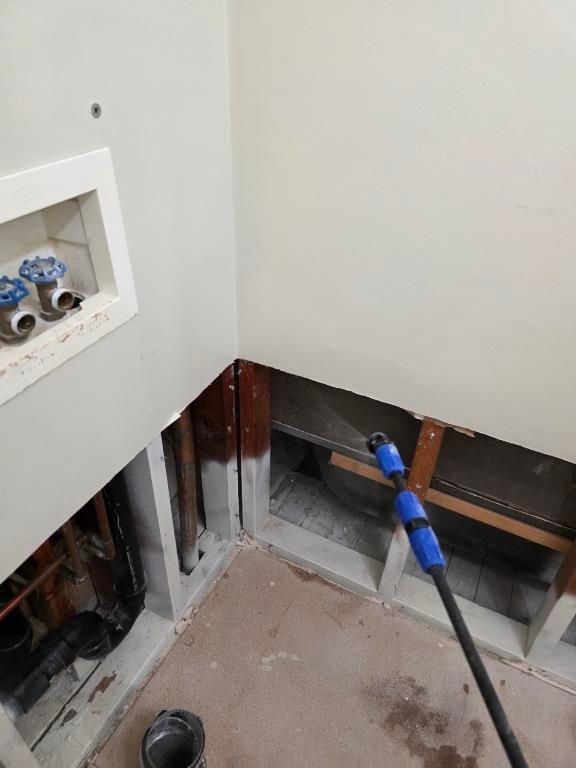
With Category 3 contamination, you can't just dry things out and call it good. Sewage-soaked materials have to go. Our crew began by extracting standing water and then moved straight into demolition. We removed all contaminated flooring in the kitchen, bathroom, and hallway. In the bathroom, we cut out the lower sections of drywall to expose the wall cavities behind the tub and around the plumbing. The hallway got the same treatment, with flood cuts on both sides to open up the framing for proper drying.
According to IICRC restoration standards, porous materials contaminated by Category 3 water should be removed rather than cleaned, because the health risks are too significant. That's exactly the approach we followed here.
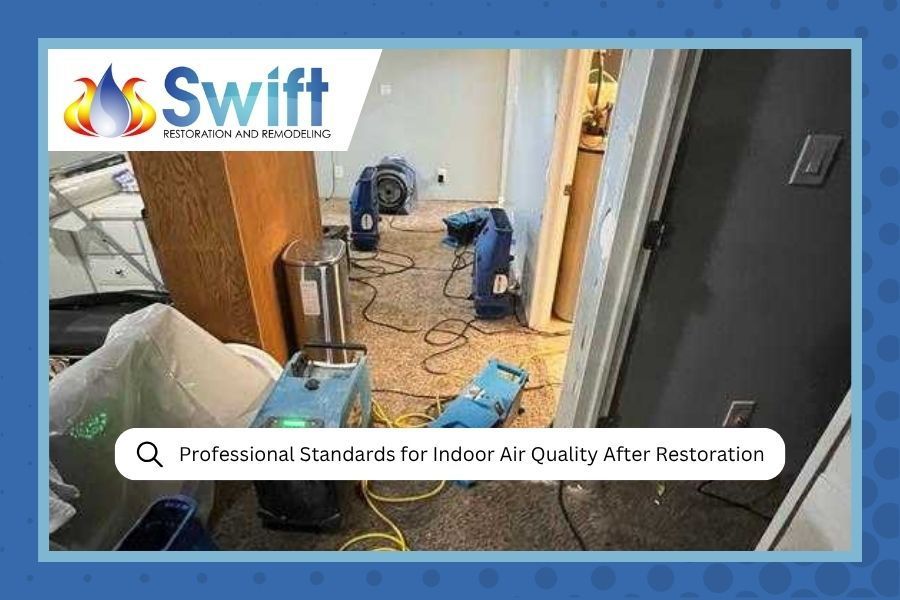
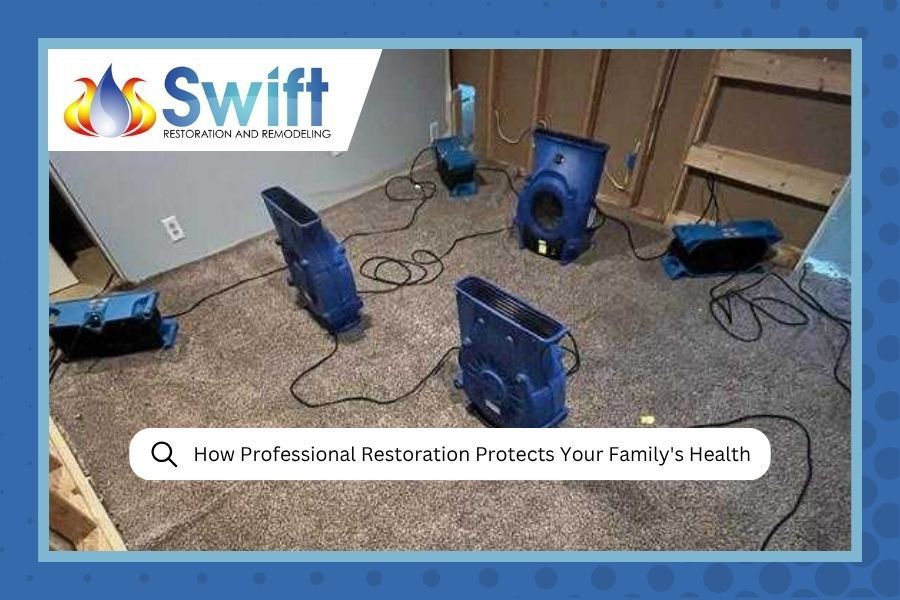
Once the demo was complete, we brought in industrial dehumidifiers and air movers to dry the exposed framing and subfloor. Getting moisture levels back to normal before rebuilding is critical. If you seal wet materials behind new drywall, you're inviting mold growth down the road. We also applied antimicrobial treatment to every affected surface, targeting the bacteria left behind by the sewage. You can read more about the health risks of sewage backups on our blog.
Demolition, structural drying, and antimicrobial treatment:
 |
 |
 |
 |
 |
 |
Rebuilding the Kitchen, Bathroom, and Hallway
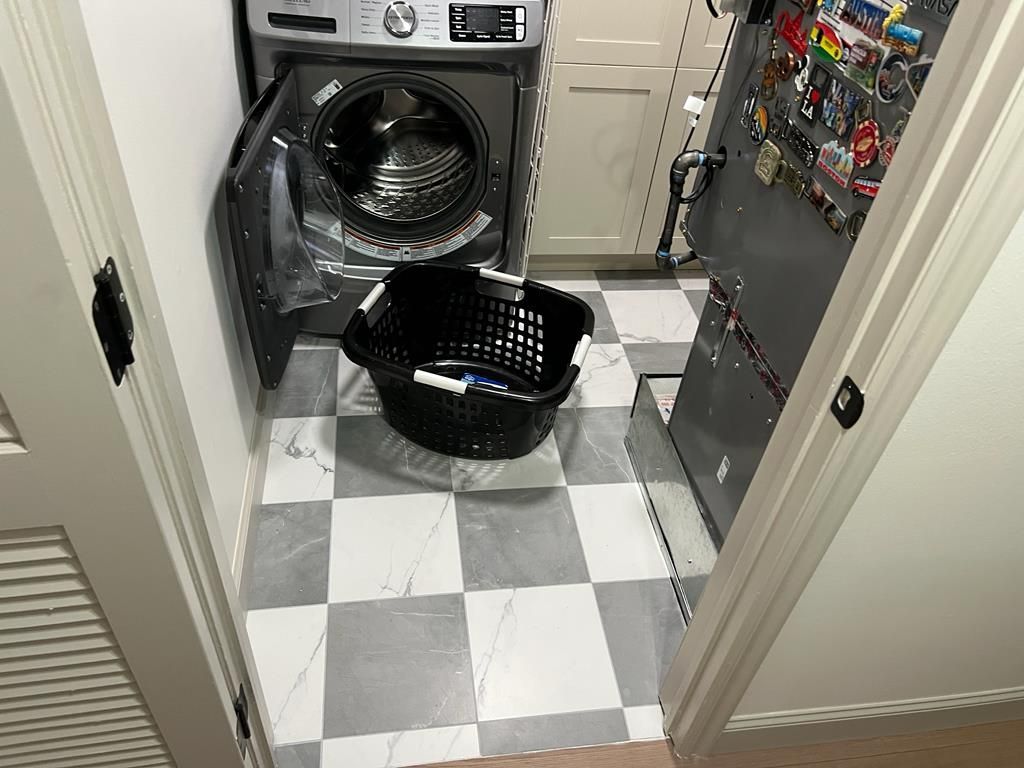
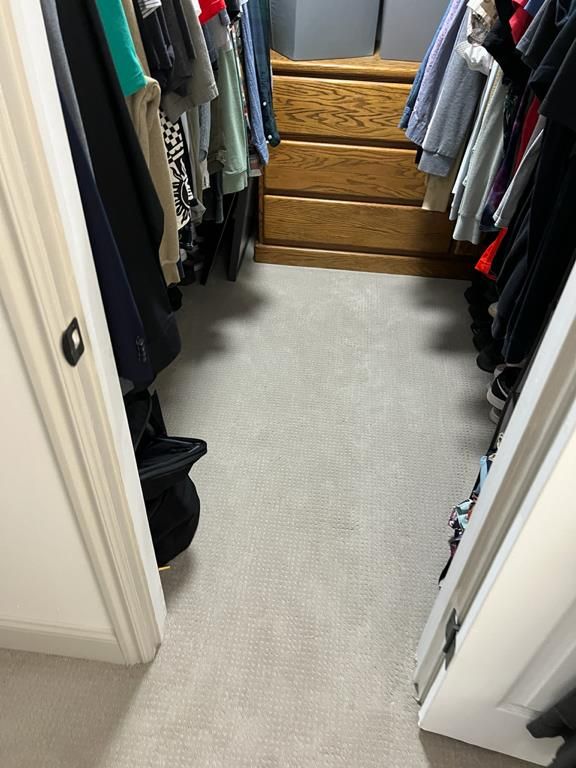
This is where the project turned a corner. After days of drying and treatment, our reconstruction team moved in to start the rebuild. We hung new drywall in the bathroom and hallway, then finished, textured, and painted every surface. The hallway got new flooring and baseboards throughout.
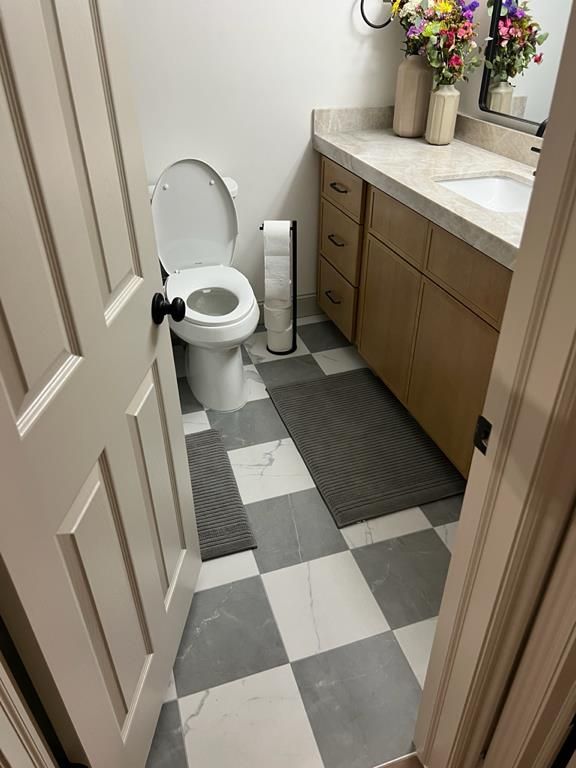
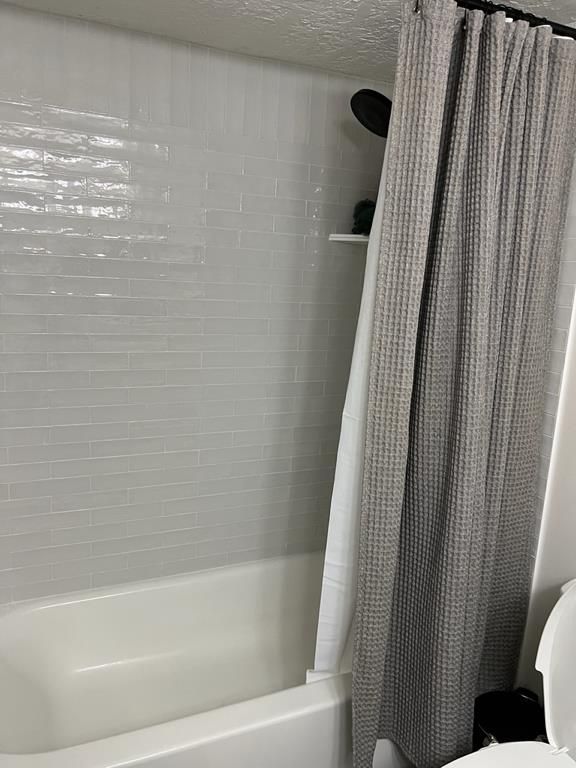
The bathroom received a complete refresh. We installed a new subway tile tub surround, laid gray-and-white checkered tile flooring, and put in a wood-tone vanity with a stone countertop. New matte black fixtures tied everything together. Honestly, it looked better than it did before the backup.
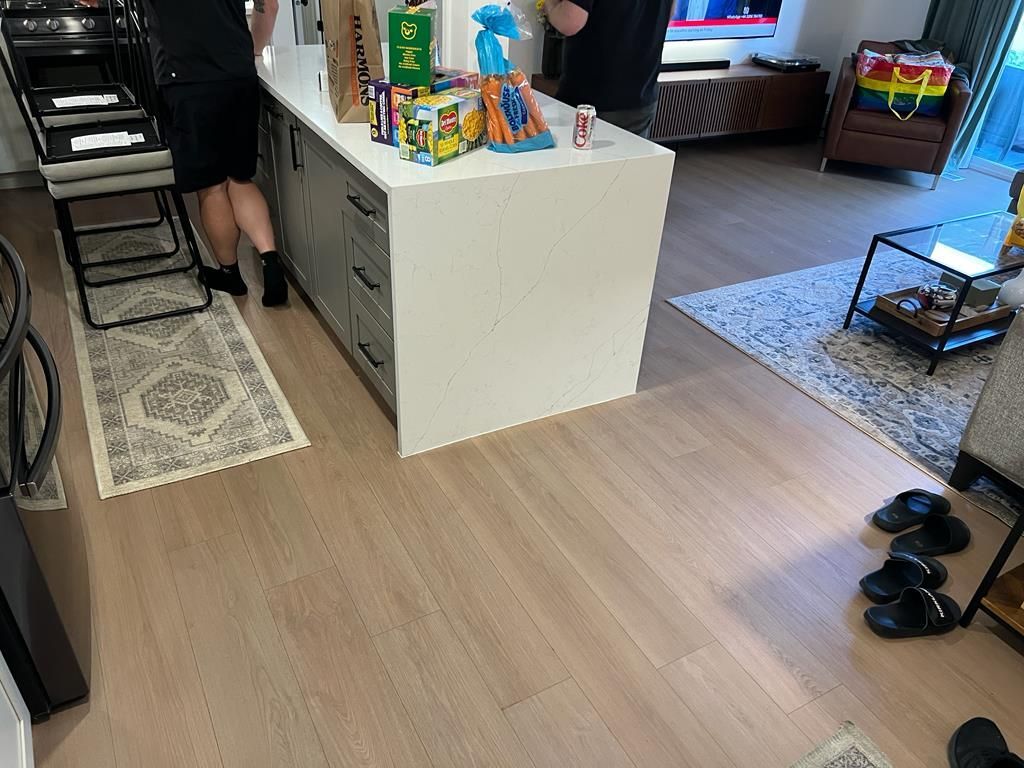
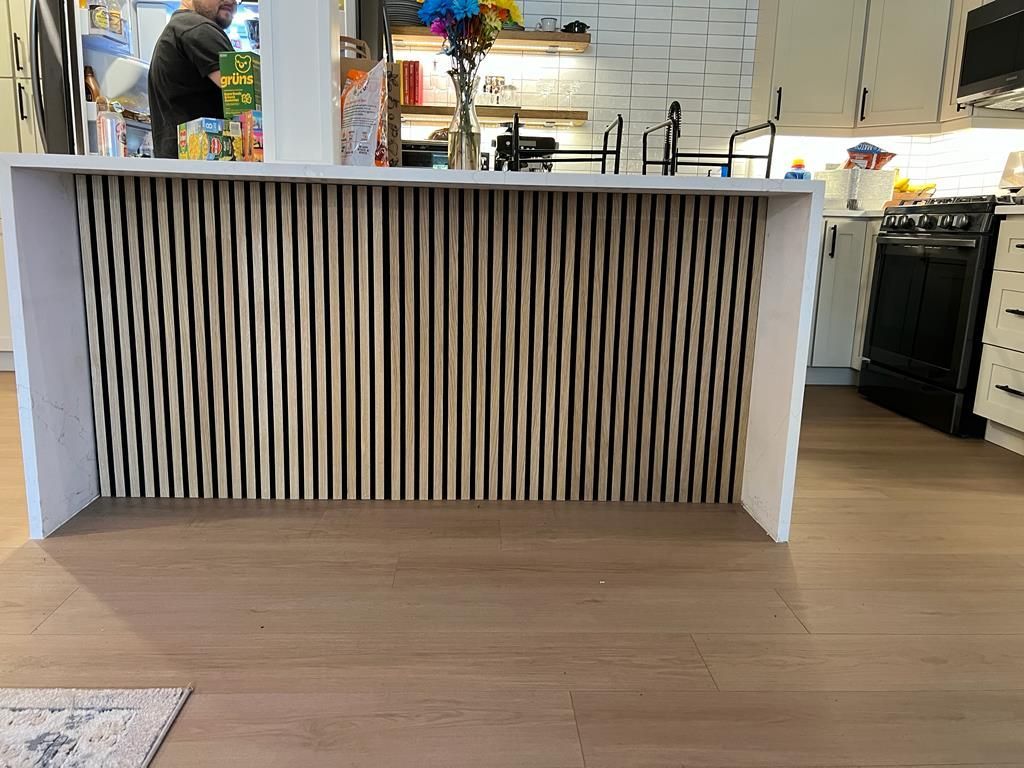
In the kitchen, we installed new flooring and rebuilt the island with a decorative vertical slat panel that gave the space a modern, updated feel. New baseboards and trim went in across every affected room to complete the finished look.
The EPA recommends addressing moisture problems thoroughly before closing up walls, and that patience during the drying phase is what made the final result possible. No shortcuts.
The finished bathroom, fully restored:
 |
 |
 |
Kitchen and additional spaces, good as new:
 |
 |
 |
What Should You Do If You Have a Sewage Backup?
Time is everything. The longer sewage sits, the deeper it penetrates and the more extensive the damage becomes. Here are a few things to keep in mind:
- Don't walk through contaminated water without protective gear. Category 3 water carries serious health hazards.
- Turn off the water supply if you can safely reach the shut-off valve.
- Call a professional who handles sewage-specific restoration, not just general water damage.
- Don't try to save porous materials like carpet, drywall, or particleboard that have been soaked by sewage.
If you've dealt with a similar situation, or you're wondering what your options are, check out our guide on how to prevent mold after water damage and our case study on handling water damage from a ruptured kitchen water line.
Dealing with a Sewage Backup in Northern Utah?
Swift Restoration and Remodeling provides 24/7 emergency water damage restoration and sewage cleanup for homeowners across Ogden, Weber County, Davis County, and the surrounding areas. We handle everything from initial mitigation through final reconstruction, so you only need one call.
Contact Our Team or call (385) 412-8633
Frequently Asked Questions
How long does sewage backup restoration take?
Most sewage restoration projects take between one and three weeks from start to finish. The timeline depends on the size of the affected area, how quickly drying targets are met, and the scope of reconstruction needed. Rushing the drying phase leads to mold problems later, so we never cut that step short.
Does homeowner's insurance cover sewage backup damage?
Standard homeowner's insurance policies often don't cover sewage backups unless you've added a specific endorsement or rider. It's worth checking your policy before an emergency happens. Swift Restoration and Remodeling works directly with insurance companies to help streamline the claims process when coverage does apply.
Is it safe to stay in my home during sewage cleanup?
It depends on the extent of the contamination. If sewage has affected multiple rooms, we typically recommend staying elsewhere during the active mitigation and drying phases. The airborne bacteria and odor from Category 3 water make it uncomfortable and potentially unsafe, especially for children, elderly family members, or anyone with respiratory issues.