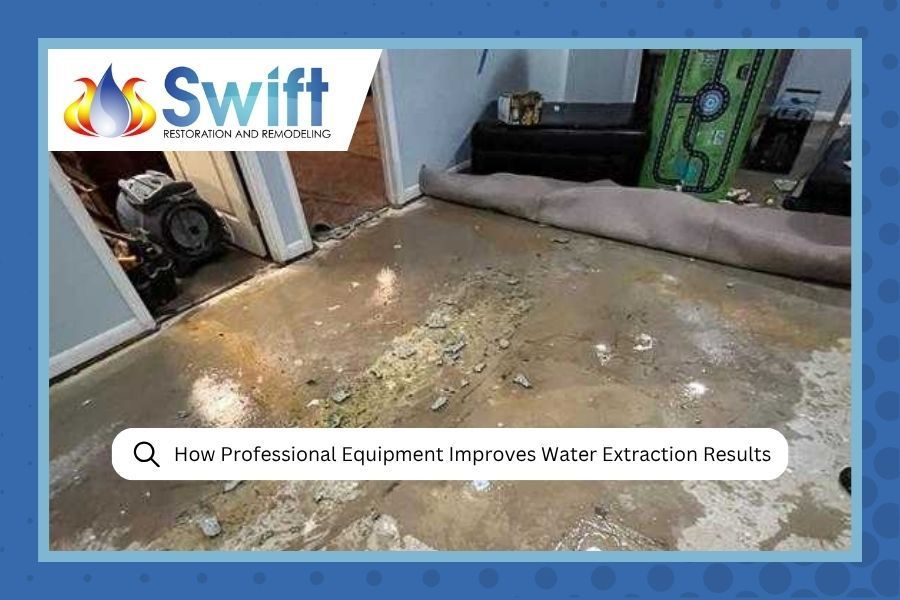
How Professional Equipment Improves Water Extraction Results
Updated On: September 15, 2026
Author: Darin Jenks
Jump To:
When water floods a home, the clock starts ticking immediately. Whether it's a burst pipe in an Ogden basement or a failed appliance in a Layton kitchen, the difference between a manageable cleanup and a major project often comes down to the equipment. Professional water extraction tools pull water faster, dry structures more completely, and catch hidden moisture that consumer machines can't detect.
At Swift Restoration and Remodeling, our IICRC-certified team has seen this play out hundreds of times across Weber County. The right extraction equipment changes everything.
Why Water Extraction Equipment Matters More Than You Think
Most of the damage from a water event doesn't come from the initial flood. It comes from lingering moisture. Water trapped in carpet padding, wall cavities, or under flooring sets the stage for mold, wood rot, and weakened framing. The EPA's mold and moisture guide notes that mold can start growing on damp materials in just 24 to 48 hours.
That's a tight window. A shop vac from the hardware store might pull standing water off the surface, but it won't reach water that's soaked into your subfloor or wicked up behind baseboards. Professional equipment goes deeper, moves faster, and measures what the eye can't see.
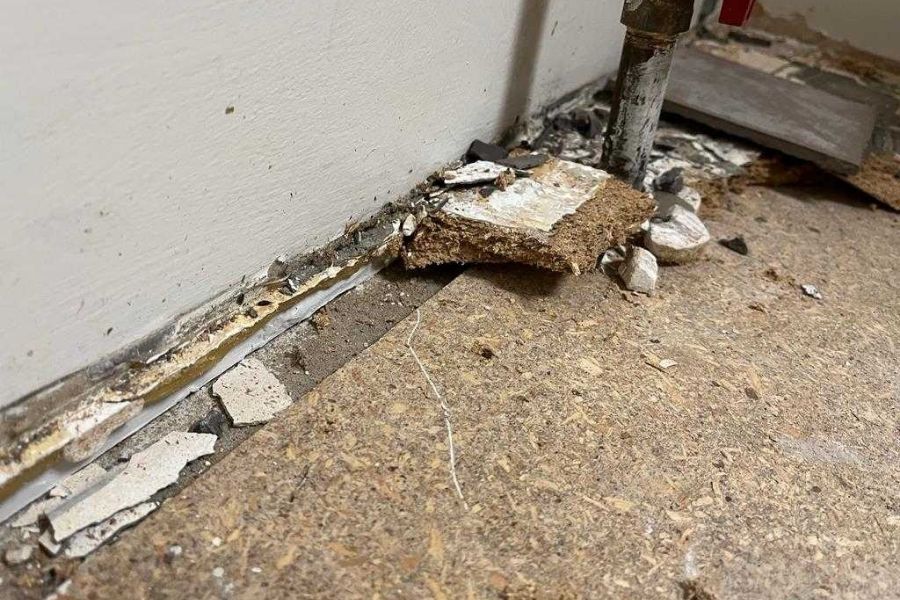
When water soaks into flooring and baseboards, affected materials often need to be removed before proper drying can begin.
Dealing with Water Damage in Your Home?
Don't wait for moisture to cause secondary damage. Our team responds 24/7 across Northern Utah with commercial-grade extraction equipment.
Get Help NowProfessional vs. Consumer-Grade Equipment: What's the Real Difference?
A rental carpet cleaner can handle surface water. That's about where the similarities end. If you're weighing the two options, our comparison of equipment rental vs. professional restoration service covers it in detail.
Here's a quick snapshot of the gap:
| Feature | Consumer-Grade | Professional-Grade |
|---|---|---|
| Suction Power | Low to moderate | Truck-mounted, high-capacity |
| Water Removed per Hour | A few gallons | Hundreds of gallons |
| Moisture Detection | Visual only | Thermal imaging, moisture meters |
| Drying Capability | Box fans, household dehumidifiers | Commercial air movers, LGR dehumidifiers |
| Wall and Subfloor Access | No | Yes, with injectidry systems |
| Insurance Documentation | None | Daily moisture logs and readings |
That last row matters more than people expect. Utah insurance companies often require documented moisture readings before approving a claim. Without those records, homeowners can end up covering costs out of pocket. Our guide on emergency water extraction and insurance coverage in Utah explains the claims process further.
Key Tools Used in Professional Water Extraction
Here's what a professional restoration crew actually brings to the job and why each piece of equipment plays a specific role in getting your home dry.
- Truck-mounted extractors: These units generate far more suction than any portable machine, pulling water from carpets, padding, and hard surfaces in a fraction of the time.
- Submersible pumps: For deep standing water like flooded basements, these pumps remove large volumes fast so detailed extraction work can begin.
- LGR dehumidifiers: These pull far more moisture from the air than home units. They keep working well even as the air gets drier.
- Commercial air movers: High-speed fans aimed at specific angles to speed up drying on wet surfaces.
- Injectidry systems: These push warm, dry air into wall cavities and under cabinets without tearing anything out.
- Thermal cameras and moisture meters: These map hidden wet spots so the crew knows exactly where to focus.
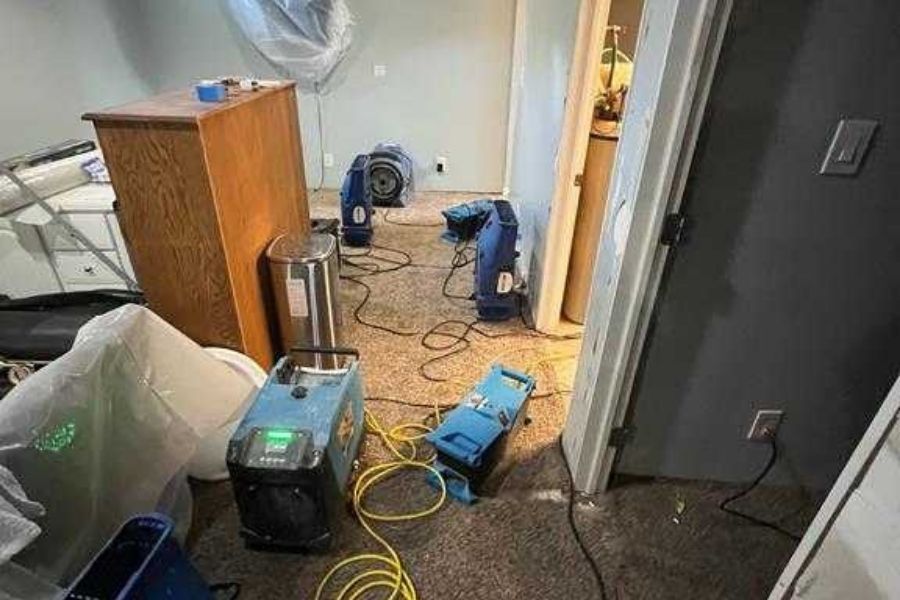
Commercial air movers and dehumidifiers working together during an active water damage mitigation project.
By the Numbers: Professional vs. DIY Water Extraction
| 2-3 Days Professional drying time |
24-48 Hrs Mold growth begins |
95%+ Moisture removed by commercial extractors |
Detecting Hidden Moisture Most Homeowners Miss
This is where professional equipment earns its keep. A floor can look dry, feel dry, and still hold dangerous moisture underneath. Water travels along framing and wicks up inside wall cavities. You won't see it. You might not smell it for weeks.
Thermal cameras spot temperature differences that point to trapped moisture you can't see. Moisture meters give exact readings so techs can track drying progress day by day. Without these tools, you're guessing. Guessing doesn't work when mold can start growing within 48 hours.
Professional leak detection services use similar technology to find the source of water intrusion before extraction begins. Pulling water out without finding where it's coming in just means you'll be doing it again next week.
When Should You Call a Professional for Water Extraction?
Not every water event requires a full crew. A small spill cleaned up within minutes is probably fine. But once water has soaked into porous materials or spread beyond one room, professional extraction is the smart move. Here's a quick checklist:
- Water has reached carpet, padding, or hardwood flooring
- More than one room is affected
- Water came from a contaminated source (sewage, appliance, or outdoor flooding)
- You see or smell moisture signs in walls or ceilings
- The water sat for an unknown period while you were away
- You plan to file an insurance claim
If any of those apply, professional equipment will get better results than rental machines. Homeowners across Ogden, Farmington, Kaysville, Bountiful, and the broader Northern Utah service area trust our team at Swift Restoration and Remodeling because we bring the right tools and follow IICRC restoration standards on every project. If you're curious about the full water damage restoration timeline in Weber County, we've mapped it out based on real local work.
Trust the Right Equipment for Water Extraction Results
Professional water extraction equipment isn't just bigger than what you'd find at a rental shop. It's fundamentally different: deeper extraction, faster drying, precise moisture mapping, and documented results that protect your home and your insurance claim. When water hits your property, the tools used in the first 24 hours shape everything that follows.
Our team at Swift Restoration and Remodeling has the equipment, training, and 15+ years of local experience to do it right. Contact us for a free estimate. Sometimes a full reconstruction project could have been avoided with the right response on day one.
Frequently Asked Questions About Water Extraction Equipment
Can I use a shop vac for water extraction instead of hiring a pro?
A shop vac handles surface water from small spills. But it can't pull moisture from carpet padding, subfloors, or wall cavities. For anything bigger than a minor puddle, pro equipment removes much more water and dries things faster.
How do pros know when a home is fully dry?
They use moisture meters and thermal cameras to take readings every day. They check those numbers against dry standards for each type of material. The home isn't cleared until all readings show normal moisture levels.
What is an injectidry system and when is it needed?
It pushes warm, dry air into tight spaces like wall cavities and under cabinets. It's used when moisture is stuck in areas that air movers can't reach. This allows targeted drying without tearing out walls or floors.
Does my Utah insurance company need pro water extraction records?
Most Utah insurers want moisture readings and drying logs before they approve a claim. Pro restoration companies keep these records as part of the job. Without that paperwork, claims can be delayed or denied.