Emergency Water Shut-Off Locations Every Ogden Homeowner Should Know
Updated On: November 18, 2025
Author: Darin Jenks
Quick Navigation
- → Why Knowing Your Water Shut-Off Locations Matters
- → Your Home's Main Water Shut-Off Valve
- → Individual Fixture Shut-Off Valves
- → The Curb Stop: Your Property's External Shut-Off
- → Emergency Water Shut-Off Quick Reference Checklist
- → What to Do After You've Shut Off the Water
- → When to Call Swift Restoration
- → Seasonal Considerations for Ogden Homes
- → Frequently Asked Questions
Here's a question that might make you squirm a little: if a pipe burst in your home right now, would you know exactly where to run to shut off the water? If you hesitated even for a second, you're not alone. Most Ogden homeowners have a vague idea where their main water shut-off valve might be hiding, but when water damage restoration Ogden UT becomes necessary, every second counts. The difference between a minor cleanup and thousands of dollars in damage often comes down to how quickly you can stop the flow.
At Swift Restoration and Remodeling, we've seen too many emergency calls that could have been less devastating if homeowners knew their shut-off locations beforehand. We're talking about the difference between mopping up a puddle and replacing drywall, flooring, and furniture. So let's walk through the critical water shut-off locations every Ogden area home has, where to find them, and how to use them when you need them most.
Why Knowing Your Water Shut-Off Locations Matters in Ogden
Northern Utah homes face unique challenges when it comes to plumbing. Our freeze-thaw cycles, aging infrastructure in older Ogden neighborhoods, and hard water conditions all contribute to plumbing vulnerabilities. Whether it's a frozen pipe that bursts in winter, a water heater that fails, or a washing machine hose that gives out, water emergencies don't wait for convenient moments.
The average burst pipe can spew 400 gallons of water per hour. That's not a typo. In the time it takes you to search online for where your shut-off valve is located, significant damage can occur. According to the EPA's WaterSense program, household leaks waste nearly 1 trillion gallons annually nationwide, and knowing your shut-off locations is the first step in emergency preparedness. Knowing these locations ahead of time transforms a potential disaster into a manageable situation.
Water Damage Timeline: Every Minute Counts
Water spreads rapidly across flooring. Carpets, rugs, and wood floors begin absorbing moisture.
Water seeps into baseboards and drywall. Furniture starts absorbing water. Electronics at risk if water reaches them.
Drywall begins swelling. Wood flooring starts warping. Subflooring may begin to absorb water.
Structural damage begins. Mold can start growing within 24-48 hours. Restoration costs increase exponentially.
Bottom Line: Shutting off water within the first 5 minutes can save thousands in damage.
Understanding how quickly water damage escalates helps emphasize why knowing your shut-off valve locations isn't optional.
Your Home's Main Water Shut-Off Valve
This is the big one. Your main water shut-off valve controls all the water coming into your home. When you shut this valve, you stop water flow to every fixture, appliance, and faucet in the house. In a true emergency, this is your first line of defense.
Where to Find Your Main Shut-Off Valve
In most Ogden homes, you'll find the main shut-off valve in one of these locations:
Inside Your Home
Basement or Crawl Space: Look along the foundation wall facing the street. The valve is typically 3 to 5 feet from where the water line enters your home. In finished basements, check utility rooms or behind access panels.
Utility Room or Mechanical Room: Often located near your water heater or furnace, especially in homes without basements.
Garage: Some newer constructions place the main shut-off in an easily accessible garage location.
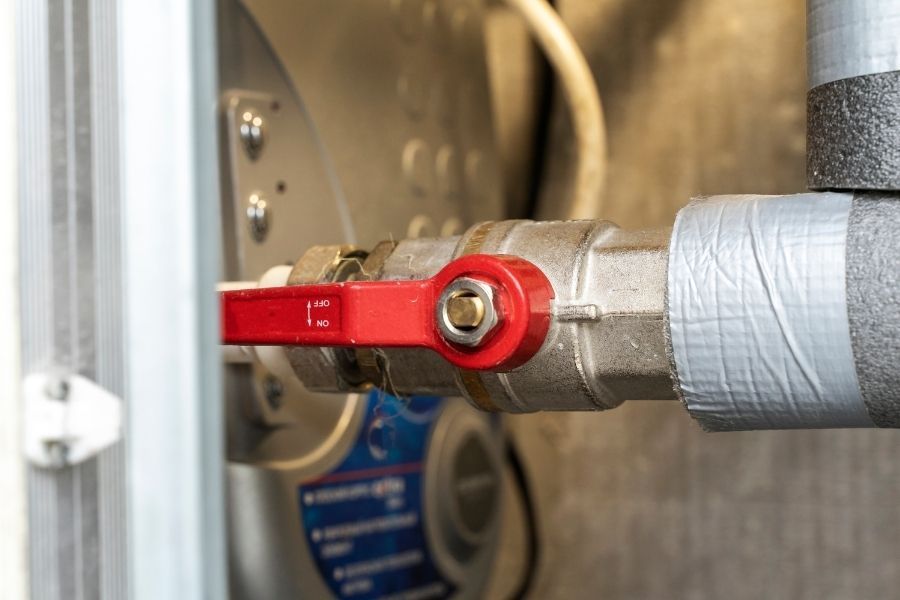
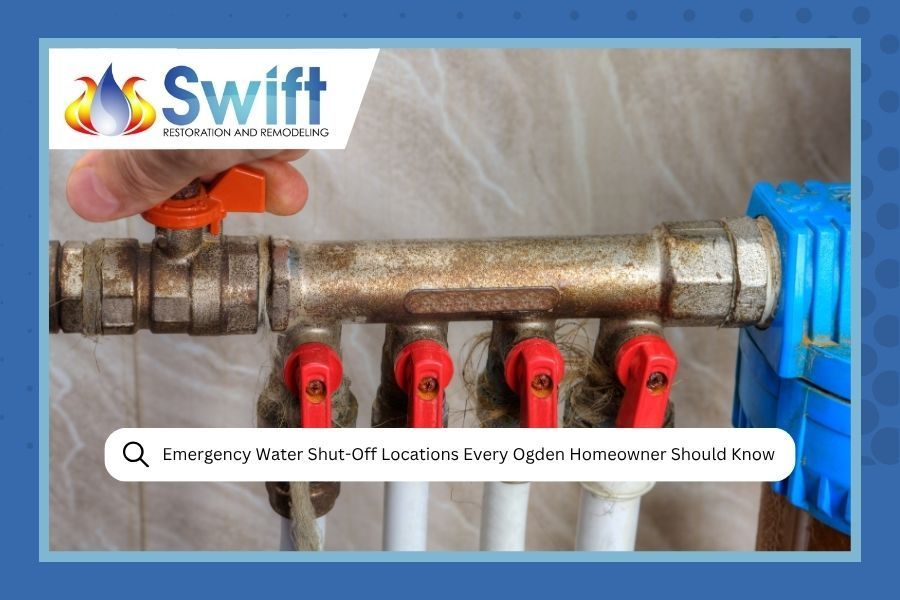
A typical main water shut-off valve found in a plumbing cabinet. Knowing exactly where yours is located can save you valuable minutes during an emergency.
Can't locate your main shut-off valve or concerned about your home's plumbing vulnerabilities?
Schedule a Professional Leak Detection InspectionHow to Operate Your Main Shut-Off Valve
Main shut-off valves come in two primary types, and knowing which you have matters when seconds count:
Gate Valve: Looks like a round wheel or handle. Turn it clockwise (righty-tighty) until it stops. These older-style valves may require several full rotations to close completely. Don't force it if it feels stuck, as you might break it and make the situation worse.
Ball Valve: Has a lever handle. When the handle is parallel to the pipe, water flows. Turn it a quarter turn (90 degrees) perpendicular to the pipe to shut off water. These are more common in newer homes and are faster to operate.
| Feature | Gate Valve | Ball Valve |
|---|---|---|
| Appearance | Round wheel handle | Lever handle |
| How to Close | Multiple full turns clockwise | Quarter turn (90 degrees) |
| Speed | Slower (5-10 seconds) | Fast (1-2 seconds) |
| Common In | Older homes (pre-1990s) | Newer homes (1990s+) |
| Reliability | Can seize over time | More reliable long-term |
| Visual When Closed | Cannot tell by looking | Handle perpendicular to pipe |
Knowing which type of valve you have helps you act faster in an emergency when every second matters.
Individual Fixture Shut-Off Valves
While your main valve shuts off all water, individual fixture valves let you isolate problems to specific areas. This means you can fix or replace a toilet without shutting off water to your entire house. These smaller valves are your second line of defense and can prevent common causes of water damage from spreading.
Toilet Shut-Off Valves
Located on the wall or floor behind your toilet, typically on the left side. This small valve connects the water supply line to your toilet tank. Toilet leaks and overflows are among the most common household water emergencies, especially when the fill valve fails or the flapper doesn't seal properly.
Sink Shut-Off Valves
Check inside the cabinet under any sink in your home. You'll typically find two small valves: one for hot water (usually on the left) and one for cold (usually on the right). These oval-shaped handles turn clockwise to close. Kitchen sink supply lines are notorious for developing leaks, especially under the kitchen sink where garbage disposals and dishwasher connections create additional stress points.
Washing Machine Shut-Off Valves
Behind or beside your washing machine, you'll find two valves: hot and cold. Many people leave these open permanently, but it's actually smarter to turn them off when the washer isn't in use. Washing machine supply hoses are under constant pressure and can fail suddenly, causing water damage from appliance leaks that can flood an entire floor.
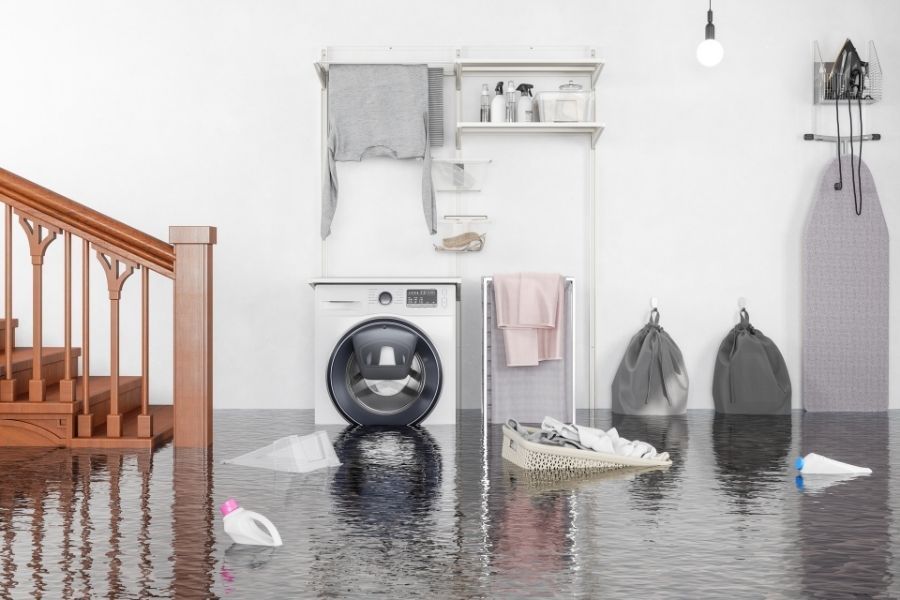
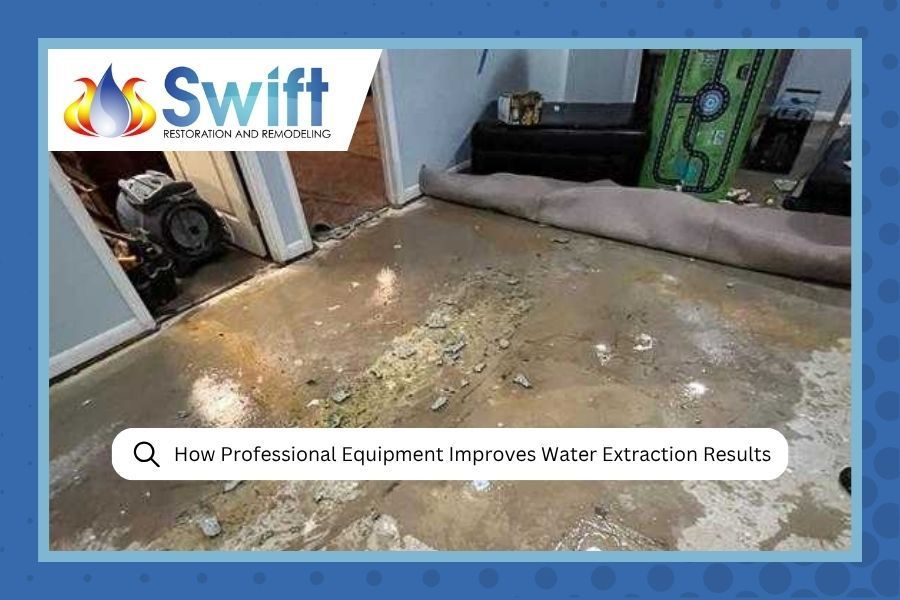
Water damage from a washing machine supply line failure. This type of flooding could have been prevented or minimized by quickly shutting off the washing machine valves.
Water Heater Shut-Off Valve
Located on the cold water pipe entering the top of your water heater. This valve is essential if your water heater starts leaking or needs maintenance. Remember, if you shut off water to your water heater, also turn off the power (for electric) or gas supply (for gas) to prevent damage to the unit.
Outdoor Hose Bibs (Exterior Faucets)
Most Ogden homes have shut-off valves for outdoor faucets located inside the home, often in the basement or crawl space near where the hose bib exits the house. These valves should absolutely be shut off before winter to prevent frozen pipes. We can't tell you how many burst pipe emergencies we respond to each winter from forgotten outdoor faucet connections.
Need Emergency Water Damage Help?
Our team responds 24/7 to water emergencies throughout Weber County. Don't wait for damage to spread.
Fill Out This Form for a Free EstimateAvailable 24/7 • Free Estimates • Direct Insurance Billing
The Curb Stop: Your Property's External Shut-Off
Beyond your home's interior valves, there's one more shut-off location you should know about: the curb stop or meter valve. This valve is typically located in your front yard between the street and your house, often in a concrete box at ground level or in a meter pit.
Here's the thing: this valve usually requires a special tool called a curb key (or water key) to operate, and in most cases, you'll need to call your local water utility to shut it off. However, knowing its location is still valuable, especially if your main interior valve fails or you can't access it.
In Ogden, your property's water meter and curb stop are typically located:
- In a concrete box in your front yard, usually along the property line
- Near the sidewalk or curb
- Sometimes in a basement meter room in older homes
If you can't locate your curb stop, contact Ogden City's Water Utility Department at (801) 629-8271. They can tell you exactly where it's located and, in an emergency, send someone to shut it off.
Emergency Water Shut-Off Quick Reference Checklist
Print This List and Keep It Handy
- ✓ Main shut-off valve location:_________________ (Fill in your specific location)
- ✓ Type of main valve: ☐ Gate valve (wheel) ☐ Ball valve (lever)
- ✓ Water heater shut-off:_________________ (Location)
- ✓ Washing machine valves: ☐ Located ☐ Marked
- ✓ Outdoor faucet shut-offs: ☐ Located ☐ Winterized
- ✓ Curb stop location:_________________
- ✓ Water utility emergency number:(801) 629-8271
- ✓ Swift Restoration 24/7 emergency:(385) 412-8633
Take 15 minutes this weekend to fill out this checklist and share it with everyone in your household.
What to Do After You've Shut Off the Water
You've found the leak, you've shut off the water. Now what? Here's where understanding what to do first after discovering water damage becomes critical.
First, stay calm. You've already done the most important thing by stopping the water flow. Take a breath.
Second, assess the damage. Look for standing water, soaked materials, and potential electrical hazards. If water is near electrical outlets or appliances, shut off power to those areas at your breaker box.
Third, start documenting. Take photos and videos of the damage for insurance purposes. This documentation is crucial for emergency water extraction insurance claims.
Fourth, begin water removal. If it's safe to do so, start removing standing water with mops, towels, or a wet-dry vacuum. Move furniture and belongings to dry areas. The faster you can remove water, the less damage occurs.
Finally, call for help. Even if the immediate crisis seems under control, water damage often extends beyond what's visible. Hidden moisture in walls, under flooring, or in ceiling cavities can lead to mold growth and structural problems if not properly addressed with professional water damage assessment.
When to Call Swift Restoration and Remodeling
Some water situations are clearly DIY territory: a small sink overflow you caught immediately, for example. But many scenarios require professional intervention, and waiting too long can turn a manageable situation into a major renovation project.
Call us immediately if you experience:
- Any amount of flooding that covers flooring
- Water that's been present for more than 24 hours
- Water from contaminated sources like sewage or outdoor flooding
- Water that's reached drywall, insulation, or wood framing
- Any uncertainty about the extent of damage
Our team at Swift Restoration and Remodeling provides 24/7 emergency response throughout Weber County. We understand that water emergencies don't wait for business hours, and neither do we. Our technicians arrive equipped with industrial water extraction equipment, moisture detection tools, and the expertise to assess exactly what needs to be done to prevent long-term damage.
Seasonal Considerations for Ogden Homes
Living in Northern Utah means dealing with dramatic seasonal changes that affect your plumbing. Each season brings its own risks:
Winter: Frozen pipes are our number one winter emergency call. Know where your shut-off valves are before temperatures drop, because frozen pipes can burst suddenly when they thaw. Pay special attention to pipes in exterior walls, unheated garages, and crawl spaces.
Spring: Spring runoff and increased precipitation can lead to basement flooding and foundation leaks. Your sump pump becomes critical, and knowing how to quickly shut off water if it backs up through drains is important.
Summer: Increased water usage for landscaping can reveal weaknesses in outdoor plumbing. Plus, water heaters often fail in summer due to increased demand.
Fall: This is your preparation season. Test all your shut-off valves, winterize outdoor faucets, and inspect supply lines before winter hits. An ounce of prevention in October beats a pound of cure in January.
| Season | Key Risks | Maintenance Actions |
|---|---|---|
| Winter | Frozen pipes, burst supply lines | Confirm outdoor faucets shut off; know main valve location; keep cabinet doors open during freezes |
| Spring | Basement flooding, sump pump failure | Test sump pump; check foundation for cracks; test main shut-off valve |
| Summer | Water heater failure, outdoor leaks | Inspect hose connections; check water heater for signs of wear; test fixture valves |
| Fall | Preparation for winter conditions | Winterize outdoor faucets; test all valves; inspect supply lines; schedule maintenance |
Each season requires different attention to your home's water systems to prevent emergencies before they happen.
Questions About Your Home's Water Systems or Existing Damage?
Our local team serves Ogden, Layton, Farmington, Kaysville, and surrounding areas with 24/7 emergency response and free damage assessments.
Reach Out to Our Team Through This Online FormFree Estimates • 3-5 Year Guarantee • Direct Insurance Billing
Frequently Asked Questions About Water Shut-Off Valves
Test your main shut-off valve at least once a year, ideally in spring or fall when temperatures are moderate. Turn it completely off, then back on. If it feels stuck, leaks when turned, or won't close completely, call a plumber to replace it before you face an emergency. Valves that sit unused for years can corrode and fail exactly when you need them most. Many Ogden homeowners test theirs when they winterize outdoor faucets as an easy reminder.
Some water will continue to drain from pipes after shutting off the valve, which is normal. However, if water continues flowing steadily after a few minutes, your shut-off valve may be faulty or not fully closed. Try turning it further (for gate valves) or confirming it's perpendicular to the pipe (for ball valves). If water still flows, you'll need to shut off water at the curb stop or meter, which usually requires calling your local water utility or a plumber. Keep buckets, towels, and a wet-dry vacuum handy to manage water while you wait for help.
Usually yes, but it depends on your home's plumbing configuration. Each toilet and sink should have individual shut-off valves that allow you to isolate those specific fixtures. However, showers and tubs often don't have accessible shut-off valves without cutting into walls. If you need to work on a shower or tub, you may need to shut off the main water supply or, in some homes with multiple bathrooms, there might be a dedicated shut-off for that bathroom's zone. Newer homes and remodels often include more accessible shut-off valves specifically to avoid whole-house water shutdowns for repairs.
Never force a stuck shut-off valve. Old valves, especially gate valves common in older Ogden homes, can break if forced, potentially leaving you unable to shut off water at all and possibly causing the valve itself to leak. If your valve feels stuck or extremely difficult to turn during your annual test, have a plumber replace it proactively. This is a relatively inexpensive maintenance job that could save you thousands in emergency damage. It's far better to replace a questionable valve on your schedule than to discover it doesn't work during a midnight pipe burst.
Take Action Today
Don't wait for an emergency to learn where your water shut-off valves are located. This weekend, take 15 minutes to locate each valve in your home. Take photos, label them if needed, and share the information with everyone in your household. Consider printing our quick reference checklist and posting it near your main shut-off valve or on your refrigerator.
Test your main shut-off valve to confirm it works smoothly. If it doesn't, schedule a plumber to replace it. And if you're dealing with any ongoing plumbing issues, leaks, or suspicious water damage, don't put off addressing them. Small problems become big ones, especially in the freeze-thaw cycles we experience here in Northern Utah.
At Swift Restoration and Remodeling, we're here to help Weber County homeowners protect their properties from water damage. Whether you need emergency response right now or want to schedule a property assessment to identify potential vulnerabilities, our team brings over 13 years of restoration experience to every job.
Water emergencies happen when you least expect them, but knowing your shut-off valve locations means you're never unprepared. Share this guide with your neighbors and family members because the more Ogden homeowners who know how to respond quickly, the fewer devastating water damage situations we'll see in our community.