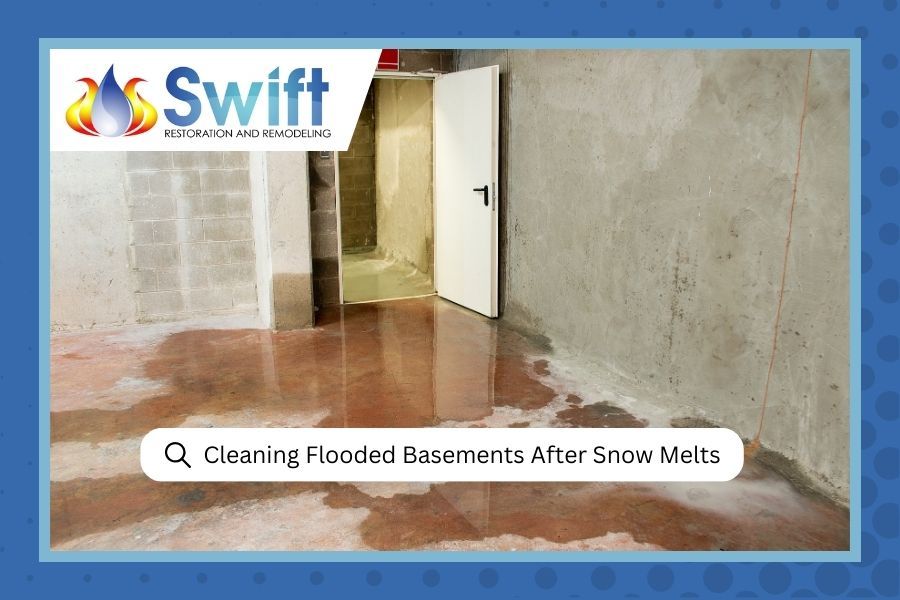
Cleaning flooded basements after snow melts
Updated On: February 6, 2026
Author: Darin Jenks
Jump To:
Northern Utah homeowners know winter well. Snow accumulates, temperatures drop, and we bundle up for months of cold weather. But there's something many property owners don't think about until it's too late: where does all that snow go when it melts?
Spring thaw brings relief from winter's chill. It also brings serious flooding risk. At Swift Restoration and Remodeling, our water damage restoration team has responded to hundreds of flooded basements across Weber County during spring runoff season. Most of this damage could have been prevented with the right preparation.
Why Snow Near Your Foundation Causes Basement Flooding
Snow doesn't just disappear. It melts. As temperatures rise, that frozen water becomes liquid and needs somewhere to go.
Your foundation is designed to shed rain through gutters and drainage systems. Snow melt is different. It happens slowly over days or weeks, continuously saturating the ground around your home's foundation. This creates constant pressure against basement walls and finds every tiny crack or gap to seep through.
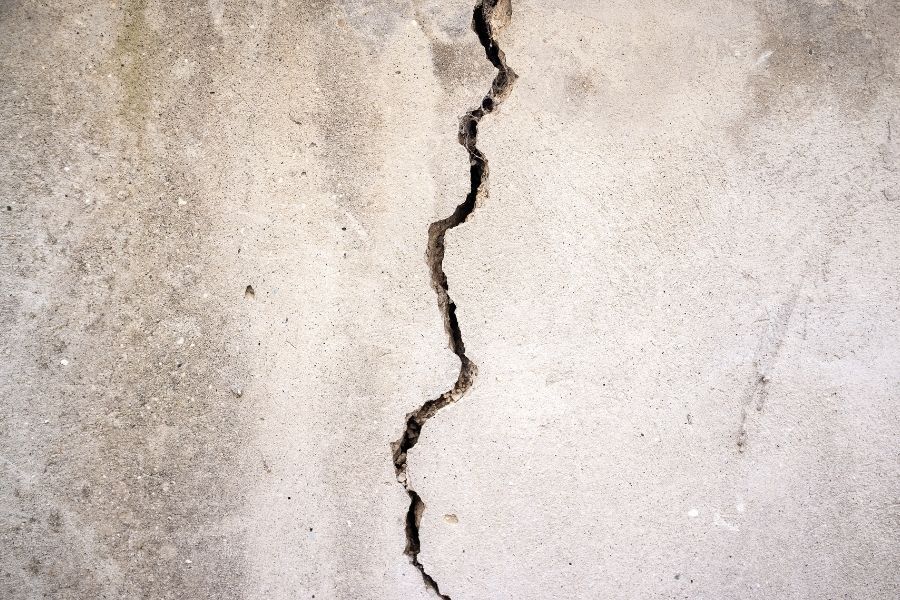
Even small foundation cracks become major water entry points during spring snow melt.
Weber County's seasonal weather patterns make this especially problematic. We see rapid temperature swings in March and April. A warm day melts snow quickly. A cold night refreezes it. This cycle creates ice dams, shifts soil, and puts tremendous stress on foundations.
The Science Behind Snow Melt Flooding
Understanding why snow melt causes flooding helps you prevent it. Here's what happens:
- Volume expansion: One foot of snow contains roughly one to two inches of water. A 2,000 square foot roof with two feet of snow holds 2,000 to 4,000 gallons of water waiting to drain.
- Frozen ground: Winter frost penetrates soil several feet deep. When spring arrives, the surface thaws but deeper layers stay frozen. This creates an impermeable barrier, preventing water from draining properly and forcing it sideways into foundations.
- Gutter overload: According to the National Weather Service, standard gutters handle rainfall but struggle with continuous snow melt combined with ice dams.
- Crack infiltration: Foundation concrete develops hairline cracks over time. Water finds these paths and expands them through freeze-thaw cycles.
Clear Snow Away From Foundations Immediately
Don't wait for nature to handle snow removal. Take action.
Remove snow buildup within three feet of your foundation on all sides. This creates a buffer zone that gives meltwater time to drain properly rather than pooling against basement walls. Pay special attention to areas where roof lines deposit snow during winter storms.
When clearing driveways and walkways, never pile snow against your home. Many homeowners unknowingly create flooding problems by shoveling snow directly against foundation walls. Instead, move it at least five feet away from the building or onto your lawn where it can slowly infiltrate the ground.
Dealing With Basement Water Right Now?
Our emergency response team is standing by 24/7 to help Weber County homeowners.
Get Immediate HelpCall (385) 412-8633 for rapid response
Your Complete Basement Flooding Prevention Checklist
Prevention beats cleanup every time. Here's what works based on our 15+ years serving Ogden and surrounding areas:
Exterior Protection Measures
| Prevention Task | Why It Matters | When to Do It |
|---|---|---|
| Inspect foundation for cracks | Seal entry points before melt begins | Late winter |
| Clean gutters and downspouts | Prevents overflow and ice dams | Before first thaw |
| Check yard grading | Directs water away from foundation | Fall (before snow) |
| Install window well covers | Blocks snow accumulation in wells | Before first snowfall |
| Test sump pump operation | Ensures backup protection works | Monthly during winter |
Window Wells Need Special Attention
Window wells are basement flooding hotspots during snow melt. These recessed areas collect massive amounts of snow that falls from roofs or gets blown in by wind. When temperatures rise, you're left with a bathtub of water pressed directly against basement windows.
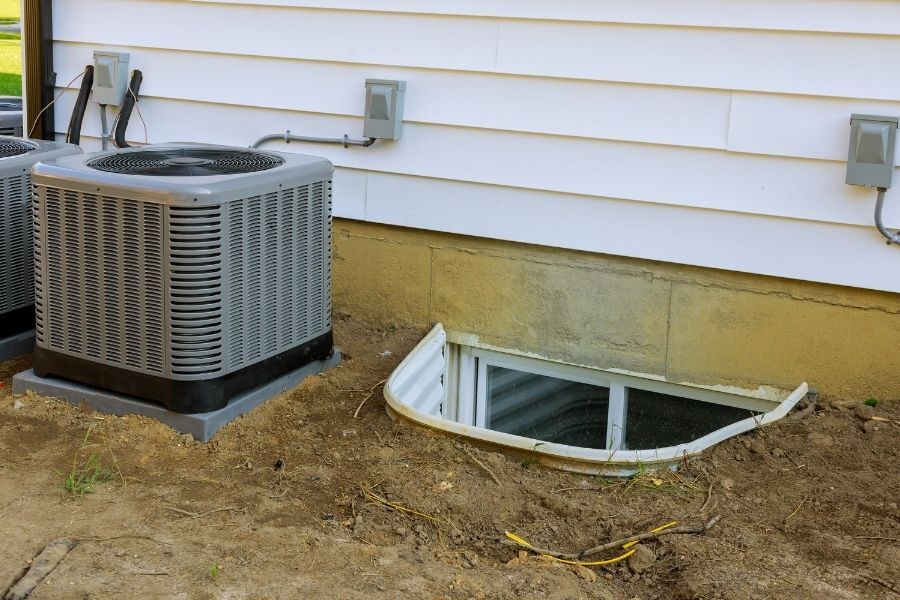
Window well covers are your first line of defense against basement flooding during spring melt.
Install durable window well covers before winter arrives. Clear any snow that does accumulate as soon as possible. Check the drainage at the bottom of each well to verify it's not blocked with debris or ice.
Interior Safeguards
Your exterior defenses should be strong. But smart homeowners also protect from inside.
Critical Interior Protection Steps:
- Sump pump with battery backup: Power outages happen during spring storms. A battery backup keeps your pump running when you need it most.
- Water alarm system: Install at lowest basement points. These sensors alert you immediately when moisture appears, often before you'd notice water pooling.
- Elevated storage: Move valuables, electronics, and important documents to upper shelves or waterproof containers at least 12 inches off the floor.
- Proper drainage: Ensure floor drains aren't blocked. Test them by pouring water down and verifying it drains quickly.
Consider having your basement professionally assessed for water damage risk. Professional inspections using thermal imaging can detect hidden moisture problems before they become major issues.
When Professional Flood Cleanup Becomes Necessary
Sometimes prevention isn't enough. Heavy snowpack years, rapid temperature swings, or unexpected equipment failures can overwhelm even the best preparations.
If water enters your basement, time matters more than anything else. The first 24 to 48 hours determine whether you're dealing with cleanup or complete restoration. According to the Environmental Protection Agency, mold can begin growing within 24 to 48 hours in damp conditions.
Why DIY Cleanup Often Falls Short
Many homeowners try handling flooded basements themselves. This rarely works well for several reasons:
- Standing water volume: Shop vacuums can't handle serious flooding. Professional extraction equipment removes hundreds of gallons per hour.
- Hidden moisture: Water doesn't stay on the surface. It penetrates walls, insulation, and subfloors where you can't see it. Professional moisture meters and thermal cameras detect these hidden problems.
- Contamination risk: Snow melt often mixes with soil contaminants, fertilizers, and other pollutants. This creates health hazards requiring proper protective equipment and sanitization procedures.
- Structural concerns: Prolonged water exposure threatens foundation integrity. Professionals assess structural damage that homeowners often miss.
Professional restoration companies like Swift Restoration and Remodeling bring industrial-grade equipment, IICRC-certified expertise, and comprehensive approaches that address both visible damage and hidden risks. We also work directly with insurance companies to document everything properly for claims.
What Happens During Professional Basement Flood Restoration
Understanding the restoration process helps you know what to expect and why each step matters. Here's how our certified technicians handle flooded basements:
7-Step Professional Restoration Process
- Emergency Contact & Assessment (0-2 hours):
We arrive quickly to assess damage severity, identify water source, and begin safety protocols. Initial moisture readings establish baseline measurements for insurance documentation. - Water Source Control (2-4 hours):
Stop water entry by addressing foundation leaks, blocked drainage, or equipment failures. This might involve temporary sealing, pump repairs, or emergency drainage system installation. - Water Extraction (4-12 hours):
Industrial pumps and truck-mounted extraction units remove standing water. We extract from carpet, padding, and porous materials to prevent additional absorption. - Damage Assessment & Documentation (Day 1-2):
Comprehensive inspection of affected materials using moisture meters and infrared cameras. Document everything with photos and detailed reports for insurance claims. - Material Removal (Day 2-3):
Remove damaged drywall, insulation, baseboards, and flooring that can't be salvaged. This exposes wall cavities and subflooring for proper drying and prevents mold growth. - Drying & Dehumidification (Day 3-7):
Industrial air movers and commercial dehumidifiers run 24/7 to completely dry affected areas. We monitor moisture levels daily until readings confirm complete dryness. - Cleaning, Sanitizing & Restoration (Day 7+):
Once dry, we clean and sanitize all surfaces to kill bacteria and prevent odors. Then we begin reconstruction services to restore your basement to pre-loss condition.
Equipment That Makes the Difference
Professional restoration isn't about having bigger fans. It's about having the right tools for each specific situation:
- Truck-mounted water extraction: Removes up to 500 gallons per minute compared to shop vacs that handle maybe 10 gallons per hour
- Low-grain refrigerant dehumidifiers: Pull moisture from air even in cold basements where standard dehumidifiers fail
- HEPA air scrubbers: Filter airborne contaminants and mold spores during cleanup to protect your family's health
- Thermal imaging cameras: Detect moisture inside walls without destructive testing
- Moisture meters: Provide accurate readings of material saturation levels to guide drying strategy
Our teams carry this equipment on every emergency response vehicle. We don't need to schedule equipment delivery or make multiple trips. Everything needed for comprehensive flood cleanup arrives with our first responders.
Insurance Claims Support
Dealing with insurance companies adds stress to an already difficult situation. We handle this complexity for you.
Swift Restoration and Remodeling works directly with insurance adjusters to document damage, provide detailed estimates, and ensure proper coverage. We've helped hundreds of Weber County homeowners navigate the claims process for flood damage coverage. Our detailed documentation and professional relationships with major carriers help maximize your settlement while minimizing your hassle.
Trust Our Weber County Flood Restoration Experts
Spring snow melt has caused basement flooding in Northern Utah for generations. But modern restoration technology and proven techniques mean flooding doesn't have to cause lasting damage.
At Swift Restoration and Remodeling, we've spent over 15 years protecting Ogden area homes from water damage. Our IICRC-certified technicians understand Utah's unique climate challenges and respond 24/7 when you need help. We combine rapid emergency response with thorough restoration processes that return your home to pre-loss condition.
Whether you're dealing with active flooding or want to prevent future problems, our team provides expert guidance and professional service. We offer free estimates and work directly with your insurance company to simplify the entire process.
Don't wait until water appears in your basement. Call (385) 412-8633 now for immediate assistance or to schedule a preventive inspection. Our emergency response team serves Layton, Farmington, Ogden, and all of Weber County.
Frequently Asked Questions About Snow Melt Flooding
How quickly can melting snow flood a basement?
Basement flooding from snow melt typically happens over several days as temperatures rise above freezing. However, rapid temperature swings combined with rain can cause flooding within 24 to 48 hours. The risk depends on snow volume, ground saturation, and foundation condition. Homes with existing cracks or poor drainage face higher flooding risk during sudden warm spells.
Can I prevent basement flooding if I already have standing water?
Once water enters your basement, focus shifts from prevention to mitigation. Remove standing water immediately using pumps or professional extraction services. Clear snow from your foundation's perimeter to stop additional water intrusion. Contact a professional restoration company within 24 hours to prevent secondary damage like mold growth. Quick action now prevents much costlier repairs later.
Does homeowners insurance cover snow melt flooding?
Coverage depends on your specific policy and how water entered your home. Standard homeowners insurance typically covers sudden water damage from burst pipes or roof leaks but may exclude gradual seepage or flooding from groundwater. Flood insurance through NFIP covers rising water from outside sources. Review your policy carefully and document everything immediately if flooding occurs. Professional restoration companies can help you navigate the claims process and maximize coverage.
How long does basement flood cleanup take after snow melt damage?
Professional basement flood cleanup typically takes three to seven days for drying alone, followed by additional time for repairs and reconstruction. Timeline varies based on water volume, affected materials, and humidity levels. Emergency extraction begins immediately. Drying equipment runs continuously for several days. Complete restoration including rebuilding damaged areas can take two to four weeks depending on damage extent. Starting the process quickly shortens overall timeline significantly.