
How to Document Water Damage for Insurance Claims in Northern Utah
Updated On: February 10, 2026
Author: Darin Jenks
Jump To:
When water damage strikes your Northern Utah home, the last thing you want to think about is paperwork. But here's the truth: what you document in those first few hours can make or break your insurance claim. At Swift Restoration and Remodeling, we've helped hundreds of Weber County homeowners navigate insurance claims for water damage, and proper documentation is always the difference between a smooth payout and a frustrating denial.
Why Documentation Matters for Your Claim
Insurance adjusters weren't there when your basement flooded at 2 AM. They need evidence. According to the Insurance Information Institute, water damage ranks among the most common homeowner claims, and payouts depend heavily on the quality of documentation provided.
Homeowners who submit detailed photos, receipts, and inventories typically receive faster approvals and higher settlements. Think of documentation as building your case. The more thorough you are, the easier it becomes for adjusters to approve your claim.
Dealing with water damage right now?
Our team responds 24/7 and works directly with your insurance company.
Contact Our TeamStep 1: Stop the Water Source
Before you grab your phone to start documenting, stop the water. Find the source and shut it off if possible.
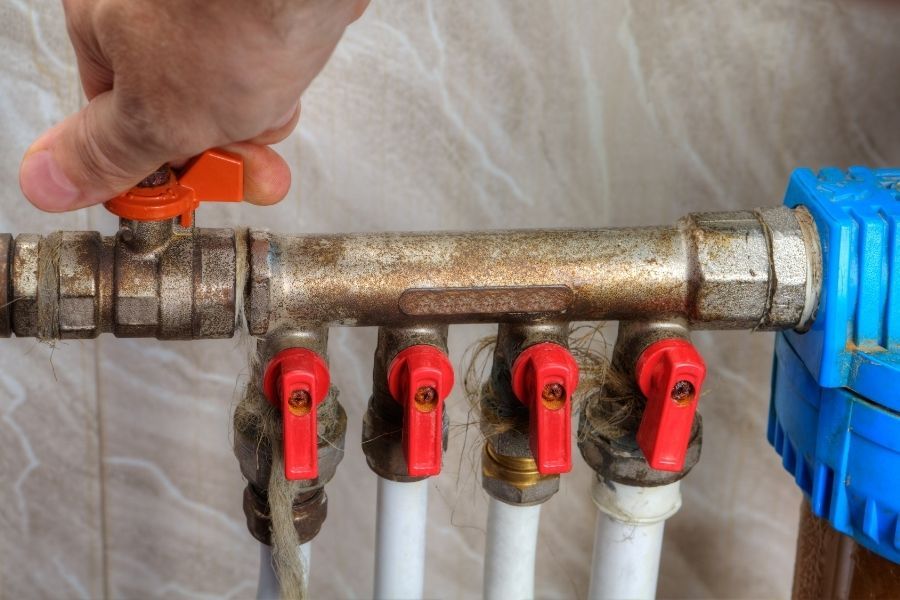
Shutting off the main water supply should be your first priority during a plumbing emergency.
Common shutoff locations in Northern Utah homes include the main valve near the water meter, individual fixture shutoffs under sinks, water heater valves, and washing machine supply valves. If you can't stop the water yourself, call for professional water damage restoration immediately.
Step 2: Take Photos and Videos
Your phone becomes your most important tool. Take far more photos than you think you need. Start with wide shots of entire rooms, then get close-ups of specific affected areas.

Photograph damage from multiple angles to give insurance adjusters a complete picture.
Documentation Checklist
- Wide room shots showing overall damage extent
- Close-ups of damaged materials
- Water source(burst pipe, failed appliance, roof leak)
- Water lines on walls showing flood height
- Damaged belongings with visible brand names
- Video walkthroughs with verbal descriptions
Video is incredibly valuable. Walk through affected areas slowly, narrating what you see. Mention the date and time at the beginning. Adjusters appreciate this context.
Step 3: Create a Detailed Inventory
Make a comprehensive list of everything damaged, including structural elements, personal belongings, and electronics.
| Information Needed | Why It Matters |
|---|---|
| Item Description | Identifies what was damaged |
| Brand and Model | Helps determine replacement cost |
| Purchase Date | Establishes age and depreciation |
| Original Cost | Baseline for claim value |
If you have receipts showing original purchases, gather those too. Old photos showing items in good condition before the damage can also strengthen your claim.
Step 4: Keep All Records
Save every piece of paper related to your water damage: emergency service receipts, hotel stays if you had to relocate, and temporary repair costs. Insurance policies often cover reasonable mitigation expenses.
Professional restoration companies provide detailed documentation as part of our service. We photograph damage during assessments, create moisture mapping reports, and document every step. This carries significant weight with adjusters. Learn more about filing water damage insurance claims.
The 48-Hour Rule
Most insurance policies require notification within 48 hours of discovering damage. Don't delay, even if you're still assessing the full extent.
Common Documentation Mistakes to Avoid
We've seen plenty of claims get delayed because of avoidable errors. Here are the biggest mistakes Layton and Weber County homeowners make.
Throwing Away Damaged Items Too Soon
Don't dispose of anything until the adjuster has inspected it. Even if something is clearly ruined, the adjuster needs to see and photograph it themselves.
Making Permanent Repairs Before Approval
Temporary fixes to prevent further damage are fine. But don't start ripping out drywall until your insurance company approves the work.
Not Getting Professional Assessments
Having a certified flood damage cleanup company assess your damage adds credibility to your claim. Our technicians use moisture meters and thermal imaging to find hidden damage that standard inspections miss. Water often travels behind walls and under flooring, causing damage you can't see with the naked eye.
Professional assessments document this hidden damage before it becomes a bigger problem. Without proper moisture detection, you might settle your claim only to discover mold growth weeks later. For more guidance, read our tips on what to do first after discovering water damage.
Incomplete Communication Records
Every phone call with your insurance company matters. Write down the claim number, the name of everyone you speak with, and what was discussed. These notes become essential if disputes arise later in the process.
Need Help with Your Water Damage Claim?
Swift Restoration and Remodeling works directly with insurance companies throughout Weber County and Northern Utah.
Get a Free EstimateFrequently Asked Questions
How long do I have to file a water damage insurance claim in Utah?
Most Utah homeowner policies require notification within 48 to 72 hours of discovering damage. You typically have one to two years to complete the claims process. Check your specific policy for exact deadlines, and when in doubt, notify your insurer immediately.
Should I clean up water damage before documenting it?
Stop the water source first, then document before cleaning. Take photos and videos of the damage in its original state. After documentation, take reasonable steps to prevent additional damage. Save all receipts and don't make permanent repairs until your claim is approved.
What if my insurance claim for water damage is denied?
Request a written explanation and review it carefully. Many denials result from documentation gaps. You can appeal by providing additional evidence or getting a second assessment from a licensed restoration professional. Consider consulting a public adjuster if needed.
Does hiring a restoration company help with my insurance claim?
Yes, significantly. Professional restoration companies provide detailed documentation including moisture readings, thermal imaging reports, and itemized damage assessments. Insurance adjusters recognize and trust this professional documentation, often resulting in smoother claims processes.