How Professional Teams Handle Multiple Damage Types
Updated On: October 20, 2026
Author: Darin Jenks
Jump To:
When disaster hits a home in Ogden or Weber County, it almost never shows up as just one problem. A kitchen fire doesn't just leave char marks. It sets off the sprinklers, soaking floors and drywall, which leads to mold within days. Dealing with multiple damage types at once takes a team that knows every category.
At Swift Restoration and Remodeling, our crews handle these layered jobs every week. We bring 13 years of restoration know-how and over 30 years in construction to every project in Northern Utah.
Why Property Damage Rarely Comes in Just One Form
Most homeowners expect damage to be simple. A burst pipe means water damage. A grease fire means fire damage.
But it's rarely that clean. Damage types feed into each other and make the problem bigger fast.
Water damage is the most common trigger. A slow leak behind a wall can soak insulation and framing for weeks. By the time you smell something musty, mold is already growing. Now you need both water cleanup and mold remediation on the same walls, with two sets of rules.
Fire damage works the same way. Flames wreck the structure, but the water used to put out the fire creates a second round of damage. Smoke and soot get into fabrics, carpet, and duct systems.
Leave the property wet for a few days and mold kicks in too. One event, three or four damage types, all needing a specific fix.
Storm damage in Northern Utah follows the same pattern. High winds rip off shingles and rain gets in through the roof. Water pools in the attic or runs down walls.
By the time the storm passes, you're looking at wind damage, water damage, and mold risk all at once. That's why teams need a plan for all of it, not just one piece.
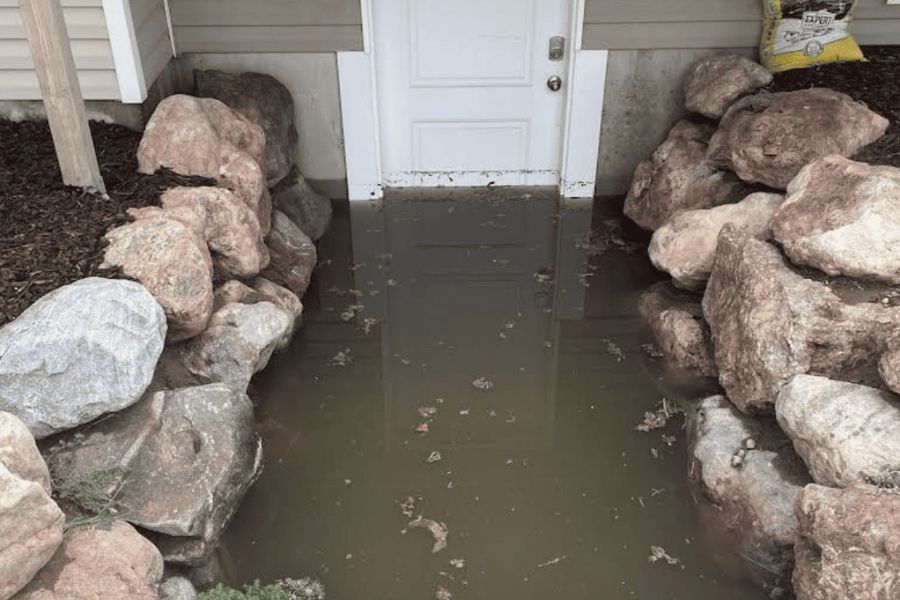
Floodwater entering a basement is one of the most common starting points for layered damage, often leading to mold and structural issues if not dried quickly.
How Water, Fire, and Mold Damage Overlap
Knowing how these damage types connect is key to getting the fix right. You can't treat them one at a time. Each one changes how the others need to be handled.
| Damage Type | Common Causes | Secondary Damage It Creates |
|---|---|---|
| Water | Burst pipes, roof leaks, appliance failures | Mold growth, structural weakening, electrical hazards |
| Fire | Kitchen fires, electrical failures, heating equipment | Water damage from suppression, smoke contamination, mold |
| Mold | Unresolved moisture, poor ventilation, hidden leaks | Health risks, material degradation, odor issues |
| Storm | High winds, heavy rain, hail, snow/ice | Water intrusion, structural compromise, mold if left wet |
Pro teams don't just fix what they can see. They look for hidden damage behind walls, under floors, and inside ductwork. Skip that step and the "fixed" problem comes back worse a few months later.
Dealing with More Than One Type of Damage?
Our team handles the full picture, from water extraction to mold remediation to complete reconstruction. One company, one point of contact.
Get a Free EstimateWhat Does a Multi-Damage Assessment Look Like?
A solid assessment is the first step in any multi-damage project. Without one, crews end up chasing symptoms instead of fixing the real problem. Pro teams check every affected area before cleanup starts.
Here's what that process typically involves:
- Visual walk-through: Going room by room to spot damage, safety risks, and affected areas.
- Moisture mapping: Using thermal cameras and meters to find hidden water behind walls and under floors. Our team does this on nearly every job in Ogden, Layton, and Kaysville.
- Air quality testing: Checking for mold spores, smoke particles, or other stuff in the air you can't see.
- Structural check: Looking at framing, support walls, and the foundation to see if they're still solid.
- Photos and records: Taking pictures of all damage for insurance before any work starts.
The IICRC restoration standards are clear: assess before you mitigate. Tearing out drywall before you know how far the moisture spread can push mold spores into clean areas.
The Right Sequence for Multi-Damage Restoration
- Secure the property with board-up or tarping to prevent further damage
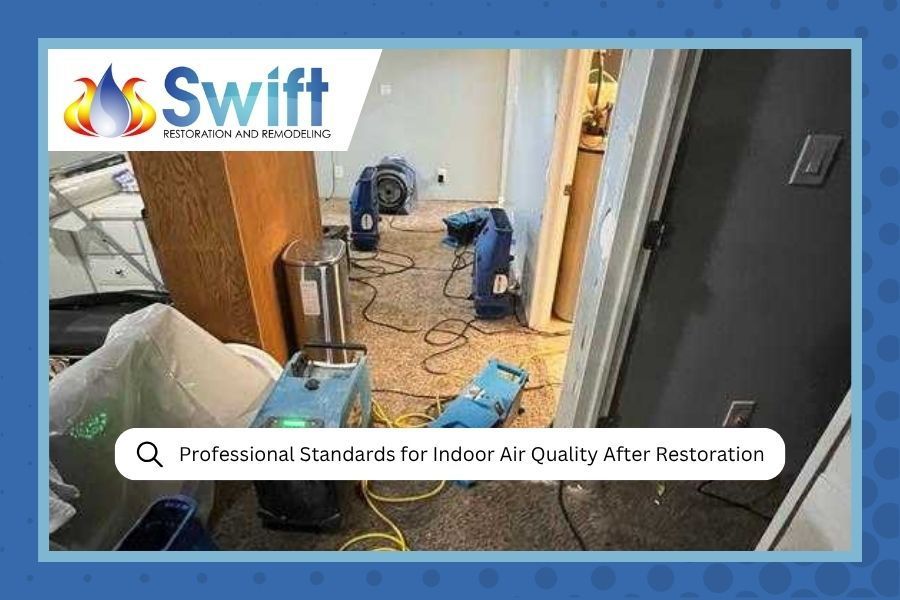
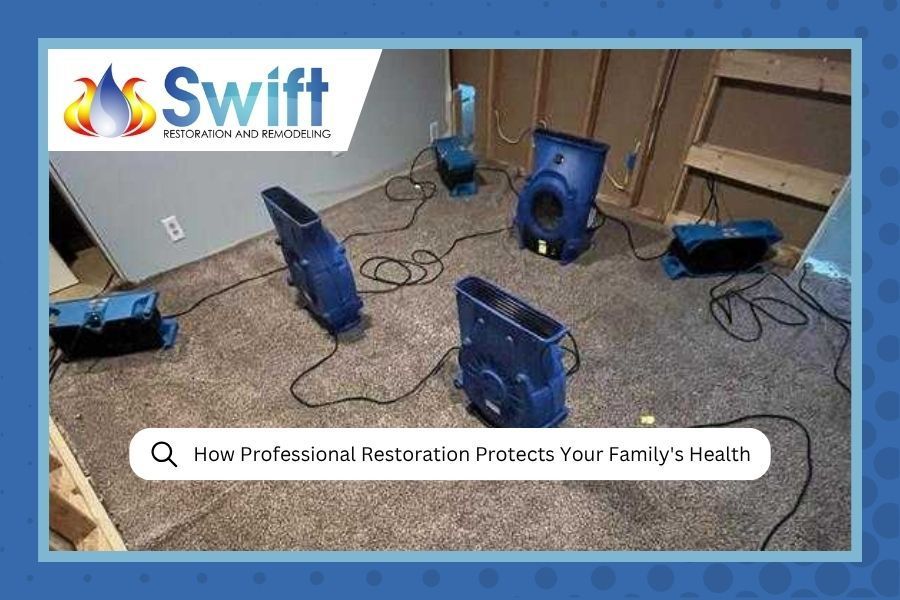
- Extract standing water and begin structural drying
- Remove smoke, soot, and contaminated materials
- Test for and remediate mold in affected areas
- Complete structural repairs to framing, subfloors, and systems
- Rebuild and finish with drywall, flooring, paint, and trim
- Final inspection and walkthrough with homeowner
From Cleanup to Reconstruction Under One Roof
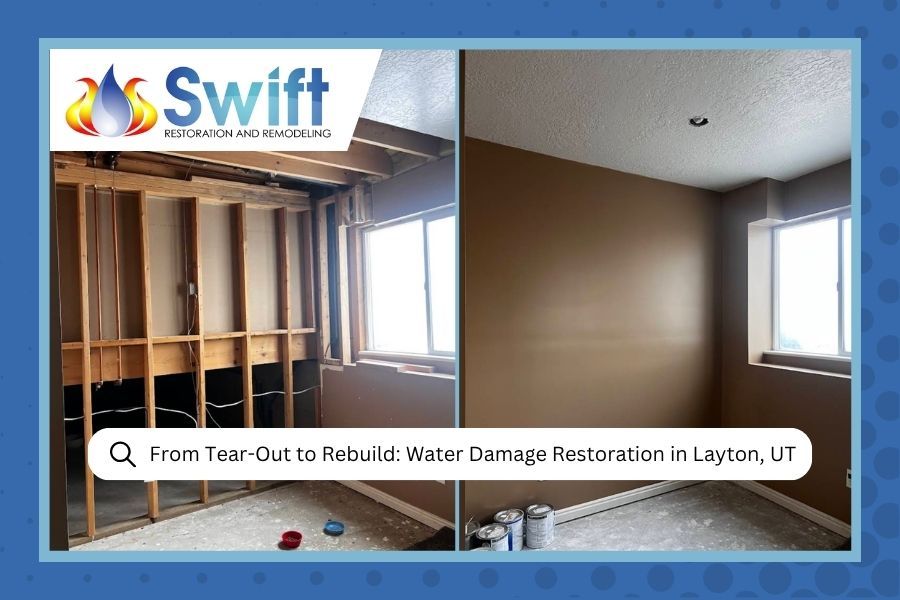
One of the biggest headaches is the handoff. The cleanup crew dries things out, then you need a whole new contractor for the rebuild. That gap causes delays, mixed messages, and sometimes different opinions on what needs fixing.
Having one general contractor run the whole project gets rid of that gap. The same crew that pulled the water and treated the mold is the same crew framing walls and laying new floors. They already know what got damaged, what was torn out, and what the house needs.
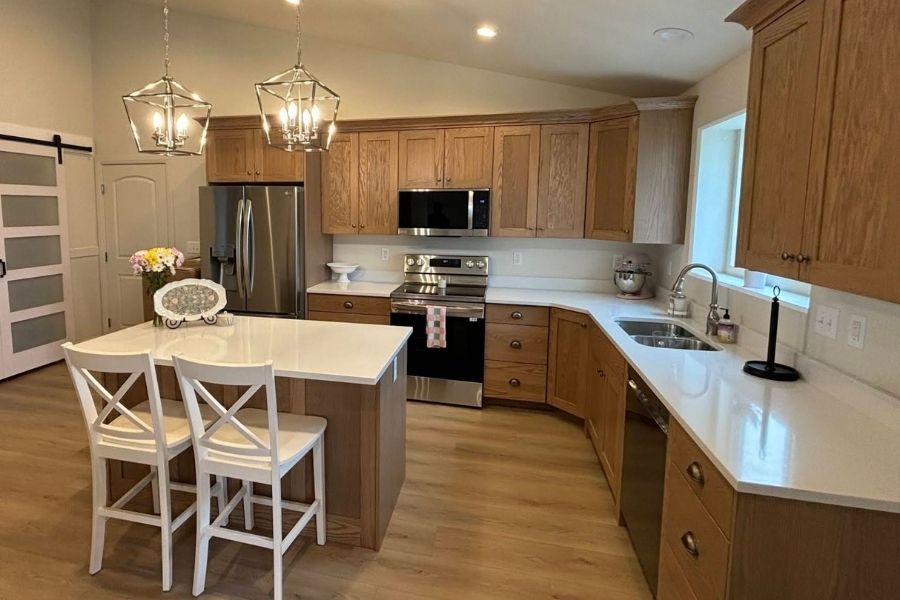
A completed kitchen rebuild after fire damage. When the same team handles both cleanup and reconstruction, the finished result comes together faster and with fewer headaches.
For homeowners in Farmington, Bountiful, and across Davis County, this also makes insurance way simpler. One estimate, one set of invoices, one contact for the adjuster. No blame games between companies. The EPA's mold and moisture guide stresses that good records of each remediation step matter for both health safety and getting your claim paid.
Swift Restoration and Remodeling was built around this idea. Our IICRC-certified techs handle every step, from the first call to the last coat of paint. Want to see what that looks like? Check out our sewage cleanup and rebuild in Millcreek and our water damage to full remodel in Hyrum.
Frequently Asked Questions
Can one restoration company handle water, fire, and mold damage at the same time?
Yes, full-service restoration companies with IICRC certifications and construction capabilities can manage all three under one project. This reduces delays and prevents gaps between the mitigation and rebuild phases.
How long does a multi-damage restoration project take?
Timelines vary based on severity and the number of damage types involved. A project combining water damage, mold remediation, and structural repairs typically takes 2 to 6 weeks from emergency response through completed reconstruction.
Will my insurance cover damage from multiple causes in the same event?
In most cases, insurance covers all damage resulting from a single covered event, even when multiple damage types are involved. The key is thorough documentation connecting each type of damage back to the original cause.
Why is mold so common after fire damage?
Fire suppression from sprinklers and fire hoses saturates a property with water. If that moisture isn't extracted within 24 to 48 hours, mold spores begin colonizing on wet building materials. The combination of organic materials and standing water creates ideal growth conditions.
Need Help with Property Damage in Northern Utah?
Whether you're dealing with water, fire, mold, or all three at once, our team at Swift Restoration and Remodeling handles every phase. Serving Ogden, Layton, Farmington, Kaysville, Bountiful, and all of Weber and Davis Counties.
Contact Our Team