
How to Prevent Spring Runoff Water Damage in Ogden Valley Properties
Updated On: March 3, 2026
Author: Darin Jenks
Jump To:
Spring runoff causes more water damage in Ogden Valley than any other seasonal event. Every winter, the Wasatch Mountains accumulate massive snowpacks that transform into rushing water come March and April. That water needs to go somewhere, and if your property isn't prepared, it'll find its way into basements, crawl spaces, and foundations.
At Swift Restoration and Remodeling, we've responded to hundreds of water damage emergencies across Northern Utah over our 15+ years in business. Spring runoff season keeps our 24/7 emergency teams busy. Most of that damage could have been prevented with simple preparation.
This guide shows you exactly what to do before snowmelt starts. You'll learn the unique risks Ogden Valley properties face and how to protect your home or business from thousands of dollars in water damage.
Why Ogden Valley Faces Unique Spring Runoff Risks
Geography creates problems here. Ogden Valley sits at the base of steep mountain terrain where snowmelt accelerates downhill fast. Properties built on slopes or near natural drainage paths face the highest risk.
The snowpack in the Wasatch Mountains regularly exceeds 100 inches during heavy winters. When temperatures rise quickly in spring, that snow doesn't melt gradually. It rushes downhill in concentrated flows that overwhelm unprepared drainage systems.
According to the Federal Emergency Management Agency, flash flooding from rapid snowmelt causes significant property damage in mountainous regions every spring. Properties near ephemeral streams face particular danger because these channels remain dry most of the year, then suddenly carry thousands of gallons during peak runoff.
Warning Signs Spring Runoff Is Threatening Your Property
Look for these indicators before problems escalate:
| Warning Sign | What It Means | Action Required |
|---|---|---|
| Standing water near foundation | Poor drainage or grading issues | Immediate grading correction needed |
| Overflowing gutters | Clogs from winter debris | Clean and test before peak melt |
| Basement moisture or musty odors | Water already entering through cracks | Professional inspection essential |
| Ice dams on roof edges | Melt water backing up under shingles | Safe removal and attic insulation check |
| Sump pump running constantly | Heavy groundwater infiltration | Backup pump installation recommended |
Don't wait until water enters your home. These warning signs give you time to act before minor issues become expensive disasters.
Worried About Spring Runoff Damage?
Our team provides 24/7 emergency response across Ogden Valley. We can assess your property's vulnerability and help you prepare before snowmelt accelerates.
Get Your Free Property AssessmentYour Spring Runoff Prevention Checklist
Start these tasks in late February or early March, before temperatures consistently rise above freezing during the day. Waiting until runoff starts means you're already too late.
Clear Gutters and Downspouts
Winter debris clogs drainage systems. Pine needles, leaves, and ice accumulation block water flow. Test your gutters by running water through them and watching where it exits.
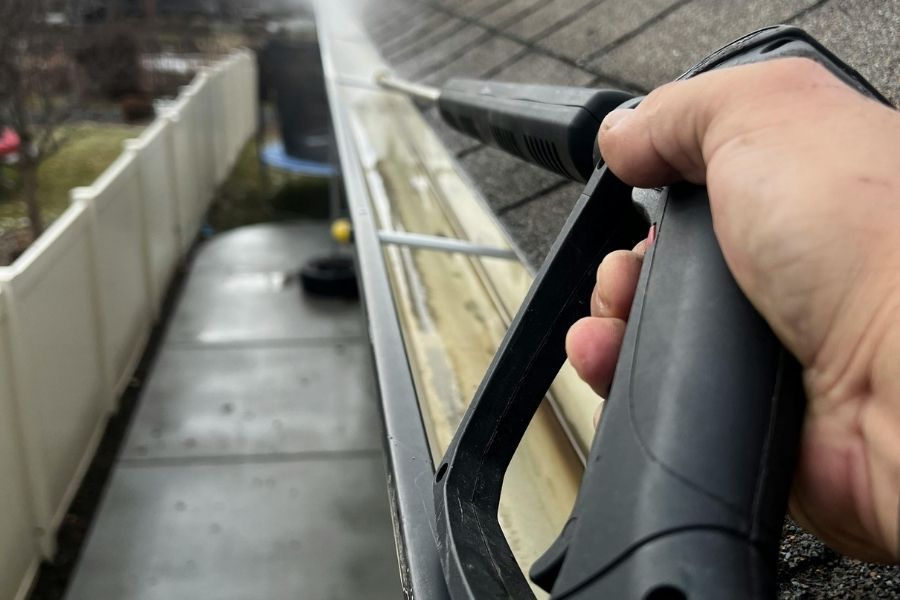
Clearing winter debris from gutters prevents overflow during peak spring runoff
Downspouts should direct water at least 5 feet from your foundation. Extensions are cheap insurance against basement flooding. Our team recommends splash blocks or underground drainage if you have persistent foundation issues.
Remove Snow from Roof Valleys and Edges
Heavy snow on roofs creates two problems during spring warmup. First, the weight stresses structural members. Second, ice dams form at roof edges when interior heat melts snow that then refreezes.
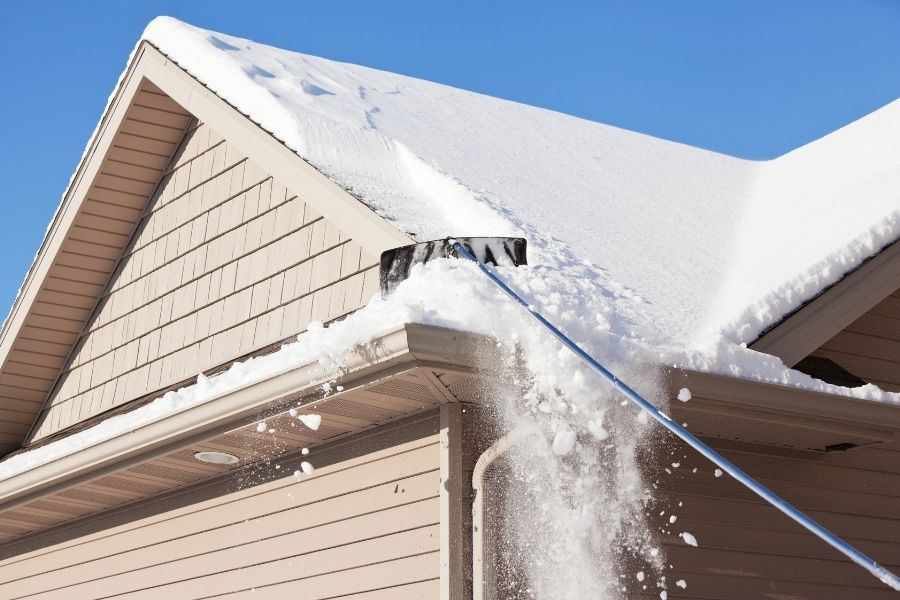
Ice dams force meltwater under shingles, causing interior water damage and mold growth
Never climb on snow-covered roofs yourself. Falls cause serious injuries every spring in Ogden Valley. Use a roof rake from the ground, or hire professionals with proper safety equipment. Focus on valleys where water concentrates and eaves where ice dams form.
Inspect and Test Your Sump Pump
Pour water into your sump pit until the float activates. The pump should start immediately and discharge water outside, away from your foundation. If it hesitates, makes grinding noises, or doesn't start, replace it before spring runoff peaks.
Battery backup systems provide critical protection during power outages, which often coincide with severe weather. The Ready.gov power outage guide recommends backup power for essential home systems including sump pumps.
Check Foundation Seals and Basement Windows
Walk your foundation perimeter looking for cracks, gaps, or deteriorated sealant. Even small openings allow water entry during spring floods. Check basement window wells too because these collect runoff and force water against glass if drains clog.
If you discover foundation moisture issues or past water damage, schedule a professional inspection immediately. Hidden problems worsen dramatically during spring runoff season.
Grading and Drainage: The Foundation of Flood Prevention
Your property's slope matters more than anything else for spring runoff protection. Water flows downhill following gravity. If your yard slopes toward your house instead of away from it, you're fighting physics.
Proper grading creates a minimum 6-inch drop over 10 feet measured from your foundation. That gentle slope guides surface water away before it can penetrate cracks or seep through porous materials. Check grading around your entire perimeter because settling soil creates drainage problems over time.
Signs Your Property Needs Grading Correction:
- Water pools near foundation after rain or snowmelt
- Soil has settled away from foundation creating gaps
- Basement shows moisture stains or efflorescence (white mineral deposits)
- Landscaping channels water toward house rather than away
- Previous basement flooding incidents
French drains provide additional protection for properties on slopes or with high water tables. These gravel-filled trenches with perforated pipe intercept groundwater before it reaches your foundation. Installation requires professional excavation but prevents recurring spring flooding.
Emergency Steps If Runoff Water Enters Your Home
Act fast if water breaches your defenses. Every hour of delay increases damage severity and mold growth risk.
- Cut power to affected areas. Water and electricity create lethal combinations. Flip breakers before entering flooded spaces.
- Stop the source if possible. If runoff enters through a specific opening, try to block or redirect it temporarily.
- Call emergency restoration services immediately. Professional water extraction prevents secondary damage that multiplies costs.
- Document everything for insurance. Take photos and videos before touching anything. Your claim depends on documentation.
- Move valuables to dry areas. Elevate furniture if you can't remove it completely. Separate wet items from dry ones.
- Don't wait to start drying. Open windows if weather permits. Run fans and dehumidifiers. The 24-48 hour window determines whether mold establishes.
According to the EPA's mold guidance, water damage must be addressed within 24-48 hours to prevent mold colonization. Spring runoff water often contains soil and organic matter that accelerates microbial growth.
Spring Runoff Timeline: When to Act
Late February: Begin gutter cleaning and roof snow removal
Early March: Test sump pumps and inspect foundations
April: Peak runoff period requires daily monitoring
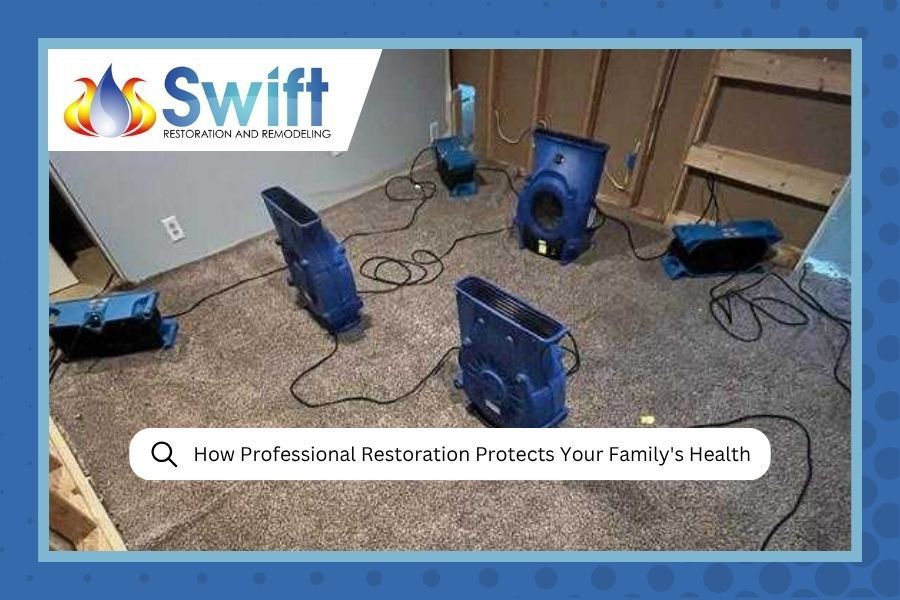
Professional restoration teams bring industrial equipment that homeowners can't access. Our technicians use thermal imaging to detect hidden moisture in walls and subflooring. We extract standing water, then deploy commercial dehumidifiers and air movers that dry structures in days rather than weeks.
Frequently Asked Questions About Spring Runoff Prevention
When does spring runoff typically peak in Ogden Valley?
Peak runoff usually occurs between mid-March and late April depending on winter snowpack and spring temperatures. Warm spring storms accelerate snowmelt dramatically, creating flood conditions within days. Monitor weather forecasts closely once daytime temperatures consistently exceed 45°F, as rapid warming triggers the heaviest flows.
Can I handle spring runoff water damage restoration myself?
Small amounts of clean water affecting non-porous surfaces can sometimes be managed with shop vacs and fans. However, runoff water contains soil, bacteria, and contaminants that require professional sanitization. Moisture that penetrates drywall, insulation, or subflooring needs industrial extraction equipment and monitoring to prevent mold. We've seen countless DIY attempts that led to hidden mold growth costing five times more to remediate than the original water damage would have cost to restore properly.
Does homeowners insurance cover spring runoff damage in Ogden Valley?
Standard homeowners insurance typically covers sudden and accidental water damage but excludes flooding from surface water. Spring runoff damage classification depends on how water entered your property. Water coming through foundation cracks from groundwater saturation usually isn't covered. However, water entering through your roof from ice dams or overwhelmed gutters typically is covered. Read our insurance coverage guide for details, and review your specific policy with your agent before spring runoff season begins.
How quickly should I respond if spring runoff enters my basement?
Call professionals within the first few hours if possible. The IICRC S500 water damage restoration standard specifies that Category 2 water (like runoff containing soil and contaminants) requires professional response within 24 hours maximum. Mold spores begin germinating in 24-48 hours given moisture and organic materials. Every hour you delay, water wicks deeper into building materials and the affected area expands. Our 24/7 emergency response team serving Ogden Valley can typically arrive within 90 minutes of your call.
Protect Your Ogden Valley Property This Spring
At Swift Restoration and Remodeling, we've protected Northern Utah properties from spring runoff damage for over 15 years. Our IICRC-certified technicians understand the unique challenges Ogden Valley properties face every spring.
We offer 24/7 emergency response, free property assessments, and direct insurance billing to make the process as stress-free as possible. Don't wait until water enters your home.
Schedule Your Free Assessment Today
Serving Ogden Valley, Huntsville, Eden, and surrounding Weber County communities