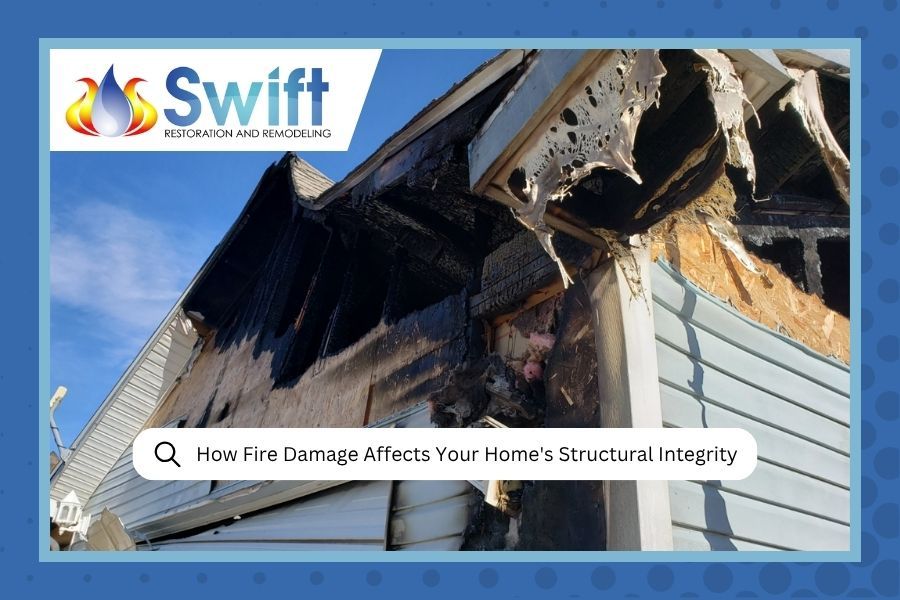
How Fire Damage Affects Your Home's Structural Integrity
Updated On: July 14, 2026
Author: Darin Jenks
A house fire doesn't just leave ash and soot. It changes the way your home stands. After 15 years of fire damage restoration across Weber County and Northern Utah, our team at Swift Restoration and Remodeling has seen what fires do beneath the surface. The visible damage is shocking. The hidden structural damage is what creates the real danger.
This post covers how fire compromises your home's structural integrity, what warning signs to watch for, and why a professional assessment matters before anyone re-enters. It's information we share with homeowners in Ogden, Layton, Farmington, and Kaysville every time we respond to a fire call.
Not sure if your home is safe after a fire?
Our IICRC-certified team provides structural assessments and full fire restoration across Northern Utah. Don't guess when it comes to safety.
Contact Our Team TodayWhat Fire Actually Does to a Structure
Fire weakens a building in three ways: direct heat damage, chemical changes to materials, and water from firefighting. Each creates a different kind of risk.
Wood begins charring around 300 degrees Fahrenheit. Steel softens and bends above 1,000 degrees. Concrete cracks from rapid thermal expansion, then contracts when hit with cold water. These aren't edge cases. They're standard outcomes in most residential fires.
Smoke and combustion gases also deposit acidic compounds into structural materials. According to the U.S. Fire Administration's homeowner recovery guide, materials that look undamaged can lose integrity from heat and chemical infiltration. The damage keeps spreading even after the fire is out.
🔥 Heat Damage by Material
| Material | Damage Threshold | What Happens |
|---|---|---|
| Wood framing | ~300°F | Charring begins; load capacity drops |
| Steel supports | ~1,000°F | Softens, bends, loses load-bearing ability |
| Concrete | ~570°F | Spalling, thermal shock cracking |
| Drywall / gypsum | ~250°F | Core crumbles; loses fire-rated barrier function |
6 Structural Areas Most Damaged by Fire
Fire doesn't damage a home evenly. Here are the six areas our team evaluates first after every residential fire in the Ogden area.
1. Foundation
Prolonged heat followed by cold firefighting water causes thermal shock in concrete. This creates internal cracking that's invisible from the surface. Utah's freeze-thaw cycles make this worse over time. A foundation that looks intact may not be.
2. Load-Bearing Walls
These walls hold up your floors and roof. Deep charring reduces their load capacity without making them fall. A compromised load-bearing wall can stay standing for days before collapsing under minimal stress. That's the scary part.
3. Roof Structure
Roof trusses and rafters often catch first and burn longest. Truss systems, common in homes built across Davis County and Weber County over the past 40 years, fail suddenly rather than gradually. When one truss member goes, the load redistribution collapses the system fast.
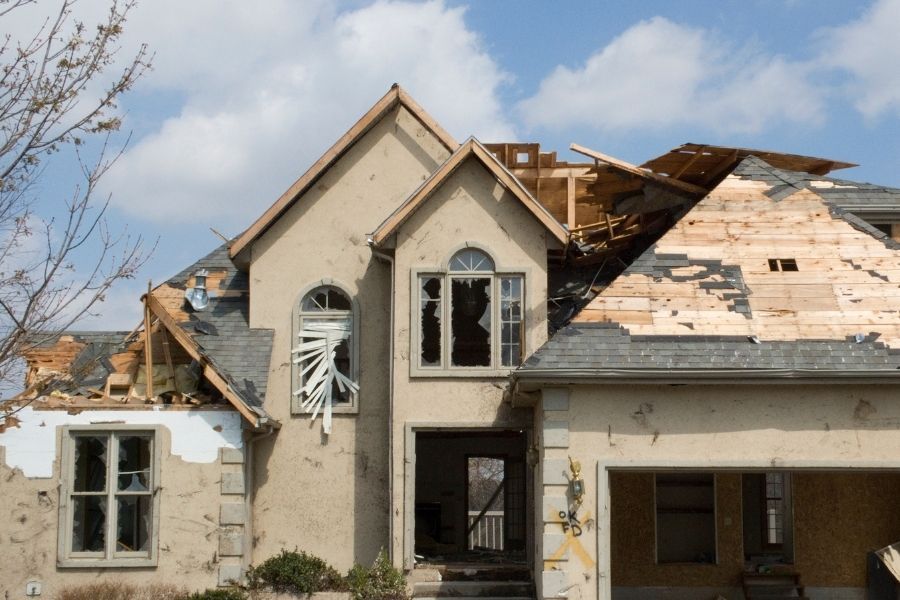
Roof trusses are often the first structural element to catch and the most likely to fail suddenly. Even when the roof looks intact from outside, internal truss damage can be severe.
4. Floor Systems
Sub-flooring and floor joists absorb heat from below and water weight from above. That combination is brutal. We've responded to calls where the floor looked solid on top but the joists underneath were essentially hollow from char. The one-third rule applies here: charring deeper than one-third of a joist's thickness means it has likely lost structural function.
5. Electrical and Plumbing Systems
Wire insulation melts at around 200 degrees Fahrenheit. Plastic plumbing fittings fail even earlier. Both create immediate hazards after a fire. Energized wires with no insulation, combined with water from firefighting, is exactly as dangerous as it sounds.
6. Chimney and Masonry
Chimneys exposed to intense heat can develop internal cracks in the flue liner. A cracked flue allows combustion gases into wall cavities. Masonry that looks solid may have lost its mortar bond. Either way, a chimney can lean or pull away from the house without warning.
Dealing with fire damage in Layton, Bountiful, or Brigham City?
From assessment through full post-fire reconstruction, our crew handles it all across Northern Utah. We also helped a homeowner through a complete fire rebuild - read that case study here.
Warning Signs Your Home Is Structurally Compromised
Some red flags are obvious. Others look minor but signal serious problems. Here's what to look for.
Obvious Signs
- Visible diagonal cracks running from door or window corners
- Roof sagging or sections of decking visibly bowing
- Walls leaning outward or separating from adjacent walls
- Floors that bounce, flex, or have burned through entirely
Subtle Signs That Are Easy to Miss
- Doors or windows that no longer sit square in their frames
- Floors that feel "spongy" outside the visible burn area
- Hairline cracks in drywall that weren't present before
- An ammonia-like smell from concrete, indicating heat-induced chemical changes
Related: See how we handled a complete fire damage recovery in Ogden, and check our guide on fire damage for Ogden homeowners for more on what the recovery process looks like.
Safety Rules Before You Re-Enter
The Ready.gov home fire safety guidelines are direct: do not re-enter until authorities declare the structure safe. That clearance comes after a structural inspection, not just after the fire is out.
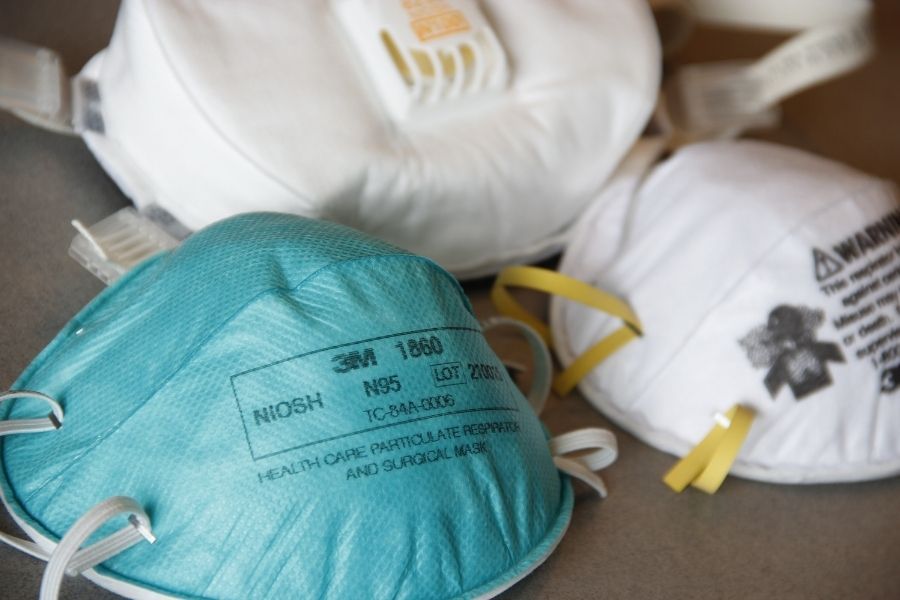
An N95 respirator or better is required any time you enter a fire-damaged structure. Smoke residue, carbon monoxide, and airborne particulates linger well after the flames are out.
Re-Entry Safety Checklist
- Wait for official clearance from the fire department or building inspector
- Never enter alone, and tell someone where you're going
- Wear an N95 or higher respirator, eye protection, and gloves
- Check for gas odors before entering. If you smell gas, leave immediately
- Test floors carefully before trusting your full weight on them
- Do not use light switches. Electrical systems may be compromised
- Keep visits brief until a professional structural assessment is complete
- No children or pets inside under any circumstances
Carbon monoxide, hydrogen cyanide, and particulate matter from burned synthetic materials linger well after the fire is out. Both the structural threat and the air quality hazard are real. Both are invisible.
Frequently Asked Questions
Can a house with fire damage still be structurally sound?
It depends on the fire's duration, temperature, and location. A small contained kitchen fire may leave the rest of the structure intact. A fire that burned through load-bearing walls or roof framing for 20-30 minutes or more can compromise integrity throughout. Only a professional assessment with char-depth measurement and moisture readings can confirm whether the structure is safe.
How long after a fire is it safe to go back inside?
Don't re-enter until the fire department or building inspector officially clears the structure. For minor fires, that typically happens within 24-72 hours. For major incidents, it may take longer. Even after clearance, wear respiratory protection every time you enter until professional cleanup is complete.
Does homeowner's insurance cover structural fire damage?
Most standard homeowner's insurance policies cover structural fire damage, including repairs to framing, roofing, and foundation. Document everything with photos before any cleanup begins and contact your insurer before work starts. Swift Restoration and Remodeling works directly with insurance companies to help Northern Utah homeowners through the claims process.
What's the difference between cosmetic and structural fire damage?
Cosmetic fire damage includes soot staining, surface char on non-structural surfaces, odor, and smoke discoloration. Serious, but the building can still stand safely. Structural fire damage means load-bearing elements, floor systems, roof framing, or the foundation have lost their ability to carry the loads they were built for. Structural damage requires professional repair before the home is safe to occupy.