Emergency Planning for Northern Utah's Wildfire Season
Updated On: July 7, 2026
Author: Darin Jenks
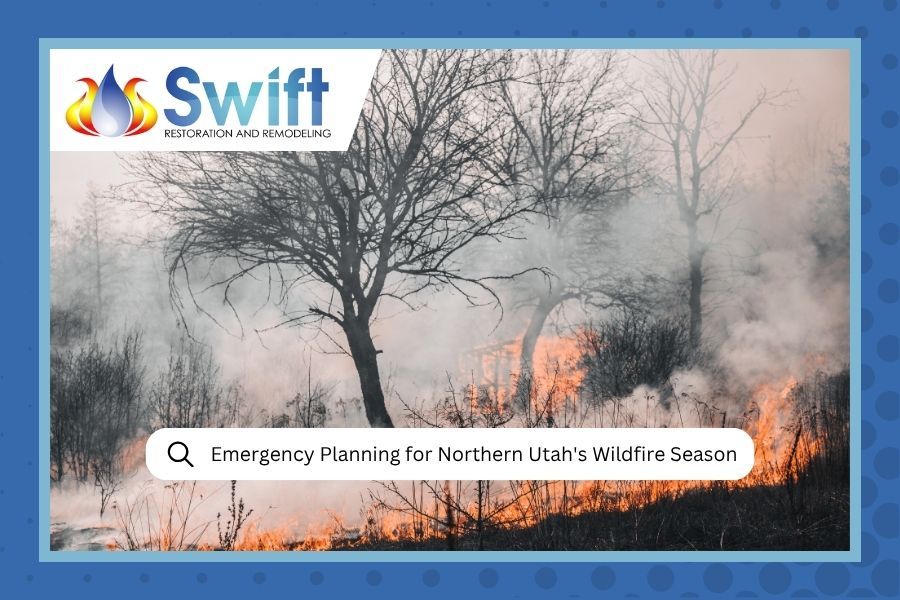
Every summer, the hills surrounding Weber County get drier, windier, and harder to predict. If you live in Northern Utah, chances are you've watched a smoke plume rise over a ridgeline and wondered, "How close is that?" Having a solid wildfire plan is the difference between a stressful week and a truly devastating one. Our team at Swift Restoration and Remodeling has handled fire damage restoration throughout the Ogden area for over 15 years, and the families who fare best are always the ones who prepared before anything happened. This guide covers what every Northern Utah homeowner needs to know before fire season peaks.
Already dealing with fire or smoke damage?
Our IICRC-certified team responds quickly and handles everything from assessment to full reconstruction.
Get Help TodayWhy Northern Utah Homeowners Need a Wildfire Plan
Weber County sits in a climate zone where summer heat, low humidity, and seasonal winds create ideal wildfire conditions from roughly June through October. Communities like Ogden, Layton, Farmington, Kaysville, and Brigham City all sit near foothills and canyons where fires can spread fast. According to Ready.gov's wildfire preparedness resources, wildfires can spread at more than a mile per minute under certain wind conditions. The threat here isn't hypothetical. It's seasonal. Treat wildfire prep the same way you'd treat snow tires: do it before you need it.
Northern Utah Wildfire Season at a Glance
| Factor | Details |
|---|---|
| Peak season | June through October |
| Key risk factors | Low humidity, high winds, dry vegetation |
| High-risk zones | Foothills and canyon mouths near Ogden, Layton, Brigham City |
| Health hazard | Wildfire smoke affects indoor air quality even miles from a fire |
Know Your Risk Before Smoke Season Hits
Not every neighborhood in Northern Utah carries the same fire risk. Homes closer to the foothills, with dry vegetation nearby, face higher exposure. Knowing your situation helps you prioritize.
Steps to Assess Your Risk Level
- Check your defensible space. Is there a clear buffer of at least 30 feet around your home? Dry grass and wood piles close to a structure are how fires get in.
- Look up your area's fire history. Weber and Davis County have documented fire activity. Your local fire department can tell you how your neighborhood ranks.
- Know your evacuation zone. Utah uses a numbered evacuation zone system. Know yours before an order goes out.
- Watch air quality during smoke events. The CDC recommends keeping windows closed and running HEPA air purifiers when smoke is present, even if a fire is miles away.

Evacuation alerts arrive fast and with little warning. Knowing your zone ahead of time means you're moving, not scrambling to figure out what the notification means.
Your Go-Bag and Evacuation Checklist
A go-bag is a bag you grab on your way out when there's no time to think. Keeping one packed throughout wildfire season is one of the simplest things you can do for your family.
Go-Bag Essentials Checklist
| Category | What to Pack |
|---|---|
| Documents | ID, insurance policies, mortgage/deed, medical records, pet vaccination records |
| Medications | 3-7 day supply plus copies of prescription info |
| Cash | Small bills; ATMs may be down during emergencies |
| Clothing | 3 days per person, including sturdy shoes |
| Water and food | 1 gallon of water per person per day (3-day minimum), non-perishable snacks |
| N95 masks | Wildfire smoke is a serious respiratory hazard; one per person minimum |
| Chargers and devices | Phone charger, portable battery bank, key numbers written on paper |
| Pets | Food, leash, carrier, records, comfort item |
Decide in advance where your family meets if you get separated. Pick two spots: one near home, one outside the neighborhood. Make sure everyone knows the plan, kids included. For a regional checklist, see our emergency preparation guide for Ogden Valley homeowners.
How to Harden Your Home Before a Fire Comes Close
There's a real difference between a home that ignites and one that survives. A lot of that comes down to choices made before fire season. Home hardening isn't just a California concern; it matters right here in Weber County.
Key Home Hardening Steps
- Clean gutters and roof valleys. Dry debris is an ember hazard. Do this at the start of summer and again in September.
- Move wood piles away from the house. At least 30 feet. Stacked wood against a foundation is an open invitation.
- Screen vents and crawl space openings. Embers can travel well ahead of a fire line and enter through small gaps.
- Trim trees and shrubs. Remove lower branches up to 6 feet high on trees near the structure, and keep vegetation watered through midsummer if possible.
If fire does reach your neighborhood and your property sustains damage, our disaster cleanup services are available for exactly these situations. We've worked with families throughout Northern Utah, and the structural issues we see most often are ones that basic prep would have reduced. See our fire damage recovery project in Ogden for a real-world look at what restoration involves.
What to Do After the Smoke Clears
If your home survives a nearby wildfire but sustains smoke or heat damage, the aftermath can be just as stressful as the event itself. This is where a lot of homeowners make costly mistakes.
Post-Wildfire Steps for Homeowners
- Wait for the all-clear. Don't re-enter your property until officials say it's safe. Structural hazards and poor air quality are real concerns even after flames are gone.
- Document everything immediately. Walk through and photograph every room, wall, and ceiling. Your insurance claim depends on this.
- Call your insurance company right away. Most policies have time-sensitive reporting requirements.
- Don't clean smoke damage yourself. Soot from wildfires contains toxic particles that require professional handling. Regular cleaning products spread contamination deeper.
- Watch for secondary damage. Water from firefighting, compromised roofing, broken windows from heat: follow-on damage gets worse if ignored.
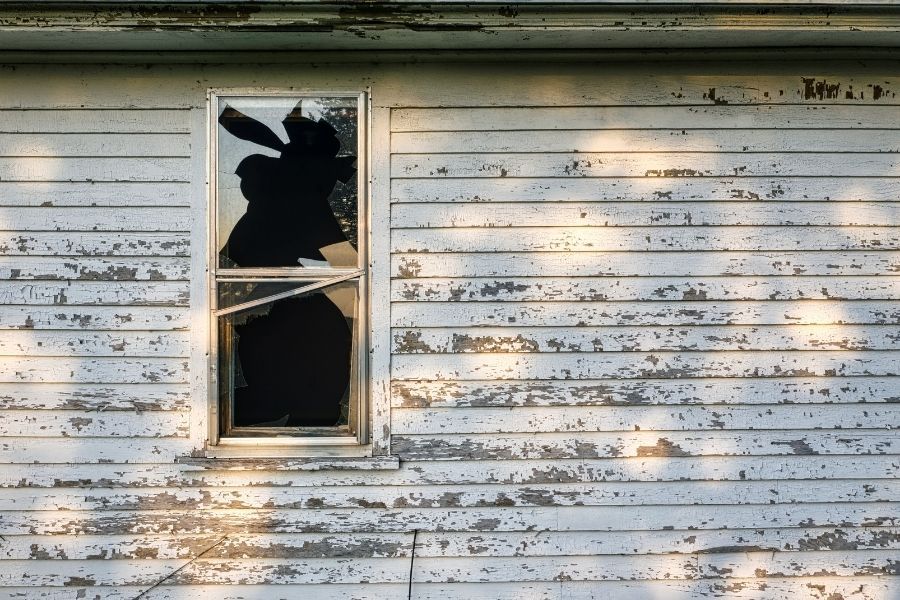
Wildfire heat can shatter windows and compromise structural integrity even in homes that weren't directly touched by flames. Secondary damage like this needs professional assessment before re-entry.
Our team at Swift Restoration and Remodeling handles reconstruction and rebuild work after fire events and helps homeowners navigate the insurance process. Whether you're in Layton, Kaysville, Farmington, or the Brigham City area, we're the team local families call when they need someone dependable. Our Brigham City service page has localized information for that region. For a deeper look at what recovery involves, our fire damage guide for Ogden homeowners is a great next read.
Frequently Asked Questions
When should Northern Utah homeowners start preparing for wildfire season?
Start in May, before peak temperatures arrive. Pack your go-bag, clear defensible space around your home, and confirm your evacuation zone before any fire activity begins. June through October is the peak risk window in Weber and Davis County.
How far does wildfire smoke travel, and is it dangerous indoors?
Wildfire smoke can travel hundreds of miles. Fine smoke particles penetrate indoor spaces even with windows closed. Running a HEPA air purifier and limiting outdoor time during smoke events protects your household, especially children and anyone with respiratory conditions.
What's the difference between smoke damage and fire damage for restoration purposes?
Fire damage is direct structural damage from flames and heat. Smoke damage involves soot, chemical residue, and odor that penetrate walls, HVAC systems, and belongings even in areas the fire never reached. Smoke damage is often underestimated and requires professional treatment to prevent ongoing health issues.
Does homeowners insurance cover wildfire damage in Utah?
Most standard homeowners policies cover wildfire damage, but details vary. Review your policy before fire season and confirm what's included for smoke damage, living expenses during displacement, and debris removal. Document all damage before cleanup and contact your insurer promptly.