Mold Growth Timeline After Water Damage in Utah's Climate
Updated On: July 9, 2026
Author: Darin Jenks
Water damage is stressful enough on its own. But there's a second problem that quietly starts the clock the moment moisture hits your walls, floors, or ceiling: mold. At Swift Restoration and Remodeling, our team fields calls every week from Weber County and Northern Utah homeowners who didn't realize how fast things could go sideways. If you've had a leak, a flood, or any water intrusion, understanding the mold growth timeline after water damage could save you thousands of dollars and a serious headache.
The short answer? Mold can begin colonizing within 24 to 48 hours. In Utah's climate, that window gets complicated in ways most homeowners don't expect.
Dealt with water damage recently?
Don't wait to find out if mold is already growing. Our IICRC-certified team responds fast and checks moisture levels before mold takes hold.
Contact Our Team TodayHow Fast Does Mold Actually Grow After Water Damage?
Mold spores are everywhere. Outdoors, indoors, floating through the air of practically every home. They're harmless at low levels. Give them moisture and an organic surface, and they get to work fast. According to the EPA's guide on mold and moisture, growth typically begins within 24 to 48 hours of a water event.
Here's what that looks like in a real home:
- 0-24 hours: Spores attach to wet surfaces. No visible growth yet, but colonization is underway.
- 24-48 hours: Germination begins on drywall, wood framing, insulation, and carpet backing. Still invisible.
- 3-7 days: Colonies become visible. Musty odors and surface staining appear.
- 1-3 weeks: Without intervention, mold spreads into wall cavities and structural materials.
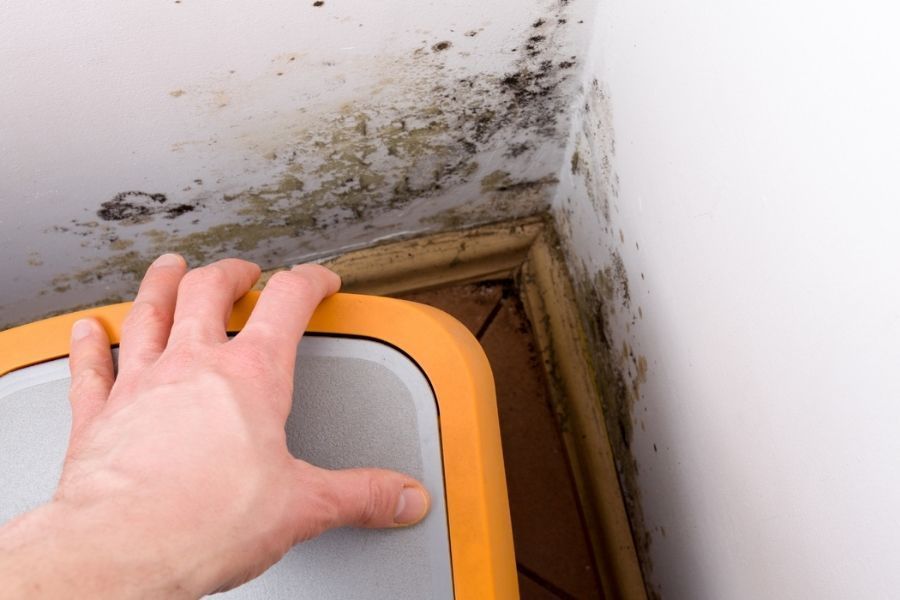
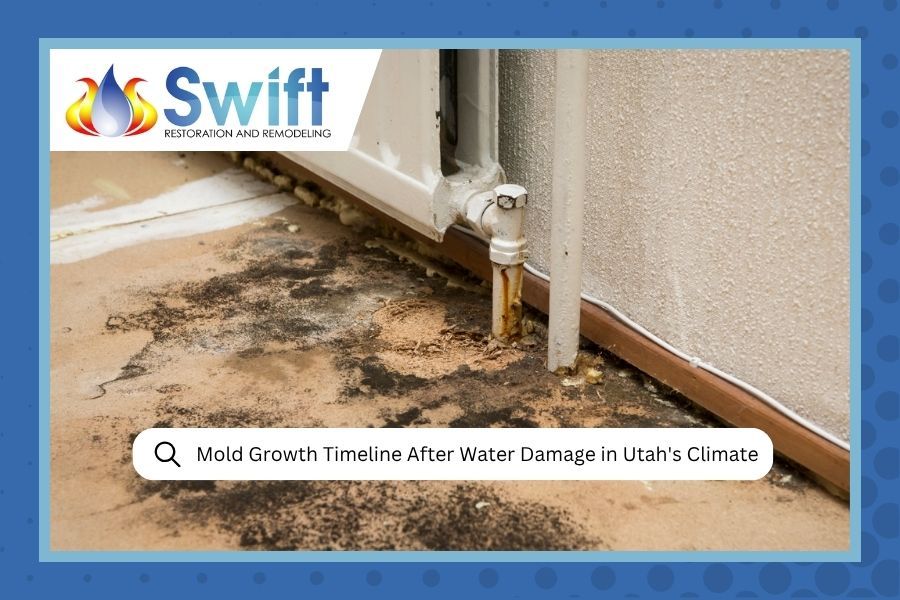
Mold colonies often appear first at the base of walls and along baseboards, where moisture collects and lingers longest after a water event.
That's a narrow window. In Utah, a few local conditions make it even tighter in some cases, and oddly extended in others.
Why Utah's Climate Makes Mold More Unpredictable
Utah has a reputation as a dry state. Most of the year, the Ogden area sits at 20-40% relative humidity, which can slow mold growth compared to coastal climates. But Utah also has specific moisture events that create perfect mold conditions very fast.
Spring Snowmelt and Runoff
Every spring, the Wasatch Mountains push enormous volumes of snowmelt into the valleys below. Homes across Ogden, Layton, Farmington, Kaysville, and Weber County deal with basement flooding, saturated soil pressing through foundations, and backed-up drainage systems. Moisture hits hard and fast. Meanwhile, cooler outdoor temperatures mean homeowners often skip running dehumidifiers, leaving damp conditions sitting longer than they should.
Our team at Swift Restoration and Remodeling sees a noticeable spike in mold calls every April and May. Wet basements that weren't fully dried in spring become mold problems by early summer.
Winter Pipe Bursts and Ice Dams
Burst pipes from freezing temperatures are a leading cause of water damage restoration calls from November through February. Ice dams push meltwater backward under shingles and into attic spaces. In winter conditions, mold growth is slower, but it still happens in enclosed spaces where insulation keeps things warm enough for spores to germinate. The bigger issue: winter water damage often goes undetected longer, giving mold a much longer runway.
Summer Humidity Spikes
August monsoon moisture can push Northern Utah's humidity up quickly after summer storms. Homes with minor existing intrusion issues, a slow foundation seep, an old window seal, a small roof leak, can go from minor annoyance to active mold problem during a humid stretch. Don't write off the small stuff.
The Mold Growth Timeline: What's Happening Inside Your Walls
This table covers what happens at each stage after a water damage event in a Northern Utah home, and which actions make the biggest difference.
| Timeframe | What's Happening | Utah Climate Factor | Best Move |
|---|---|---|---|
| 0-24 hrs | Spores attach to wet surfaces; absorption begins | Spring temps slow but don't stop spore activity | Extract water, ventilate, call for assessment |
| 24-48 hrs | Germination on drywall, wood framing, carpet | Low humidity slows surface drying; mold gains a foothold | Professional drying equipment; moisture mapping |
| 3-7 days | Visible colonies; musty odor develops | Late summer monsoon humidity accelerates spread | Mold inspection, testing, targeted remediation |
| 1-3 weeks | Colonies penetrate structural materials | Unheated winter spaces allow slow, steady spread | Full remediation required; partial removal won't solve it |
| 1 month+ | Deep structural damage; health symptoms possible | Weber County winters allow long-undetected crawl space growth | Structural assessment needed alongside mold removal |
Warning Signs You Might Already Have Mold
By the time mold is visible, it's been growing for a while. These are the earlier signals our IICRC-certified technicians look for on every assessment in Ogden and surrounding Northern Utah communities.
Smell Before You See It
A musty or earthy odor in a basement, closet, or bathroom often signals active mold nearby. Utah's dry air can mask odors early on, since lower humidity reduces airborne spore concentration. A clean-smelling room doesn't guarantee clean walls.
New Discoloration After a Water Event
Dark spots, green patches, or grey staining on drywall, grout, ceiling tiles, or wood surfaces point to active colonies. Any new discoloration after water intrusion should be treated as mold until tested otherwise. Don't paint over it.
Allergy-Like Symptoms That Clear Up Outside
Sneezing, congestion, or headaches that improve when you leave home are worth paying attention to. The CDC notes that mold exposure can trigger respiratory symptoms and allergic reactions, particularly in sensitive individuals. If your household feels better outdoors consistently, call for a professional mold inspection.
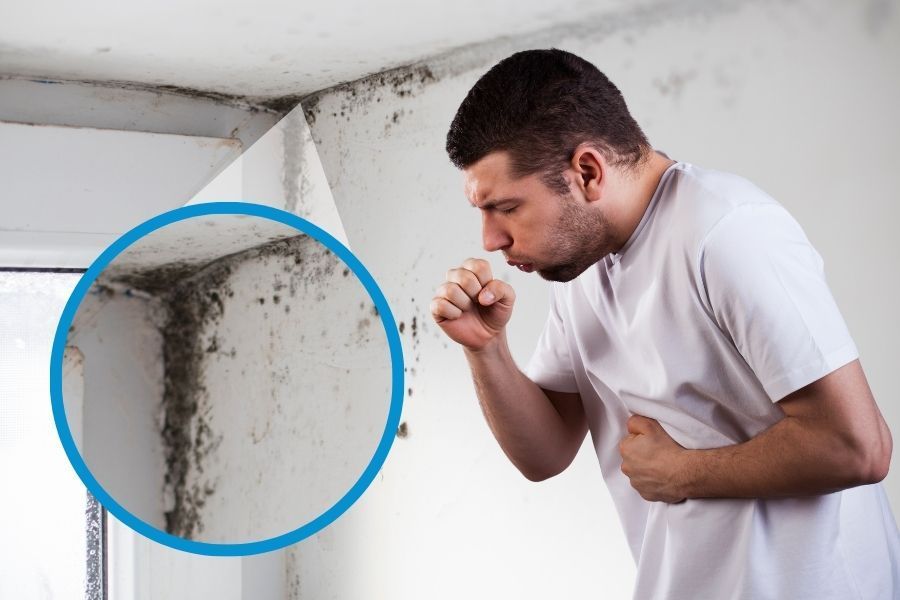
Persistent sneezing, congestion, and itchy eyes that improve when you step outside can be an early indicator of mold growth somewhere in your home.
Not sure if you have mold?
Our team uses moisture meters and thermal imaging to find what you can't see. Don't guess, get the facts.
View Our Mold Removal ServicesWhat to Do Before Professionals Arrive
You can't stop mold inside porous materials with DIY measures once it's started. But you can slow the spread before our team arrives. Here's what actually helps.
Do These Things Right Away
- Remove standing water with a wet vac if you have one
- Open windows and doors to increase airflow (when outdoor humidity is low)
- Run fans directed at wet areas to encourage surface drying
- Move furniture away from saturated flooring
- Document everything with photos and video for your insurance claim
Common Mistakes to Avoid
- Don't use a regular vacuum on wet materials; it spreads spores
- Don't paint over discoloration to seal it in; it doesn't stop mold and makes remediation harder
- Don't leave wet carpet or padding in place hoping it'll dry on its own
For a deeper look at prevention, our post on how to prevent mold after water damage covers what homeowners can realistically do on their own. And if you want the broader risk picture, our guide on the hidden dangers of water damage explains why fast action matters well beyond the visible surface.
Once mold has taken hold in drywall, insulation, or wood framing, those materials need to be removed, treated, and replaced. Our team handles this regularly across Ogden, Farmington, Layton, Bountiful, Brigham City, and the wider Weber County area. There's no shortcut that avoids the removal step, and we see the results of delayed action constantly: what could have been a two-day job turns into a multi-week project once mold penetrates deeper into the structure. If you're also dealing with structural damage from the water event itself, our reconstruction services handle the rebuild side too, so you're not managing two separate contractors through a stressful process.
The clock starts the moment water touches your home. Don't wait on this one.
Not sure which service you need first? Our Layton service area page has more information on how we serve Northern Utah communities, or browse our full list of restoration and remediation services to find the right starting point.
Frequently Asked Questions
How long does it take for mold to grow after a basement flood in Utah?
Mold can begin germinating within 24 to 48 hours of flooding, even in Utah's relatively dry climate. Spring snowmelt floods are especially risky because cool temperatures keep surfaces damp longer without triggering visible growth, giving mold more time to establish before homeowners notice anything wrong.
Does Utah's dry climate prevent mold growth after water damage?
Not reliably. While low ambient humidity slows surface drying, water trapped inside walls, under flooring, or in insulation stays wet regardless of outdoor conditions. Enclosed spaces maintain their own humidity levels, and mold only needs the moisture already present in saturated building materials to grow.
Can I dry out water damage myself and avoid mold?
Surface drying with fans and open windows slows early mold development but won't address moisture inside drywall, wood framing, or insulation. Professional equipment, including industrial dehumidifiers and moisture meters, is the only reliable way to verify that affected materials have reached safe moisture levels.
How do I know if I need mold remediation versus just drying services?
If water damage occurred more than 48 hours ago, or if you notice musty odors, discoloration, or soft surfaces, professional mold testing is the right next step. Drying addresses moisture; remediation addresses active biological growth. Many water damage situations in Northern Utah require both when the response is delayed.