How Professional Teams Handle Hazardous Materials During Restoration
Updated On: January 6, 2026
Author: Darin Jenks
Jump To:
When disaster strikes your home, the visible damage is only part of the story. Hidden beneath water-soaked drywall or behind fire-charred walls, hazardous materials can pose serious health risks to you and your family. That's why professional water damage restoration teams follow strict safety protocols that go far beyond simply cleaning up the mess.
At Swift Restoration and Remodeling, we've spent over 13 years handling everything from sewage backups to mold contamination, and we know that cutting corners on safety isn't an option. Here's what actually goes into protecting your family during hazardous material restoration.
Why Hazardous Material Handling Matters
Not all restoration jobs involve hazardous materials, but when they do, the stakes are high. Common hazmat situations we encounter in Ogden and Weber County include:
| Hazardous Material | Common Source | Health Risk |
|---|---|---|
| Category 3 Water (Black Water) | Sewage backups, flooding | Bacterial infections, diseases |
| Toxic Mold | Long-term moisture, water damage | Respiratory issues, allergic reactions |
| Asbestos | Older building materials | Lung disease, cancer |
| Lead Paint | Pre-1978 homes | Neurological damage, especially in children |
| Smoke Residue & Soot | Fire damage | Respiratory irritation, toxic chemical exposure |
Understanding the different types of water damage is crucial. Learn more about the 3 classifications of water damage and why Category 3 water requires specialized handling.
Need Emergency Restoration Services?
Our team is available 24/7 to handle hazardous material situations safely and effectively.
Contact Swift Restoration NowInitial Assessment and Safety Protocols
Before our team touches anything in your home, we conduct a thorough assessment. This isn't a quick walkthrough, it's a detailed evaluation that determines what hazards we're dealing with and what safety measures we need to implement.
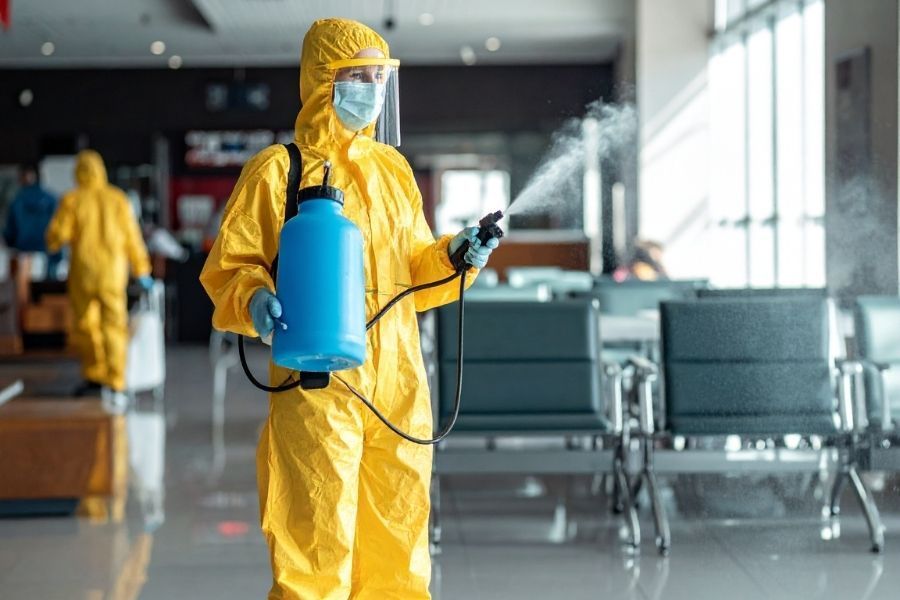
Professional restoration requires proper protective equipment to ensure worker and homeowner safety.
Our Assessment Checklist:
- Identify contamination type and source: Water category classification, mold species identification, or chemical composition of fire residue
- Determine affected areas: Visible damage is mapped, but we also check hidden spaces like wall cavities and crawlspaces
- Evaluate structural integrity: Compromised structures can release hazardous materials like lead paint dust or asbestos fibers
- Select appropriate PPE: Full-body suits, respirators, gloves, and eye protection are chosen based on specific hazards
- Plan containment strategy: We design containment zones before work begins to prevent cross-contamination
This systematic approach follows EPA guidelines for hazardous material handling, ensuring we're not just guessing about what protective measures are needed. For more on identifying hidden dangers, check out our guide on recognizing the hidden dangers of water damage.
Containment and Isolation Procedures
Once we know what we're dealing with, containment becomes the priority. Think of it like quarantining a sick patient, you don't want the problem spreading to healthy areas of your home.
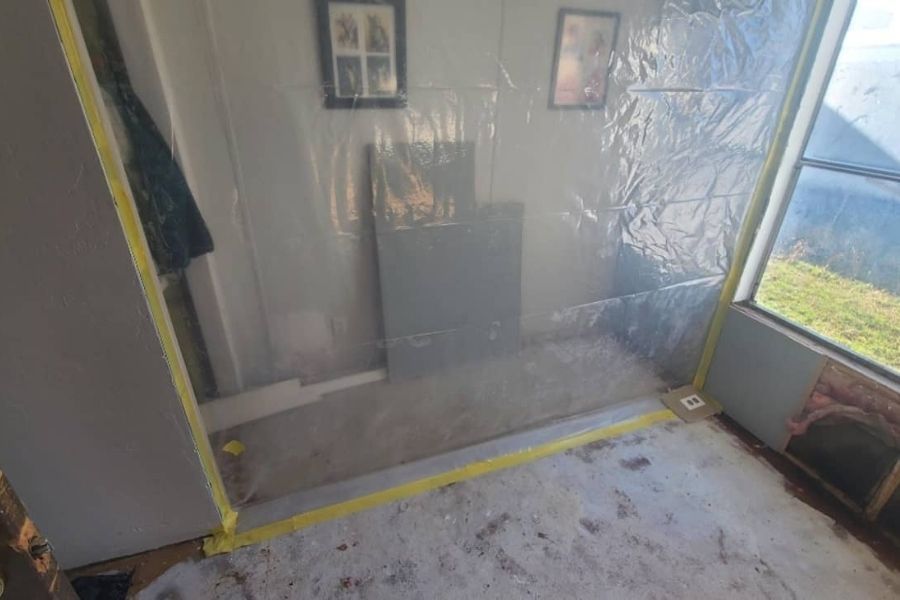
Proper containment prevents hazardous materials from spreading throughout your property during cleanup.
How We Create Safe Work Zones:
Physical Barriers: We install heavy-duty plastic sheeting to seal off work areas from the rest of your home. These aren't flimsy tarps, they're commercial-grade barriers that create airtight seals around doors, vents, and openings.
Negative Air Pressure: Specialized air filtration machines create negative pressure inside the containment zone. This means air flows into the work area but doesn't escape, trapping contaminants inside. The air that does exit passes through HEPA filters that capture 99.97% of particles.
Controlled Entry and Exit: We establish decontamination zones where team members remove protective equipment and clean tools before leaving the work area. This prevents tracking hazardous materials through your home.
For sewage cleanup jobs in particular, containment is absolutely critical because Category 3 water contains harmful bacteria and pathogens that can make people seriously ill.
Safe Removal and Proper Disposal
Here's where training and experience really matter. Removing hazardous materials isn't about working faster, it's about working smarter to minimize exposure and prevent cross-contamination.
Our Removal Process:
- Material-Specific Techniques: Mold requires careful removal to prevent spore dispersal. Sewage-contaminated materials are treated as biohazards. Lead paint is removed using wet methods to control dust.
- Specialized Equipment: HEPA vacuums, antimicrobial treatments, and professional-grade cleaning solutions tackle different hazards effectively.
- Documentation: We photograph and document every step, especially important for insurance claims.
- Regulated Disposal: Hazardous materials can't just go in a dumpster. We follow EPA and state regulations for proper disposal at approved facilities.
When we handle mold removal projects in Ogden homes, we often see homeowners who tried DIY solutions first. Unfortunately, improper handling usually makes the problem worse by spreading spores throughout the house. Professional removal prevents this domino effect.
💡 Pro Tip
Never attempt to clean up sewage, extensive mold growth, or fire damage on your own. The health risks far outweigh any money you might save, and improper handling can actually increase restoration costs by spreading contamination to previously unaffected areas.
Post-Cleanup Verification and Clearance
We don't just pack up and leave once the visible contamination is gone. Verification testing ensures the job is truly complete and your home is safe for occupancy.
Final Steps Before Clearance:
- Air Quality Testing: For mold and fire damage projects, we conduct post-remediation air sampling to verify spore counts or chemical levels are within safe ranges
- Surface Testing: We test surfaces in and around the work area to confirm no residual contamination remains
- Visual Inspection: A final walkthrough checks every corner of the work zone and adjacent areas
- Third-Party Verification: For major projects, independent testing provides additional peace of mind
- Clearance Documentation: You receive detailed reports showing before and after test results
This verification process is especially important for families with young children, elderly members, or anyone with respiratory conditions. According to the CDC, vulnerable populations are more susceptible to health effects from mold and other indoor air contaminants.
Once clearance testing confirms everything is safe, we can begin the reconstruction phase to restore your home to its pre-loss condition.
Serving Weber County and Northern Utah
We provide professional hazardous material handling and restoration services throughout Layton, Farmington, Kaysville, and surrounding communities.
Frequently Asked Questions
How long does hazardous material removal typically take?
The timeline varies significantly based on the type and extent of contamination. A small mold remediation project might take 2 to 3 days, while extensive sewage cleanup or fire damage restoration can take 1 to 2 weeks. We provide a detailed timeline during our initial assessment and keep you updated throughout the process.
Can I stay in my home during hazardous material cleanup?
It depends on the situation. For minor, contained projects with proper containment barriers, you may be able to stay in unaffected areas. However, for sewage backups, extensive mold growth, or major fire damage, we typically recommend temporary relocation for your safety. We'll give you clear guidance based on your specific situation.
What certifications should a restoration company have for hazmat work?
Look for IICRC (Institute of Inspection, Cleaning and Restoration Certification) credentials, specifically in water damage restoration, mold remediation, and fire and smoke restoration. Companies should also carry proper licensing and insurance. At Swift Restoration, our team maintains current certifications and follows all EPA and OSHA guidelines for hazardous material handling.
Will my insurance cover hazardous material removal and restoration?
Most homeowner's insurance policies cover hazardous material cleanup when it results from a covered loss like water damage, fire, or storm damage. However, coverage for mold can be limited depending on the cause. We work directly with insurance companies and can help you navigate the claims process to maximize your coverage. The key is acting quickly, as delays can lead to denied claims.
Professional Restoration When You Need It Most
Hazardous material situations require immediate professional attention. Our team at Swift Restoration and Remodeling has over 13 years of experience safely handling every type of contamination, from sewage backups to fire damage. We're available 24/7 for emergency services throughout Weber County and northern Utah.
Call us at (385) 412-8633 or contact us online for immediate assistance.