Emergency Supply Kit Essentials for Northern Utah Property Owners
Updated On: December 30, 2025
Author: Darin Jenks
Jump to Section:
Here in Northern Utah, we know Mother Nature doesn't always play nice. Whether it's spring runoff flooding your basement, a winter storm knocking out power, or an unexpected pipe burst at 2 AM, being prepared isn't just smart, it's necessary. As a team that's been handling water damage restoration throughout Ogden and Weber County for over 13 years, we've seen firsthand how a well-stocked emergency kit can make all the difference between a manageable situation and a full-blown disaster.
The good news? Putting together an emergency supply kit doesn't require a PhD or a massive budget. It just takes a little planning and knowing what actually matters when things go sideways. Let's walk through what you need to have on hand so you're ready for whatever comes your way.
Why Emergency Preparedness Matters in Northern Utah
Look, nobody wants to think about disasters happening. But if you've lived in Weber County for more than a few years, you've probably experienced at least one emergency situation, whether it's a basement that flooded during spring melt, a wildfire scare, or a winter storm that left you without power for days.
The reality is that Northern Utah faces some unique challenges. Our dramatic seasonal changes bring heavy snowmelt in spring that can overwhelm drainage systems, brutal winter storms that can knock out utilities, and the occasional earthquake that reminds us we're living in seismically active territory. According to Ready.gov, having supplies on hand for at least 72 hours is essential for any household. Having an emergency kit isn't about being paranoid, it's about being prepared so you can protect your family and your property when something unexpected happens.
Dealing with Water Damage or Storm Damage?
Our team at Swift Restoration and Remodeling is available 24/7 for emergency restoration services in Ogden and the surrounding areas.
Fill Out This Form for a Free EstimateThe Essential Categories: What Your Kit Needs
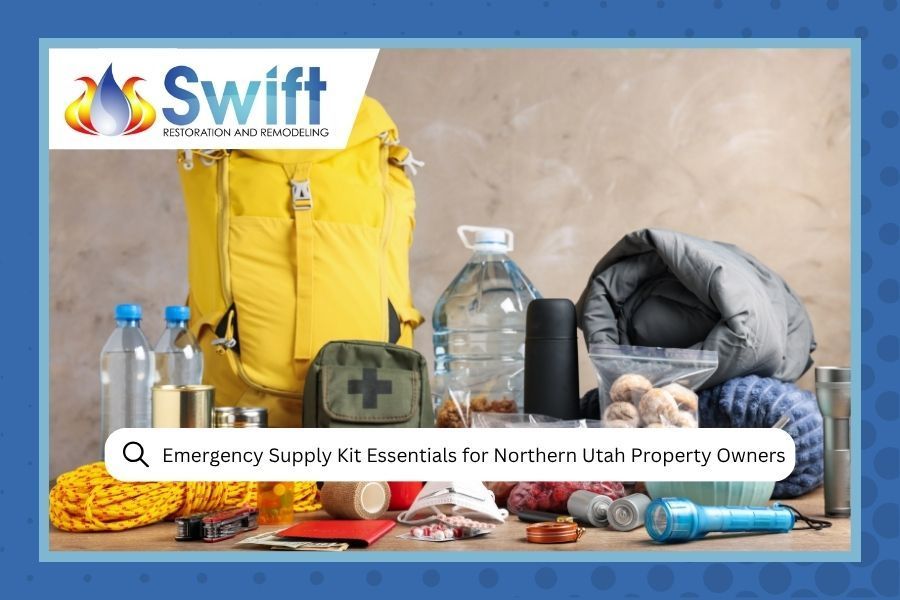
Think of your emergency supply kit in categories. You need stuff to keep you safe and comfortable, things to handle emergencies, and supplies specific to protecting your home. Here's the breakdown:
Emergency Kit Categories at a Glance
💧 Water & Food (3-Day Minimum)
1 gallon per person per day. Non-perishable foods that don't require cooking. Don't forget pets!
🏥 First Aid & Medical
Basic first aid supplies plus prescription medications (1-week supply) and pain relievers.
🔦 Power & Light
Multiple flashlights, extra batteries, hand-crank radio, and portable phone chargers.
🔧 Tools & Equipment
Utility knife, wrenches, duct tape, plastic sheeting for emergency repairs and utility shutoffs.
🧤 Warmth & Hygiene
Blankets, warm clothing, hand warmers, toiletries, and sanitation supplies.
📄 Documents & Cash
Waterproof container with IDs, insurance papers, and $200-500 in small bills.
Water and Food Supplies
Water is always number one. Store at least one gallon per person per day, and plan for a minimum of three days. That's three gallons per person just for drinking and basic hygiene. If you've got pets, don't forget to account for them too.
For food, focus on non-perishable items that don't require cooking. Think canned goods, protein bars, dried fruit, peanut butter, and crackers. Rotate these supplies every six months so nothing goes bad, and make sure you actually like what you're storing. Nobody wants to survive on foods they hate.
First Aid and Medical Supplies
A good first aid kit is non-negotiable. Beyond the basics like bandages and antiseptic, include any prescription medications your family needs (ideally a week's supply), pain relievers, antibiotic ointment, and tools like tweezers and scissors. If anyone in your household has specific medical needs, like an EpiPen or inhaler, make sure those are easily accessible.
Power and Light Sources
When the lights go out, you need backup. Keep several flashlights with extra batteries (LED flashlights last longer and are more reliable). Battery-powered or hand-crank radios are essential for getting weather updates and emergency information. Consider a portable phone charger or solar-powered charging device, too, because let's face it, our phones are lifelines these days.
Tools and Emergency Equipment
This is where being prepared for property-specific emergencies comes in. Keep a utility knife, adjustable wrench, duct tape, and plastic sheeting on hand. These tools can help you shut off utilities, patch leaks temporarily, or seal off damaged areas. We've seen situations where having emergency board up supplies or even just heavy-duty plastic sheeting prevented thousands of dollars in additional water damage.
Learn More About Water Damage Restoration →| Category | Essential Items | Quantity/Notes |
|---|---|---|
| Water & Food | Water, canned goods, protein bars, manual can opener | 1 gallon/person/day for 3+ days |
| First Aid | Bandages, antiseptic, medications, pain relievers | Week's supply of prescriptions |
| Power & Light | Flashlights, batteries, radio, phone charger | Multiple light sources |
| Tools | Utility knife, wrench, duct tape, plastic sheeting | For shutting off utilities |
| Warmth | Blankets, warm clothing, hand warmers | Enough for all family members |
| Documents | IDs, insurance papers, bank records, property deeds | Keep in waterproof container |
| Cash | Small bills | $200-500 recommended |
| Hygiene | Toiletries, toilet paper, hand sanitizer, trash bags | Two-week supply |
Northern Utah-Specific Considerations
Living in Northern Utah means dealing with weather that can flip from one extreme to another pretty quickly. Your emergency kit should reflect that reality.
Winter Storm Essentials
If you've lived through a Weber County winter, you know how brutal they can be. Keep extra blankets, sleeping bags, and warm clothing in your kit. Hand warmers and heat packs are lightweight and can be lifesavers if your heating system fails. Also, consider storing rock salt or sand for icy conditions, and make sure you have a snow shovel that's actually accessible (not buried under everything else in your garage). Our guide on winter pipe burst prevention has additional cold-weather preparation tips that can help protect your home.
Spring Flooding Preparation
Spring runoff is a fact of life around here. Every year, we respond to calls about flooded basements when the snow melts too fast. Understanding the common causes of water damage specific to our region can help you prepare better. In addition to your general emergency supplies, keep a sump pump (battery-powered if possible) and know where your main water shut-off valve is located. Sandbags can help redirect water away from your foundation, and a wet/dry vacuum is invaluable for cleanup.
Earthquake Readiness
We don't talk about it much, but Northern Utah sits on active fault lines. After an earthquake, you might need to secure your home quickly. Keep plastic sheeting, plywood, and nails available for covering broken windows. A pipe wrench can help you shut off gas lines if needed, which is critical for preventing fires or explosions after significant shaking.
Water Damage Prevention and Response Supplies
Since we're restoration professionals, let's talk about protecting your property from water damage specifically. These aren't always included in standard emergency kit lists, but trust us, they're worth having.
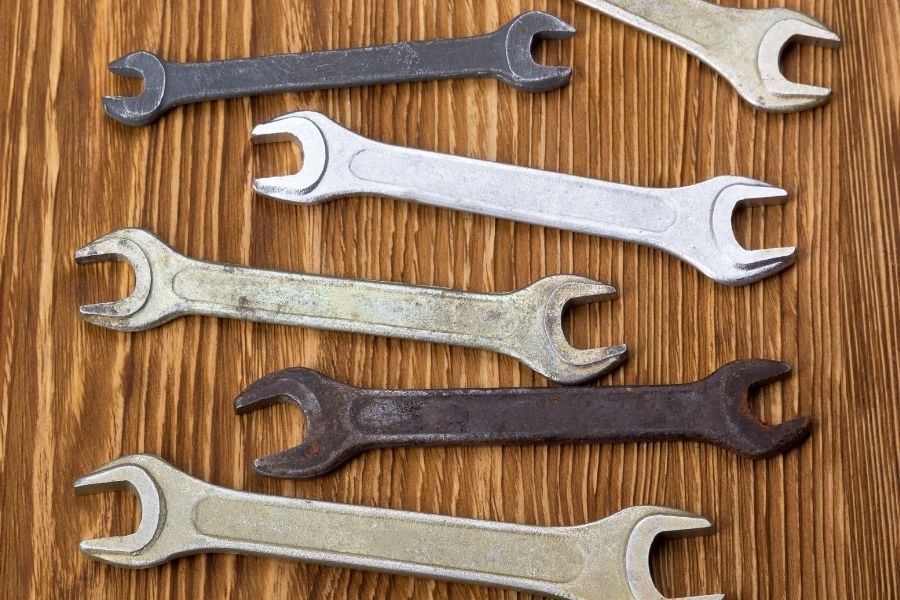
Keep multiple sizes of adjustable wrenches in your emergency kit for quickly shutting off water valves during a plumbing emergency.
Water Detection and Shutoff Tools
Keep a set of tools specifically for water emergencies. This includes adjustable wrenches in multiple sizes (for shutting off water valves), a bucket or two, towels you don't mind getting ruined, and a mop. If you're dealing with leak detection, having a moisture meter can help you identify hidden water problems before they become major issues. Learning how to detect water damage early is crucial for homeowners throughout the Ogden and Layton area.
Temporary Mitigation Supplies
When water damage strikes, the first 24-48 hours are critical. Heavy-duty plastic sheeting (at least 6 mil thickness) can protect furniture and electronics. Fans help with air circulation to prevent mold growth. Rubber gloves protect your hands when dealing with potentially contaminated water. And don't underestimate the power of a good squeegee for moving standing water toward drains.
Important Documents and Digital Backups
Here's something people often overlook until it's too late: protecting important paperwork. Keep copies of your insurance policies, property deeds, bank account information, and identification documents in a waterproof and fireproof container. Better yet, scan everything and keep digital backups on a USB drive or in secure cloud storage.
After working on insurance claims for over a decade, we can't stress this enough, having immediate access to your insurance information can dramatically speed up the restoration process after water damage or other disasters. Make sure you also have recent photos of your home's interior and exterior, plus major belongings, for insurance documentation purposes.
Maintenance and Storage Tips
Having an emergency kit doesn't do you much good if it's expired, inaccessible, or falling apart. Set a reminder to check your supplies twice a year (we recommend when you change your clocks for daylight saving time). Replace expired food, medications, and batteries. Update documents as needed. Make sure everyone in your household knows where the kit is stored and how to use the supplies.
Store your kit in a cool, dry place that's easily accessible. The garage might seem logical, but extreme temperatures can damage food and batteries. A hall closet or basement storage area (assuming it doesn't flood) usually works better. Consider keeping a smaller, portable version in your car as well.
Beyond the Kit: Creating an Emergency Plan
Supplies are only half the equation. Your family needs a plan for what to do when disaster strikes. Designate a meeting place if you need to evacuate. Identify an out-of-state contact person everyone can check in with (local lines might be jammed). Make sure every household member knows how to shut off utilities like water, gas, and electricity.
Sit down with your household to create and practice an emergency plan so everyone knows what to do when disaster strikes.
Practice your emergency plan at least once a year. Yes, it might feel silly, but when you're dealing with a real emergency, muscle memory and preparation make a huge difference. Our crews have responded to enough crisis situations to know that people who have practiced their emergency procedures handle disasters much more effectively.
Need Professional Help After a Disaster?
Don't wait until water damage gets worse. Our experienced team at Swift Restoration and Remodeling provides 24/7 emergency services throughout Weber County.
Reach Out Through This Online FormCall us at (385) 412-8633
What to Do When Disaster Strikes
Even with the best emergency kit, some situations require professional help. If you're dealing with significant disaster cleanup, don't try to tackle it alone. Water damage, in particular, can quickly lead to structural issues and mold growth if not handled properly.
For severe flooding situations, our team follows FEMA's flood safety guidelines and works with the CDC's recommended cleanup protocols to ensure your property is properly restored and safe for occupancy.
Additional Resources for Northern Utah Residents
Stay informed about local emergency services and weather alerts. The Weber County Emergency Management website provides updates on local hazards and preparedness information specific to our area. Sign up for emergency alert systems through your city to get real-time notifications about severe weather, evacuations, or other urgent situations.
For those interested in more detailed emergency preparedness information, our post on emergency preparation checklists for Ogden Valley homeowners goes into even greater depth about seasonal considerations and local hazards.
Frequently Asked Questions
For a family of four, you can put together a solid emergency kit for around $150 to $300. Start with the basics (water, food, flashlights) for about $100, then add specialized items based on your specific needs and Northern Utah's seasonal challenges. You don't need to buy everything at once. Pick up a few items each shopping trip and build your kit over a couple of months.
Choose a location that's easily accessible but protected from extreme temperatures and moisture. A hall closet on your main floor works well. Avoid attics (too hot in summer) and unfinished basements (flooding risk in spring). If your basement is finished and doesn't have water problems, that can work too. Keep a smaller portable kit in your vehicle for emergencies when you're away from home.
Check your kit every six months, ideally when you change your clocks for daylight saving time in spring and fall. Replace expired food items, rotate water supplies, test flashlights and batteries, and update any documents or medications. Also review your kit before severe weather seasons, particularly before winter storms and spring runoff periods here in Northern Utah.
First, shut off the water source if possible to stop additional damage. Then, if it's safe, move valuable items and furniture away from the affected area. Document the damage with photos for insurance purposes. Contact a professional water damage restoration company within 24 hours, as this is the critical window for preventing mold growth and structural damage. If the water is from a sewage backup or contaminated source, avoid contact and call professionals immediately without attempting cleanup yourself.
Final Thoughts
Look, we get it. Putting together an emergency kit and planning for disasters isn't the most exciting weekend project. But after years of helping Weber County homeowners recover from floods, storms, and other emergencies, we've seen too many situations where a little preparation could have prevented a lot of heartache (and expensive repairs).
Your emergency kit isn't just about having stuff, it's about peace of mind. It's about knowing that when something goes wrong, and eventually something will, you've got the tools and supplies to keep your family safe and minimize damage to your property.
Start small if you need to. Get water and flashlights this week. Add food supplies next week. Build up your kit over time. The important thing is to start. Because when you're dealing with a basement full of water at midnight during a spring storm, you'll be really glad you did.
And remember, for situations that go beyond what your emergency kit can handle, we're here. Swift Restoration and Remodeling has been serving Ogden and Weber County for over 13 years, and we're available 24/7 for emergency situations. Stay safe out there, and stay prepared.