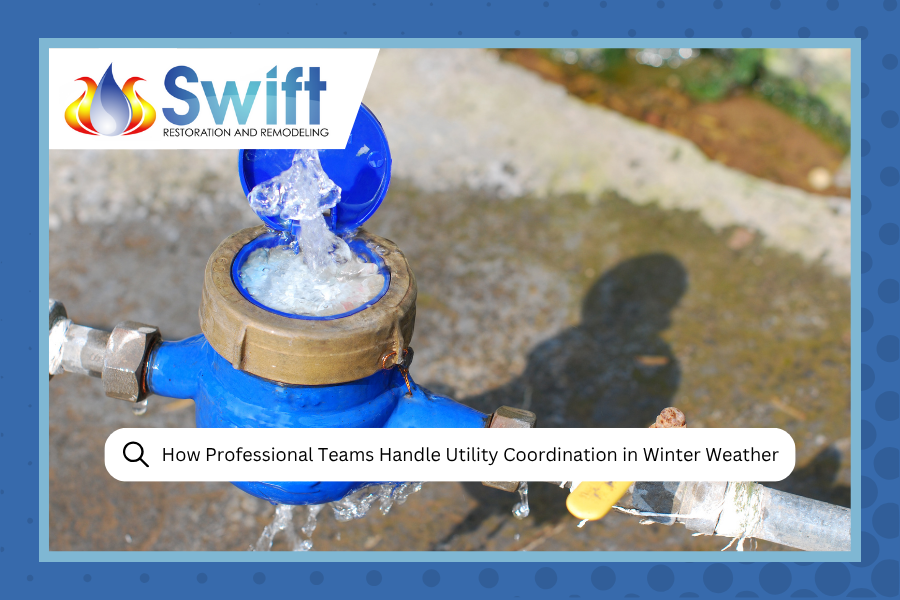
How Professional Teams Handle Utility Coordination in Winter Weather
Updated On: December 9, 2025
Author: Darin Jenks
Jump to Section:
- Why Winter Weather Makes Utility Coordination Critical
- The Utility Coordination Checklist for Winter Emergencies
- Working With Multiple Utility Companies Simultaneously
- Safety Protocols During Winter Utility Work
- Documentation and Insurance Coordination
- Common Winter Utility Coordination Challenges
- Technology and Tools That Help
- What Homeowners Should Know Before Emergencies Happen
- Frequently Asked Questions
When winter storms hit Northern Utah, the last thing anyone wants to think about is coordinating with utility companies while dealing with frozen pipes or water damage restoration needs. But here's something you might not know: professional restoration teams spend a significant chunk of their emergency response time coordinating with utility providers. It's not the glamorous part of restoration work, but it's absolutely essential when temperatures drop and systems start failing.
Winter weather creates unique challenges that go way beyond just fixing what's broken. Between coordinating water shutoffs, managing power disruptions, and working with gas companies to ensure safety, there's a whole symphony of moving parts that need to work together. And when the mercury dips below freezing in Weber County, things get complicated fast.
Why Winter Weather Makes Utility Coordination Critical
Let's be honest, coordinating utilities during summer emergencies is challenging enough. But winter? That's a whole different ballgame. When we're talking about frozen conditions, the stakes get higher and the timeline gets tighter.
The Domino Effect of Cold Weather
Here's what happens in those first critical hours when winter weather causes damage. First, pipes freeze and burst. Then water starts flowing where it shouldn't. Meanwhile, heating systems may be compromised, electrical systems could be at risk from water intrusion, and suddenly you're not dealing with just one problem, you're managing four or five simultaneously.
The thing is, you can't just shut off one utility without considering how it affects the others. Turn off the heat to work on pipes, and you risk more freezing. Cut the power without planning, and sump pumps stop working. It's like playing chess where every move impacts three other pieces.
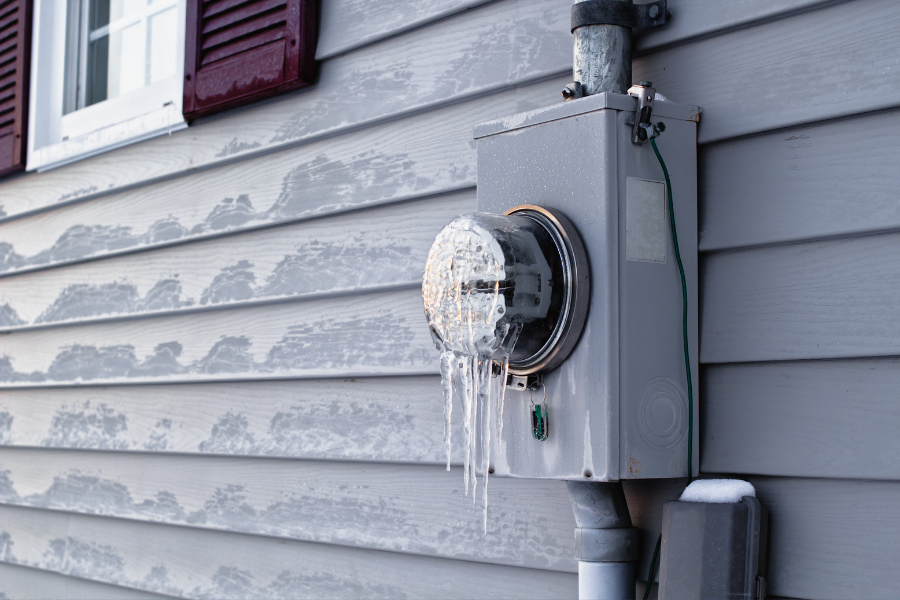
Frozen utility meters can complicate emergency shutoffs and require specialized coordination with power companies during winter emergencies.
Response Time Realities in Weber County
Winter weather doesn't just affect homes, it affects response times too. Utility companies in Ogden and the surrounding areas deal with increased call volumes when temperatures plummet. Roads can be treacherous, which slows everyone down. According to Ready.gov's winter weather guidance, having an emergency plan that includes utility contacts is essential for severe weather preparedness. That's why professional teams build relationships with utility providers ahead of time and know exactly who to call and what information they'll need.
5 Critical Steps in Winter Utility Coordination
Assess the Situation Quickly
Identify which utilities are involved, the severity of the emergency, and immediate safety concerns. Document everything with photos and notes.
Prioritize Safety First
If gas or electrical hazards exist, evacuate if necessary and contact emergency services. Safety always trumps property protection.
Contact Utility Providers
Call appropriate utility companies with your account numbers ready. Clearly explain the emergency and any safety concerns. Get estimated response times.
Implement Temporary Measures
While waiting for utility companies, take safe temporary actions to minimize damage, such as shutting off accessible valves or positioning temporary heating.
Coordinate Restoration Timeline
Once utilities are secured, coordinate with restoration professionals to plan the repair sequence that prevents additional cold weather damage.
Dealing With a Winter Emergency?
Our team at Swift Restoration and Remodeling coordinates with utility companies 24/7 so you don't have to. We handle the logistics while you stay warm and safe.
Fill Out This Online Form for a Free QuoteOr call us at (385) 412-8633
The Utility Coordination Checklist for Winter Emergencies
Professional restoration teams don't just wing it when winter emergencies strike. There's a systematic approach that ensures nothing gets missed and everyone stays safe. Here's what goes into coordinating utilities during cold weather emergencies.
| Utility Service | Key Coordination Steps | Winter-Specific Considerations |
|---|---|---|
| Water Service | Contact municipal water department, locate main shutoff, verify pressure levels | Lines may be frozen beyond property, municipalities may need to thaw before shutoff |
| Natural Gas | Contact Dominion Energy or provider, clear access to meters, ensure proper ventilation | Ice buildup on meters, snow blocking access, increased demand on system |
| Electricity | Coordinate with Rocky Mountain Power, map affected circuits, plan for temporary power | Frozen ground complicates repairs, ice on lines, need for heating during restoration |
| Sewer/Septic | Verify system functionality, coordinate pump-outs if needed, check for freeze damage | Frozen lateral lines, backup risks increase with frozen ground |
Working With Multiple Utility Companies Simultaneously
Now here's where it gets interesting. Most winter emergencies don't involve just one utility. You're usually coordinating with at least two or three companies at once, and each one has its own protocols, response times, and requirements.
Communication Chains That Actually Work
Professional teams maintain current contact information for emergency dispatch at all major utility providers. But it's not just about having phone numbers. It's about knowing the right language to use, understanding their priority systems, and being able to clearly communicate the urgency and scope of the situation.
For example, when calling about a gas line issue near water damage, the keyword "water intrusion near gas meter" gets a much faster response than just saying "we need someone to look at the gas." Professionals know these nuances because they've built relationships over years of coordinating emergencies.
Managing Conflicting Timelines
Here's a scenario we see often in Layton and Farmington during winter: water service says they can shut off the main in two hours, but the electrician needs power cut first and can't get there for three hours. Meanwhile, water is actively causing damage. Professional teams know how to prioritize, create temporary solutions, and keep all parties coordinated so restoration can begin as quickly and safely as possible.
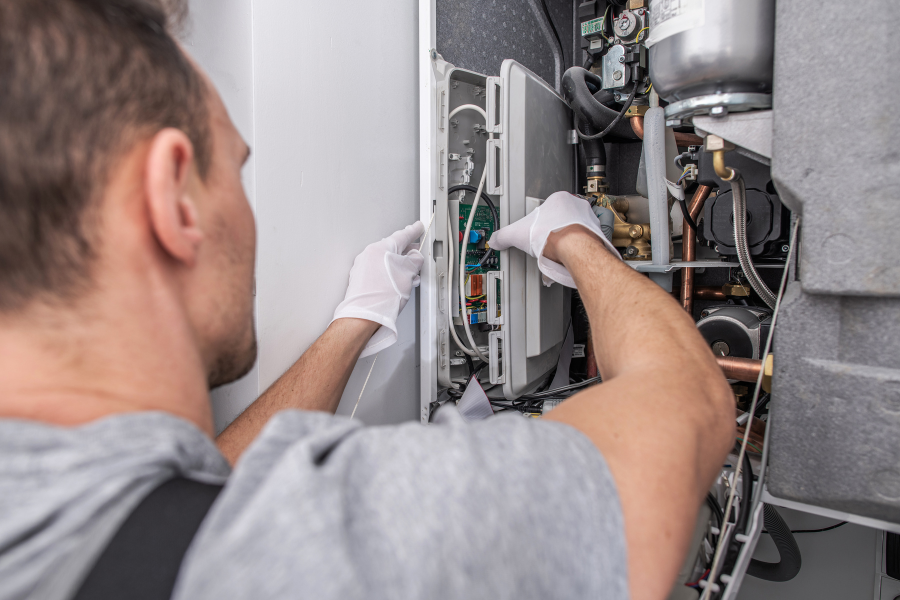
Professional coordination ensures heating systems remain operational during utility work, preventing additional freeze damage during winter restoration projects.
Safety Protocols During Winter Utility Work
Safety isn't just a buzzword when you're coordinating utilities in freezing temperatures. It's literally the difference between a successful restoration and a catastrophe. Professional teams follow strict protocols that consider both the immediate emergency and the cold weather conditions. OSHA emergency preparedness guidelines emphasize the importance of proper safety coordination during disaster response, which includes careful utility management.
Carbon Monoxide Concerns
When heating systems are compromised or alternative heating is brought in during winter restoration work, carbon monoxide monitoring becomes critical. Professional teams bring CO detectors, ensure proper ventilation, and coordinate with gas companies to verify system integrity before restoration begins.
Preventing Additional Freeze Damage
While coordinating utility shutoffs and repairs, professionals have to think ahead about preventing new problems. If the heat goes off for three hours while working on electrical issues, what pipes are at risk? Do temporary heaters need to be positioned? Is there adequate insulation? These questions get answered before any utility gets shut down.
Documentation and Insurance Coordination
Here's something homeowners often don't think about until it matters: insurance companies want detailed documentation of utility coordination during emergencies. Professional restoration teams know this and document everything from the start.
That means recording every call to utility companies, photographing meter readings, documenting shutoff times and restoration times, and keeping detailed notes about who authorized what and when. When you're dealing with insurance claims after winter damage, this documentation can make the difference between smooth approval and a lengthy dispute.
Common Winter Utility Coordination Challenges
Let's talk about what actually goes wrong and how pros handle it. Because even with perfect planning, winter throws curveballs.
When Utility Companies Can't Respond Immediately
During major winter storms, utility companies get overwhelmed. Everyone's pipes are freezing, everyone's power is out, and response times stretch from hours to potentially days. Professional teams have backup plans: they know how to safely create temporary shutoffs, have relationships with emergency service contractors, and can implement interim solutions that prevent further damage while waiting for official utility response.
Frozen Infrastructure Beyond Your Property
Sometimes the problem isn't just your pipes, it's the municipal infrastructure that's frozen. We've seen situations in Kaysville where the city's water lines were frozen, making individual property shutoffs impossible until the municipality could thaw their lines. Professional teams recognize these situations quickly and coordinate with homeowners and insurance companies to document the unique circumstances. Winter damage isn't limited to frozen pipes either; understanding how to prevent ice dam water damage is another critical aspect of winter home protection.
Access Issues in Severe Weather
Heavy snow can bury utility access points. Ice can make meter locations hazardous to reach. Professional teams come prepared with the right equipment to safely access utilities regardless of weather conditions, and they coordinate with utility companies about access challenges before crews arrive.
Technology and Tools That Help
Modern restoration isn't just about knowing who to call. It's about having the right technology to coordinate efficiently, especially when dealing with winter disaster cleanup.
Thermal Imaging for Better Coordination
Professional teams use thermal imaging cameras to identify exactly where problems exist before calling utilities. This means they can tell the water company exactly which section of line is affected, or show the gas company precisely where a leak might be forming. This level of detail speeds up response times significantly.
Digital Communication Platforms
Many utility companies now offer apps and online portals for emergency communication. Professional teams stay current with these platforms, which can provide faster response times than traditional phone calls during peak emergency periods. They also use project management software to keep all stakeholders, including homeowners and insurance adjusters, updated in real time.
Why DIY Utility Coordination Is Risky in Winter
Look, we get it. In an emergency, the instinct is to handle everything yourself as quickly as possible. But coordinating utilities during winter emergencies has real risks if you don't know what you're doing.
First, there's the safety factor. Shutting off the wrong thing in the wrong order can create dangerous situations. Second, improper coordination can actually increase damage. We've seen cases where well-meaning homeowners shut off heat to address a water problem, only to cause additional pipes to freeze and burst.
Third, and this is important for insurance purposes, improperly coordinated utility shutoffs can potentially void coverage or create liability issues. Professional teams know how to coordinate in ways that protect both the property and the homeowner's interests.
What Homeowners Should Know Before Emergencies Happen
While professional coordination is valuable, there are things every Weber County homeowner should know before winter emergencies strike. Being prepared makes coordination faster and more effective when you do need to call in the pros.
Know Your Utility Account Numbers
Sounds basic, but when calling utility companies in an emergency, having your account numbers ready speeds up everything. Keep a list of all utility account numbers in an easily accessible place, and consider storing them in your phone.
Understand Your Property's Utility Layout
Know where your main water shutoff is located, where your electrical panel sits, and where the gas meter is positioned. If you're not sure, take the time to learn before temperatures drop. Better yet, take photos and keep them with your utility account information. Our guide on emergency water shut-off locations provides detailed information about locating and operating these critical controls.
Keep Access Points Clear
Throughout winter, make sure utility access points aren't buried in snow or blocked by ice. This simple step can save valuable response time when emergencies happen. And if you know a storm is coming, clear these areas proactively.
Building Relationships With Local Utility Providers
Professional restoration companies don't just react to emergencies, they build relationships with utility providers during non-emergency times. These relationships pay dividends when the pressure is on.
At Swift Restoration and Remodeling, we maintain regular communication with Rocky Mountain Power, Dominion Energy, and local municipal water departments. We understand their protocols, know their winter response procedures, and have established contacts for emergency situations. This groundwork means faster response times and smoother coordination when our clients need it most.
The Role of Municipal Services in Winter Coordination
Don't forget about city and county services in the coordination equation. In Northern Utah, municipal services play a crucial role in winter utility coordination, especially when it comes to water and sewer systems.
Professional teams know how to coordinate with Ogden City Public Services, Davis County utilities, and other municipal departments. We understand permit requirements for emergency work, know how to coordinate street access when needed, and can navigate the bureaucratic requirements even in emergency situations.
Frequently Asked Questions About Winter Utility Coordination
How long does utility coordination typically take during winter emergencies in Ogden?
Response times vary significantly based on weather severity and overall system demand. During normal winter conditions, most utility companies in the Ogden area can respond within 2-4 hours for emergency shutoffs. During major storms, response times can extend to 12-24 hours or more. Professional restoration teams have protocols to minimize damage during these wait times, including temporary shutoffs and protective measures.
Can I shut off my own utilities during a winter emergency, or should I wait for professionals?
Shutting off your main water valve is generally safe and often necessary to prevent ongoing water damage. However, gas and electrical shutoffs require more caution. If you smell gas, evacuate immediately and call Dominion Energy from a safe location. For electrical issues involving water, wait for professionals unless the situation is immediately life-threatening. When in doubt, call a professional restoration company that can coordinate safely with all utility providers.
What happens if multiple utilities need to be shut off simultaneously during winter?
Professional teams coordinate shutoffs in a specific order based on safety priorities and the nature of the emergency. Typically, gas gets shut off first if there's any concern about leaks, followed by electricity if there's water intrusion risk, and finally water. However, winter adds complexity because heating needs to be maintained when possible to prevent additional freeze damage. Experienced teams use temporary heating solutions and strategic timing to minimize risks during multi-utility shutoffs.
How do utility coordination costs factor into winter restoration expenses and insurance claims?
Most utility companies don't charge for emergency shutoffs or responses, though there may be fees for reconnection or after-hours service. These costs are typically covered under homeowner's insurance policies when the shutoff is related to covered damage. Professional restoration companies document all utility coordination for insurance purposes, including timestamps, authorization details, and any fees incurred. This documentation helps ensure smooth insurance claim processing and proper reimbursement.
Looking Ahead: Preparing for Next Winter
Even if you're currently dealing with a winter emergency, it's never too early to start thinking about preparation for next season. The truth is, most winter utility coordination challenges can be minimized with proper preparation.
Consider scheduling a pre-winter inspection with a professional restoration company. We can identify vulnerable pipes, check heating system reliability, ensure proper insulation, and create an emergency plan specific to your property. It's the difference between reacting to emergencies and preventing them in the first place.
Winter weather in Northern Utah isn't going anywhere. But with proper utility coordination and professional help when you need it, those cold months don't have to mean stressful emergencies and expensive repairs. Whether you're dealing with a current situation or planning ahead for the future, understanding how professionals coordinate utilities during winter weather helps you make informed decisions that protect your home and your family.
The key takeaway? Utility coordination in winter isn't just about making phone calls, it's about understanding complex systems, maintaining safety protocols, and knowing how to navigate multiple service providers while the clock is ticking and temperatures are dropping. That's why having professionals in your corner makes all the difference.