
Top 5 Mistakes Ogden Homeowners Make During Water Emergencies
Updated On: May 19, 2026
Author: Darin Jenks
Water emergencies don't come with a warning. A pipe bursts at midnight, a washing machine hose gives out on a Tuesday afternoon, or spring runoff sneaks in through a basement wall. In 15 years of responding to water damage emergencies across Ogden and Weber County, our team at Swift Restoration and Remodeling has learned one thing: the homeowner's first reaction makes a real difference in how the story ends. Here are the five most common mistakes we see, and what to do instead.
Got water in your home right now?
At Swift Restoration and Remodeling, we're available 24/7 for water emergencies across Ogden, Weber County, and Northern Utah.
Contact Our Team NowMistake #1: Waiting Too Long to Call for Help
Water moves fast. Within the first hour, it soaks into drywall, insulation, and wood framing. By 24 to 48 hours, mold can begin growing, according to the EPA's guide on mold and moisture. What started as a manageable extraction job quietly turns into a remediation project that costs significantly more and disrupts your home for weeks.
A lot of homeowners spend the first few hours trying to handle it themselves with towels and a shop vac. Sometimes that's fine for a tiny spill. But if there's standing water, or the source was a pipe, appliance, or sewer line, call a professional as soon as possible. At Swift Restoration and Remodeling, we offer free estimates and can usually have someone at your door within hours.

Mistake #2: Not Shutting Off the Water Source First
Before you call anyone, stop the water. This sounds obvious, but panic does funny things to people's thinking. We've walked into homes where a toilet supply line had been spraying for two hours because the homeowner didn't know where the shutoff valve was. Entirely preventable.
If the water is coming from a specific fixture, shut off the valve at that fixture. If you can't find it, go straight to the main shutoff near your water meter. Every Ogden homeowner should know exactly where that valve is before they need it.
Quick Reference: Emergency Water Shutoffs
| Water Source | Where to Shut Off | Tool Needed? |
|---|---|---|
| Toilet | Oval valve behind the base | No |
| Washing machine | Valves behind the unit | No |
| Under-sink leak | Angle stops under the cabinet | No |
| Burst pipe or unknown source | Main shutoff at water meter | Sometimes a key |
Not sure where your main shutoff is? Our blog on emergency water shutoff locations every Ogden homeowner should know walks through the most common locations by home type. Bookmark it now, before you ever need it.
Mistake #3: Skipping the Documentation Step
Your insurance claim lives and dies by your documentation. One of the most painful conversations we have is explaining that a claim was reduced because the homeowner didn't photograph the damage before cleanup. It takes five minutes and protects thousands of dollars.
Before you move anything, take photos and video of everything: standing water, wet materials, damaged belongings, the source of the leak, and any visible structural damage. Save any failed parts, like a burst hose, in case your adjuster wants to inspect them.
What good documentation looks like
- Wide-angle photos of each affected room showing the full scope
- Close-up shots of saturated carpet, wet drywall, and warped flooring
- Video walkthrough narrating what happened and when
- Photos of any damaged personal property or appliances
- A quick written timeline of events in your phone notes
At Swift Restoration and Remodeling, we work directly with insurers on insurance claims restoration and can help guide you through the process, but strong documentation from the start makes everything go faster.
Mistake #4: Using the Wrong Equipment at Home
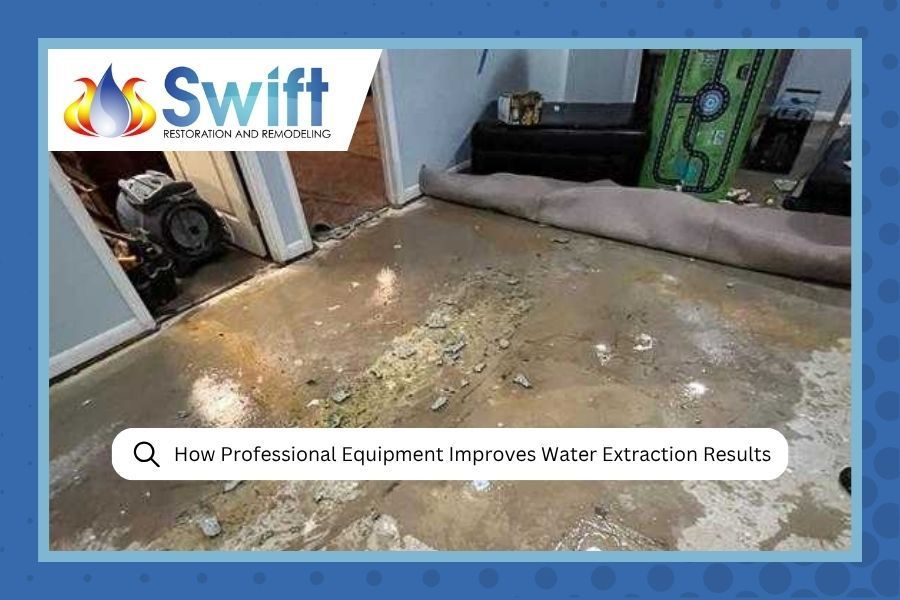
Shop vacs and box fans feel like action. For a small spill on hard flooring, they might be enough. But for anything structural, household equipment doesn't come close to what professional drying requires, and trying can end up costing more, not less.
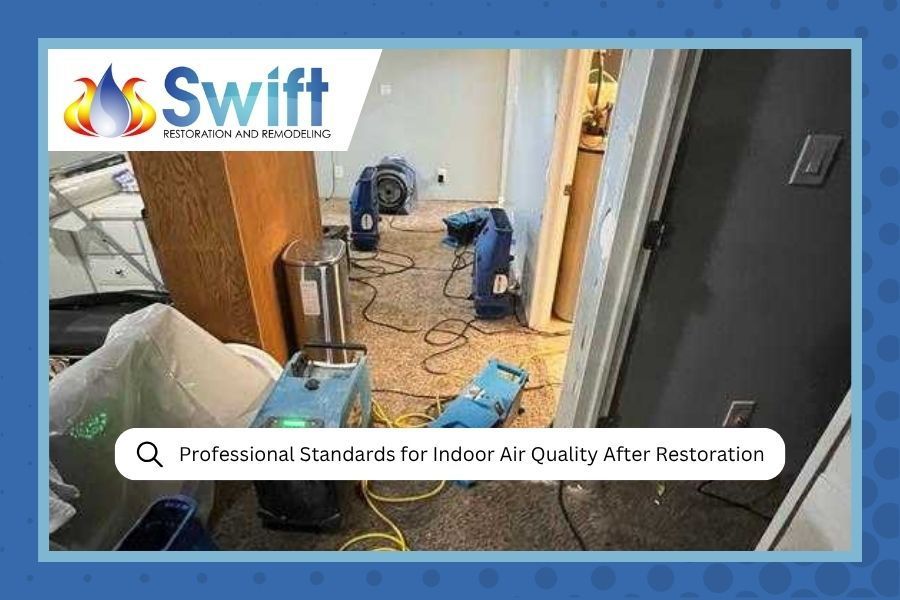
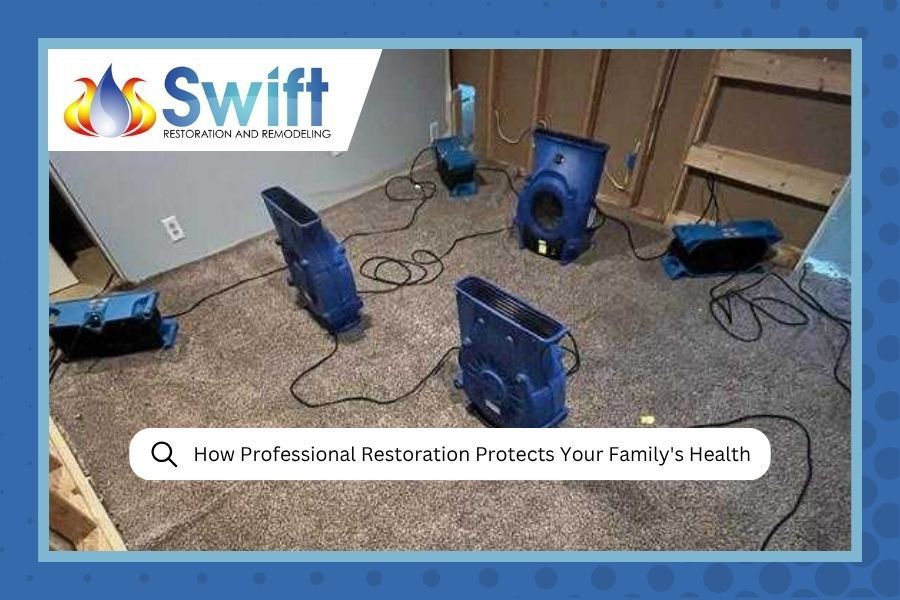
Water doesn't just sit on the surface. It wicks through drywall, travels along floor joists, and hides inside wall cavities where you can't see it. A regular fan blowing on wet carpet creates airflow at the surface while moisture underneath keeps spreading. Professional extraction uses industrial air movers and commercial dehumidifiers calibrated to the room's moisture levels, pulling water out of the structure itself.
Why DIY drying often makes things worse
DIY drying that looks successful often leaves trapped moisture behind walls and under flooring. That becomes mold within days. By the time the smell shows up, you're dealing with a much bigger remediation project. Our IICRC-certified team uses moisture meters and thermal imaging to find water that isn't visible. For a deeper look at why below-grade water especially needs professional help, see our post on how basement flooding differs from other water damage types.
Mistake #5: Ignoring Hidden Moisture After Cleanup
The floors look dry. The walls feel dry. Everything smells fine. Problem solved? Not necessarily. Hidden moisture is one of the most common causes of secondary damage, and it's exactly why mold shows up weeks after a water event that seemed fully handled.
Water follows the path of least resistance, and it often ends up somewhere you didn't think to check. It pools behind baseboards, soaks into subfloor materials under vinyl or tile, and travels up wall framing well above the visible water line. In older Ogden homes especially, porous materials can absorb and hold moisture further than you'd expect.
Signs hidden moisture might still be present
- A musty smell developing a few days after the initial event
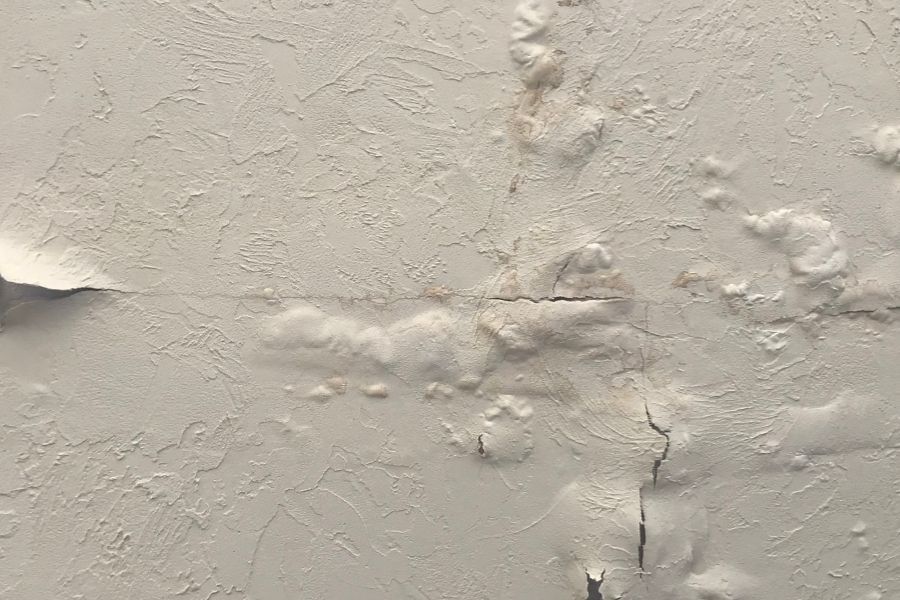
- Paint bubbling or drywall that feels soft when pressed
- Flooring that starts to buckle or lift at the seams
- Persistent humidity in one area of the house
- Visible mold spots along baseboards or in corners
Our IICRC-certified technicians monitor moisture readings daily throughout the drying process, adjusting equipment until readings confirm the structure is back to safe levels. If something still seems off after a recent water event, our post on emergency planning for Northern Utah's spring flooding season covers when to call for a follow-up assessment. And if you want professional eyes on your home, our team at Swift Restoration and Remodeling offers free estimates and is happy to take a look.
Serving Ogden, Weber County, and Northern Utah
Swift Restoration and Remodeling has 15+ years responding to water emergencies across Northern Utah. We're IICRC certified, BBB accredited, and available around the clock when you need us most.
See Our Ogden Service AreaFrequently Asked Questions
How quickly does water damage spread in a home?
Water damage spreads within minutes to hours. In the first hour, water soaks into flooring, drywall, and furniture. Within 24 to 48 hours, mold can begin growing in saturated materials. Acting fast in the first few hours significantly limits the total damage and cost of restoration.
Should I use a fan or dehumidifier to dry out water damage myself?
Household fans and dehumidifiers can help with very minor surface moisture but are not sufficient for structural water damage. Professional restoration equipment extracts water from inside walls, floors, and framing where home equipment cannot reach. DIY drying often leaves hidden moisture that leads to mold within days.
Does my homeowner's insurance cover water damage from a burst pipe in Ogden?
Most standard homeowner's insurance policies in Utah cover sudden and accidental water damage, such as a burst pipe or appliance failure. Gradual leaks and flooding from outside sources are generally not covered under standard policies. Documenting damage thoroughly before cleanup begins is critical for a successful claim.
What should I do first if I discover water damage in my home?
First, stop the water source by locating and shutting off the nearest valve. Second, document the damage with photos and video before touching anything. Third, call a professional water damage restoration company for an assessment. Avoid using electrical appliances in wet areas and do not enter rooms with standing water near electrical outlets.