How to Prevent Mold During Utah's Humid Summer Months
Updated On: June 2, 2026
Author: Darin Jenks
Utah has a reputation for dry air, and that reputation is mostly earned. But summer changes things. From June through August, monsoon moisture pushes north, afternoon storms roll off the Wasatch Mountains, and humidity in Weber County climbs in ways that catch homeowners off guard. That warmth and moisture together create the exact conditions that bring professional mold remediation teams out all season long.
Mold doesn't need a flood to get started. A slightly damp basement or a bathroom with poor ventilation can tip your home into the mold-growth range fast. At Swift Restoration and Remodeling, we've been responding to mold calls across Ogden, Layton, Farmington, and Kaysville for over 15 years. We see the same patterns every summer. Most of them are preventable.
Worried about mold this summer?
Our IICRC-certified team offers mold inspections across Weber County and Northern Utah. We'll tell you exactly what you're dealing with.
Get a Free EstimateWhy Utah Summers Create Mold Problems Most People Don't Expect
Mold needs three things: moisture, warmth, and an organic surface to grow on. Utah summers supply two of those, and your home supplies the third. According to the EPA, indoor relative humidity above 60% is where mold problems become likely. During peak monsoon weeks, outdoor humidity along the Wasatch Front can hit that range on warm afternoons.
Communities like Farmington, Kaysville, and the Ogden foothills see fast moisture swings. A sunny 90-degree morning can become a humid, stormy afternoon within hours. When that moist air enters your home and meets cooler interior surfaces, it condenses. That's your mold window.
🌡️ Indoor Humidity and Mold Risk
| Indoor Humidity | Risk Level | Action |
|---|---|---|
| Below 50% | Low | Maintain current habits |
| 50% to 60% | Moderate | Run dehumidifier, improve ventilation |
| Above 60% | High | Immediate action required |
| Recent water intrusion | Very High | Dry within 24 to 48 hrs or call a pro |
The Rooms Where Summer Mold Shows Up First
Mold follows moisture. Knowing your home's most vulnerable areas gives you a head start on prevention instead of chasing a problem that's already spread.
Basements and Crawl Spaces
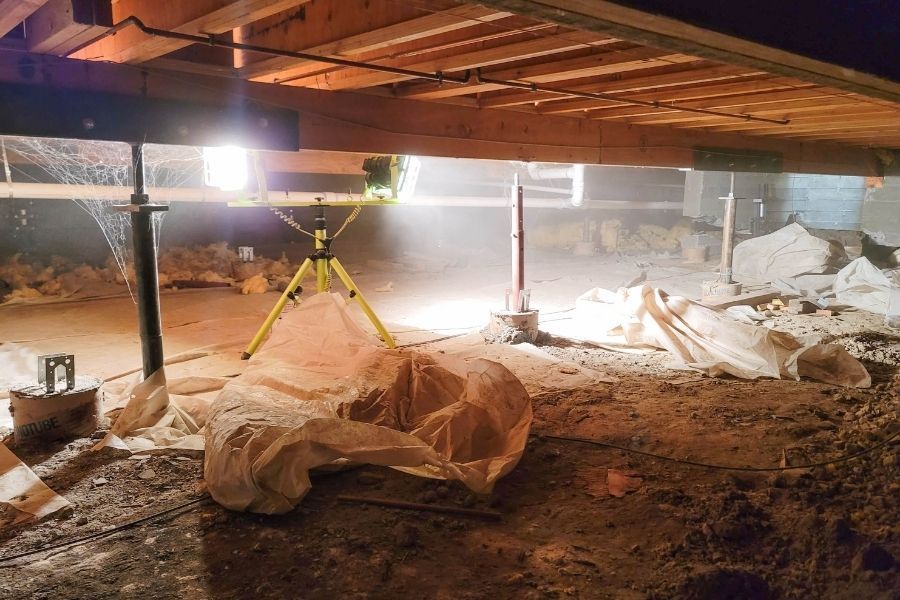
These are the first places we check when a Northern Utah homeowner calls about a musty smell. Basements sit below grade, in direct contact with soil that holds moisture for weeks after a monsoon event. Even a "dry" basement after a wet stretch may read 20 to 30 humidity points higher than the rest of the house. A portable dehumidifier running through July and August isn't optional for most Weber County homes.
Bathrooms Without Proper Ventilation
Hot summer showers plus a fan that vents into the attic instead of outside equals a mold problem waiting to happen. This setup is common in older homes across Layton and Ogden. Check where your exhaust fan actually terminates. If it's dumping warm, moist air into attic insulation, mold follows. Run your fan for at least 20 minutes after every shower.
HVAC Systems and Air Handlers
Your AC collects moisture in a drip pan under the air handler. If the drain line clogs during heavy summer use, water backs up and sits. We've responded to mold colonies inside HVAC systems in Farmington and Kaysville homes, with spores then getting pushed through every vent in the house. Check your drip pan before peak season.
Summer Mold Prevention Checklist for Utah Homeowners
Run through this at the start of summer and again around mid-July when monsoon activity picks up.
✓︎ Before and During Monsoon Season
- Pick up a hygrometer to monitor indoor humidity levels
- Run your AC consistently rather than turning it off during the day
- Confirm bathroom exhaust fans vent to the exterior, not into the attic
- Check window seals and weatherstripping for gaps
- Clear gutters so storm runoff channels away from your foundation
- Inspect basement walls and floors for damp spots after monsoon events
- Confirm clothes dryers vent to the outside, not into a wall cavity
- Check under sinks for slow drips or moisture buildup
- Verify your crawl space vapor barrier is intact and undamaged
How to Control Indoor Humidity This Summer
The CDC recommends keeping indoor relative humidity between 30% and 50% to reduce mold risk. In a Utah summer, your AC alone may not achieve that throughout the whole house.
Running your AC consistently is the single most impactful change you can make. Turning it off during the day and cranking it back up in the afternoon creates humidity spikes. When the system shuts down, indoor temperature rises, the air holds more moisture, and when things cool rapidly that moisture condenses on surfaces. A programmable thermostat set to a steady range prevents this cycle.
For basements and laundry rooms, add a dehumidifier sized for the actual square footage. On humid summer afternoons, keep windows closed. When outdoor humidity is above 60%, opening up the house pulls in more moisture than it releases. Save cross-ventilation for dry mornings, before the afternoon storms start.
Schedule a Mold InspectionWarning Signs That Mold Has Already Started Growing
Even with good prevention habits, mold can get ahead of you. These are the signals homeowners describe right before they call us.
- A musty or earthy smell that doesn't clear up after airing out a room. Reliable first sign.
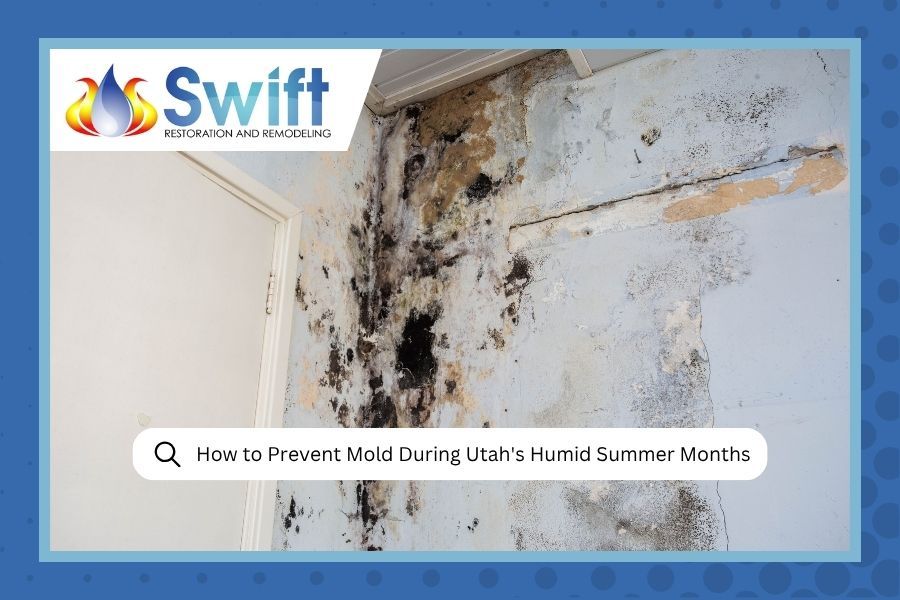
- Visible discoloration on walls, ceilings, or grout lines that wasn't there before. Mold isn't only black. Green, gray, and white patches all count.
- Allergy-like symptoms that improve when you leave the house, pointing to indoor air quality issues.
- Warping or soft spots on drywall or wood trim, indicating moisture inside the wall cavity.
- Water stains appearing after monsoon storms that seem to dry out on their own. Intermittent moisture still grows mold.

If you're seeing any of these, our guide on finding hidden mold in your Ogden home walks through exactly where to look next. And our post on preventing mold after water damage covers the connection between moisture intrusion and mold growth in detail.
When visible mold covers more than 10 square feet, grows inside ductwork, or keeps returning after cleaning, it's time to call in professionals. At Swift Restoration and Remodeling, we find the moisture source, not just the visible growth. Get in touch with our team and we'll walk you through the right next step.
Frequently Asked Questions About Summer Mold Prevention in Utah
Does Utah's dry climate mean I don't need to worry about summer mold?
Not quite. Utah's overall climate is dry, but summer monsoon patterns and temperature swings along the Wasatch Front push indoor humidity above safe levels in many homes, especially in basements and poorly ventilated areas. Ogden, Farmington, Kaysville, and Layton all see enough summer humidity that mold prevention is a real seasonal concern.
What indoor humidity level should I target during Utah summers?
Keep indoor relative humidity between 30% and 50%. During peak monsoon weeks in July and August, a dehumidifier running alongside your AC is often necessary. A basic hygrometer costs around $15 and removes the guesswork entirely.
How fast can mold grow after a summer storm causes water intrusion?
Mold can begin growing within 24 to 48 hours of moisture exposure, and in warm summer temperatures that window can be even shorter. If your basement takes on water after a monsoon event, getting the area dry within the first 24 hours significantly lowers mold risk.
Can summer mold cause structural damage to a home over time?
Yes. Mold growing inside wall cavities or structural framing can degrade those materials over time. By the time structural effects become visible, repairs are typically far more expensive than addressing the mold source early would have been. This is true for any home along the Wasatch Front.
Swift Restoration and Remodeling serves Ogden, Weber County, Layton, Farmington, Kaysville, and surrounding Northern Utah communities.
If you're dealing with a mold concern this summer, our IICRC-certified team is ready to help. Free estimates, honest assessments, and 15 years of local experience behind every job.
Contact Our Team Today