
How Basement Flooding Differs from Other Water Damage Types
Updated On: April 7, 2026
Author: Darin Jenks
Jump To:
Most homeowners assume water damage cleanup is the same no matter where it happens. A flooded kitchen, a soggy ceiling, a wet basement. Water is water, right? Not exactly. Basement flooding comes with unique challenges that make it fundamentally different from water damage restoration on upper floors.
At Swift Restoration and Remodeling, our team has spent over 15 years responding to water emergencies across Ogden and Northern Utah. We can tell you from experience: the basement is always its own animal.
Why Basements Are a Whole Different Situation
Your basement sits below ground level. That sounds obvious, but it changes everything about how water gets in, how it behaves, and how hard it is to get back out.
On an upper floor, a burst pipe usually means water flows downward through predictable paths. You can see the source, trace the damage, and gravity actually helps pull water toward drains. In a basement? Gravity is the reason you have a problem in the first place.
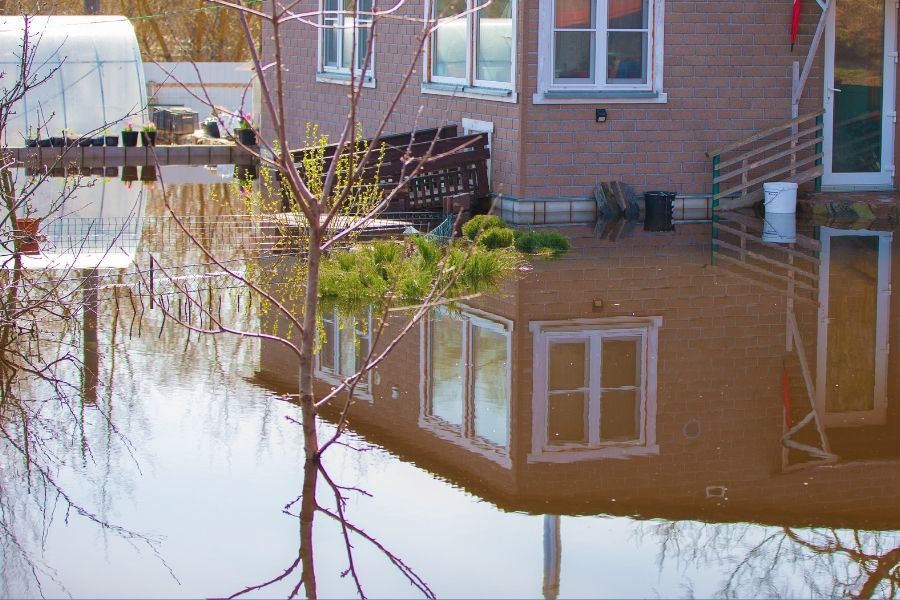
Outside water intrusion is one of the most common causes of basement flooding in Northern Utah, especially during spring runoff season.
Gravity Works Against You
Upper-floor water damage spreads laterally and downward. It's messy, but the water moves through the structure in accessible ways. You can pull up carpet, cut into drywall, and get air moving.
Basement flooding is different because the water has nowhere to go. It pools, sits, and saturates everything from the floor up. According to the EPA's Flooded Homes Cleanup Guidance, drying out a flooded space can take days to weeks, and basements typically sit at the longer end because of limited airflow and higher humidity.
Dealing With a Flooded Basement?
Our team responds 24/7 across Weber County and Northern Utah.
Get Help TodayWater Categories Matter Even More in Basements
The IICRC classifies water damage into three categories. Category 1 is clean water from a supply line. Category 2 (grey water) has some contaminants. Category 3 (black water) contains sewage or other serious hazards.
Upper-floor water damage is often Category 1 or 2, caused by appliance leaks or supply line failures. Basement flooding, especially from groundwater or sewer backups, frequently starts as or quickly becomes Category 3. The CDC warns that floodwater may be contaminated with mold or sewage, and in basements the risk is amplified because sewage lines run at or below that level.
| Factor | Upper-Floor Water Damage | Basement Flooding |
|---|---|---|
| Common Water Category | Category 1 or 2 (clean/grey) | Often Category 2 or 3 (grey/black) |
| Water Removal | Gravity assists drainage | Requires mechanical pumping |
| Drying Time | Typically days | Often weeks or longer |
| Mold Risk | Moderate if dried quickly | High due to humidity and poor airflow |
| Structural Concerns | Drywall, flooring, subflooring | Foundation, slab, load-bearing walls |
| Insurance Coverage | Usually covered by standard policy | May require separate flood insurance |
Hidden Damage Below Grade
With upper-floor damage, what you see is mostly what you get. Water stains, warped flooring, damaged drywall. Basements tell a different story.
Below-grade spaces are surrounded by soil, meaning moisture enters from directions you can't inspect. Water wicks up through concrete via capillary action, saturating flooring and stored items without visible standing water.
This hidden moisture creates ideal conditions for mold growth. Working on homes across Kaysville and surrounding communities, we've pulled back seemingly dry basement walls only to find extensive mold colonies behind them.
⚠ Why Basements Are High-Risk for Mold
- Limited airflow: Fewer windows and less natural ventilation than upper floors.
- Higher humidity: Below-grade spaces naturally hold more moisture.
- Hidden surfaces: Water gets behind finished walls, under carpet padding, and inside wall cavities.
- Slower drying: Without sunlight and cross-ventilation, drying takes significantly longer.

Understanding your insurance coverage before a basement flood happens puts you in a much stronger position when filing a claim.
Insurance Treats Basement Flooding Differently
This catches a lot of homeowners off guard. Standard homeowner's insurance typically covers water damage from sudden, accidental events like burst pipes. But basement flooding from groundwater, rising water tables, or exterior flooding? That usually requires a separate flood insurance policy through the National Flood Insurance Program.
Even when covered, insurers may apply different rules for below-grade spaces or exclude certain stored property. Documenting everything thoroughly is critical. Our guide on how to document water damage for insurance claims walks through the process step by step.
Basement-Specific Response Checklist
What you do in the first hours after discovering a flooded basement matters. Here's a quick-reference checklist for basement situations specifically:
- Do not enter standing water if it's above electrical outlet level or you suspect sewage contact.
- Shut off electricity to the basement from the main panel, only if you can reach it safely from a dry location.
- Call a professional restoration team. Pumping too fast can cause foundation wall damage.
- Document everything with photos and video before any cleanup begins.
- Contact your insurance provider as soon as it's safe to do so.
- Avoid using your HVAC system until the basement is assessed, since contaminated air can spread through ductwork.
If you're dealing with a flooded basement, our team is available 24/7. Call (385) 412-8633 for immediate help.
You can also read our case study on a multi-room water damage restoration in Kaysville or our tips on cleaning flooded basements after snow melts.
Need Basement Flood Cleanup in Northern Utah?
Over 15 years of experience, IICRC certified, 24/7 emergency response, and free estimates within 24 hours.
Learn About Our Basement Cleanup ServicesFrequently Asked Questions
Why does basement flooding take longer to dry than upper-floor water damage?
Basements have limited ventilation, no sunlight, and higher ambient humidity. Moisture gets trapped behind foundation walls and under concrete slabs, requiring professional-grade dehumidifiers and air movers to reach safe thresholds.
Is basement flood water more contaminated than water damage on upper floors?
Often, yes. Basement flooding from groundwater or sewer backups frequently involves Category 2 or 3 water containing bacteria or raw sewage. Upper-floor damage from burst pipes is more commonly clean Category 1 water.
Does homeowner's insurance cover basement flooding?
It depends on the cause. Sudden, accidental events like burst pipes are typically covered. Flooding from external water sources or natural disasters usually requires a separate flood insurance policy.
Can I pump out a flooded basement myself?
Pumping too quickly can create a pressure imbalance against foundation walls, risking structural damage. Professionals remove water gradually, about one-third per day, to protect the foundation.