
Refrigerator Leak Water Damage Restoration in Payson, UT
Updated On: November 3, 2026
Author: Darin Jenks
How Did a Refrigerator Water Line Damage Two Floors of a Payson Home?
A small refrigerator supply line leak in the main level kitchen sent water across the floor, into the pantry walls, and down into the basement ceiling below. By the time we arrived, the home needed water damage restoration on two levels. It's one of the sneakiest leaks out there, because it hides behind an appliance nobody ever moves.
Here's the funny part. Payson sits about a two hour drive south of our shop in Ogden, which is way outside where we normally work. But an insurance agent who trusted our work sent the homeowners our way. After one phone call, our team at Swift Restoration and Remodeling loaded up the truck and headed south.
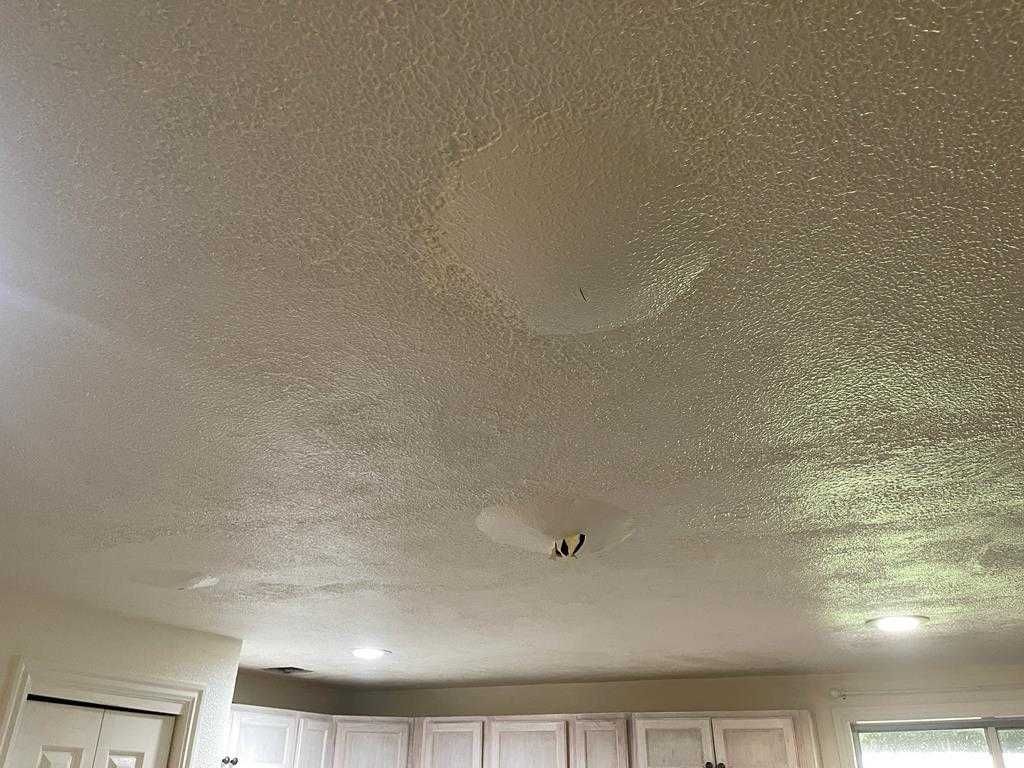
When we walked in, the basement ceiling under the kitchen was sagging like a wet paper towel. Not exactly the surprise anyone wants on a weekday.
How Did We Track Where the Water Went?
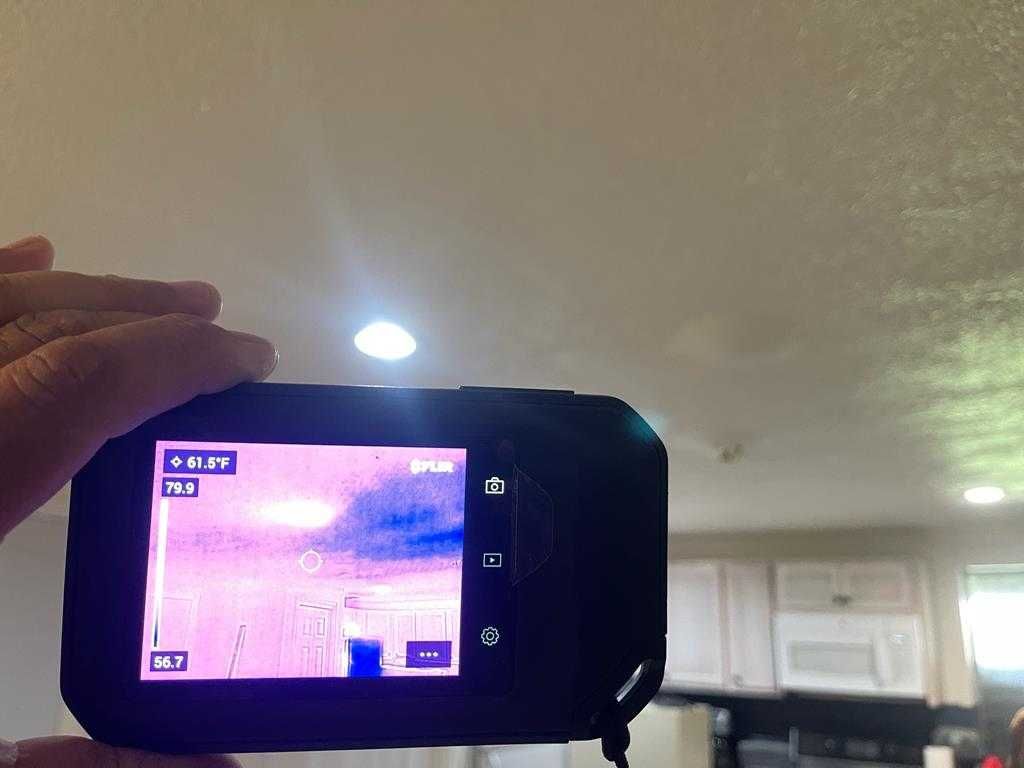
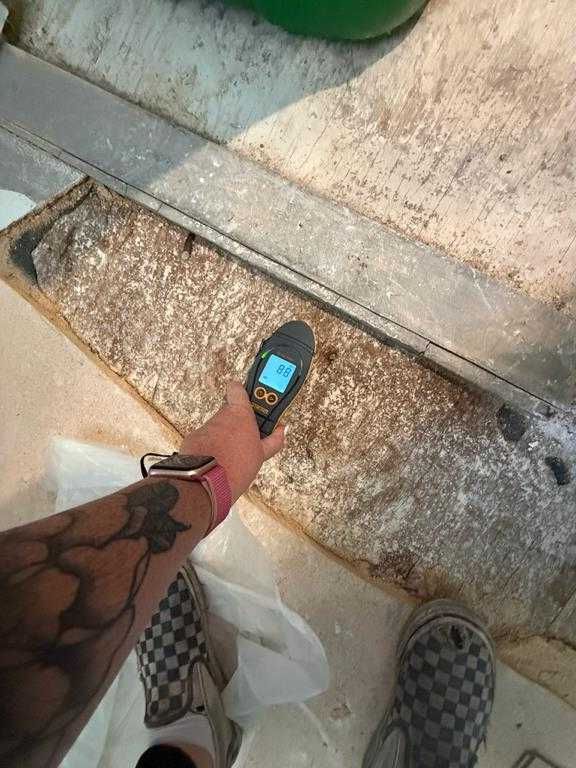
We used thermal imaging and moisture meters to map exactly where the water had traveled. Water rarely stays where it lands. It follows framing, slips under flooring, and drips through ceilings, so what you see is usually only part of the story. Mapping it first means we remove what's wet and leave what isn't.
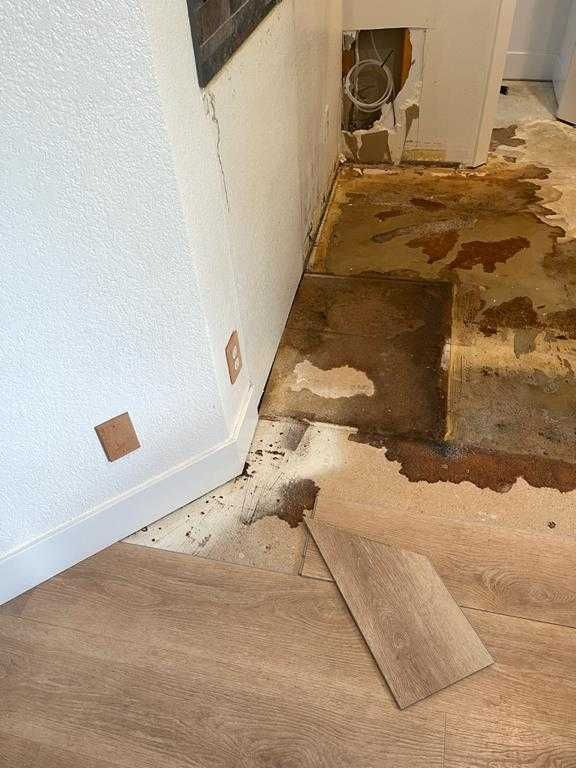
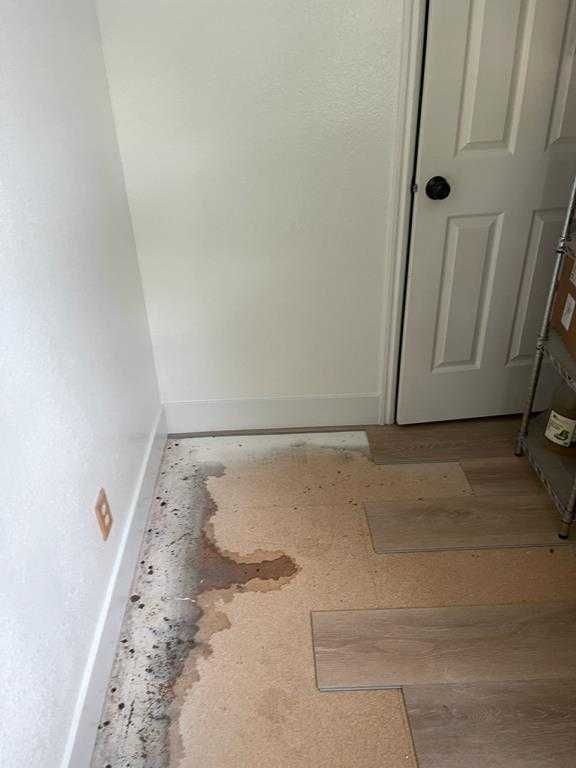
Our thermal camera picked up cool, wet patterns spreading across the basement ceiling right below the kitchen. Upstairs, moisture readings showed wet subfloor in the kitchen and pantry, plus damp drywall along the lower walls. If you're curious how this works, we break it down in our guide to thermal imaging in damage assessment.
Quick tip from our crew: if your fridge has an ice maker or water dispenser, peek behind it a couple of times a year. Those supply lines get brittle with age, and our professional leak detection services exist because most leaks don't announce themselves.
Here's what we found on day one, upstairs and down.
What Does Water Mitigation Look Like in a Home People Live In?
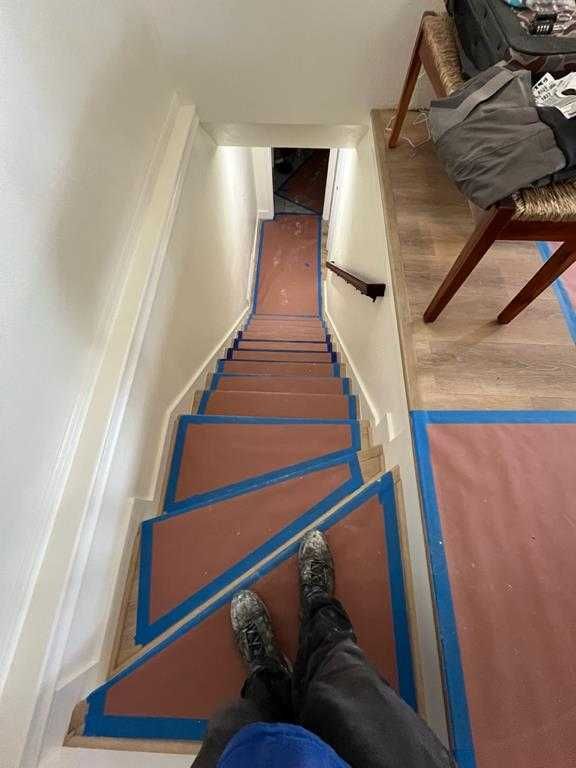
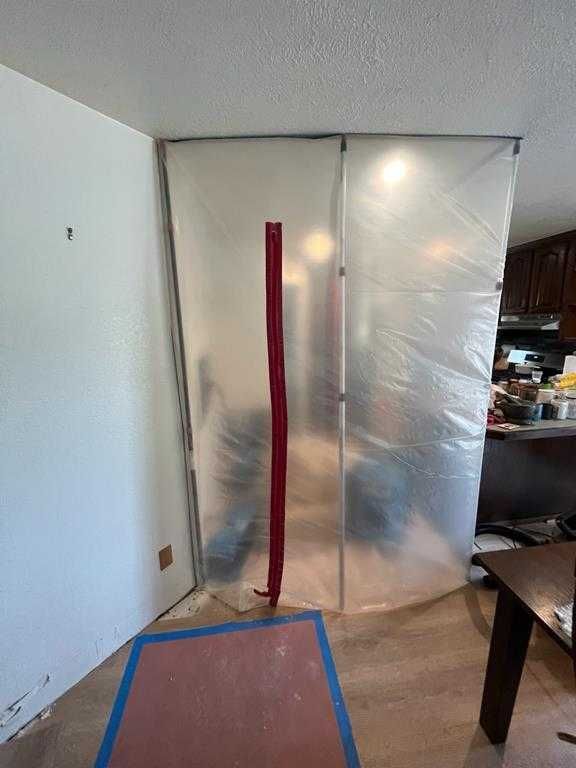
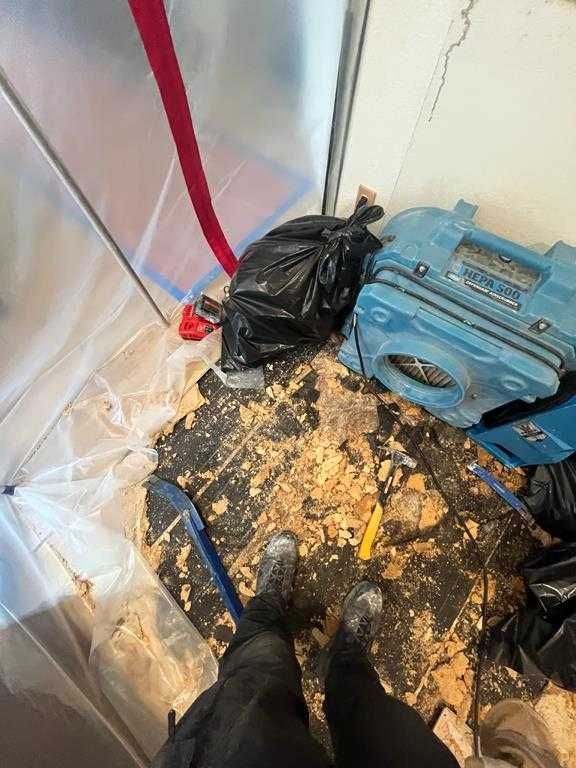
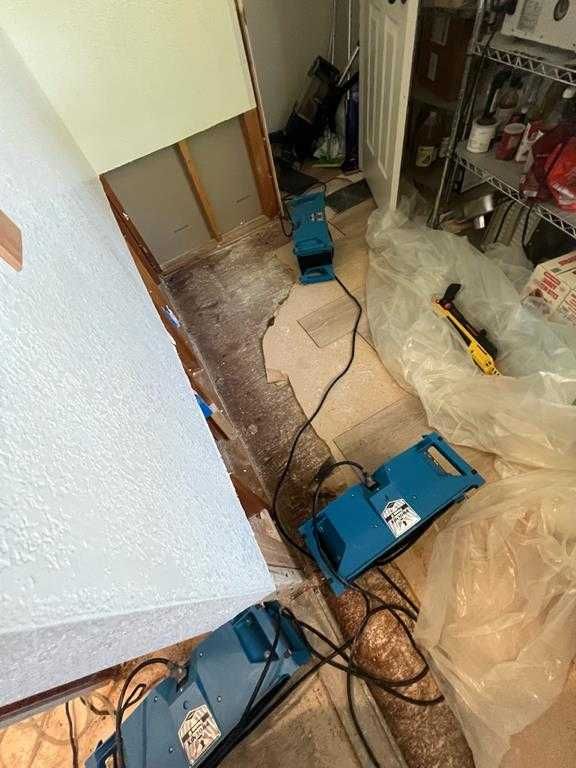
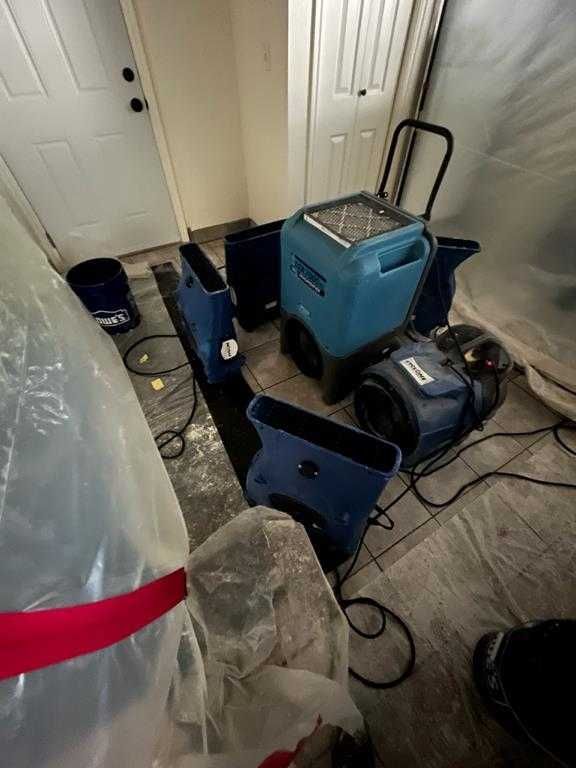
Good water mitigation protects everything that isn't damaged while removing everything that is. Before any demo started, we laid protective covering along the floors on our work path and set up plastic containment barriers. A HEPA air scrubber kept dust from drifting into the rest of the house.
The family was still living there, so this part mattered. Nobody wants drywall dust on the living room couch.
Main Level: Kitchen and Pantry
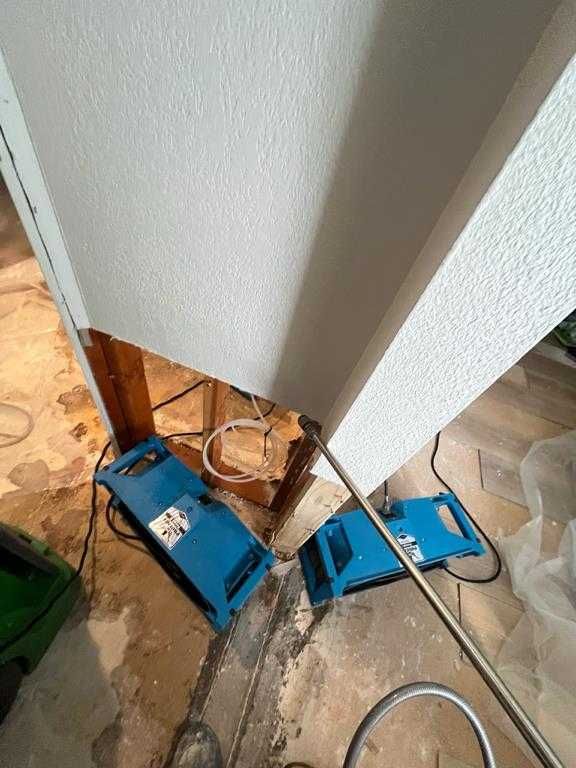
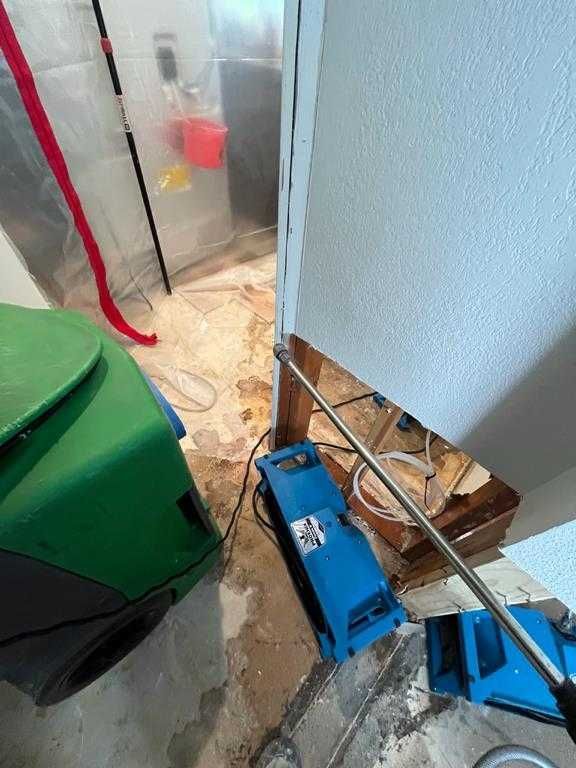
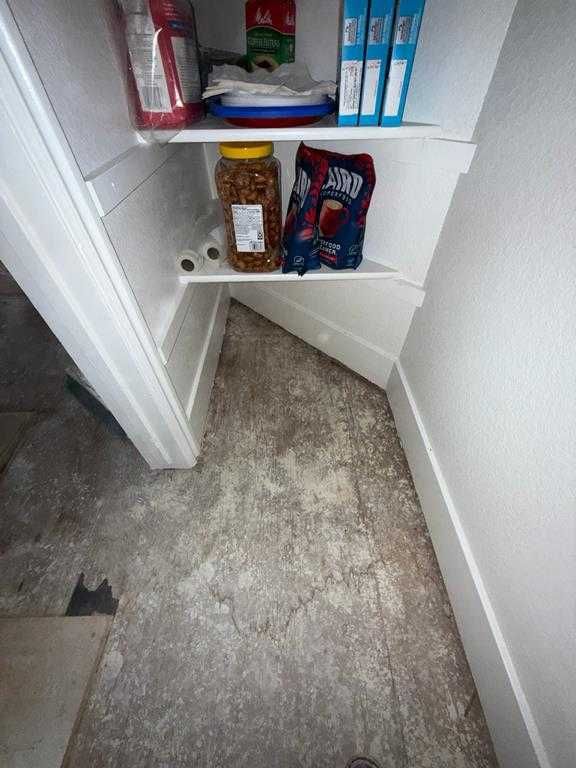
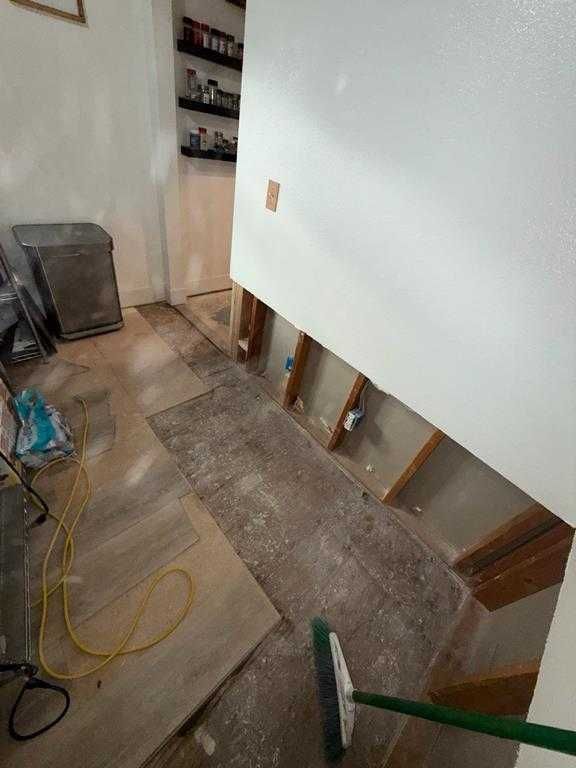
We removed the water damaged flooring in the affected areas, down to the subfloor. Then we cut out the wet lower sections of drywall to open the wall cavities. Wet drywall acts like a sponge, and leaving it in place traps moisture behind it.
Basement Ceiling
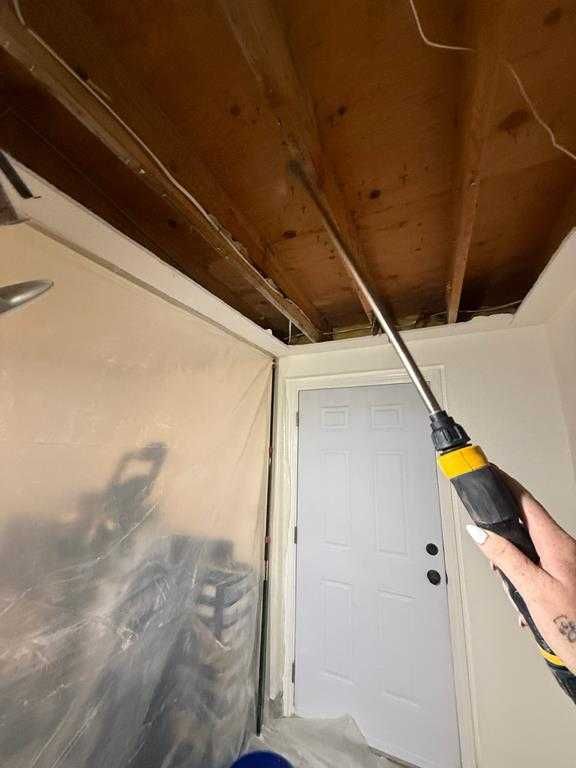
Downstairs, we took out the damaged ceiling drywall below the kitchen. That exposed the joists and the underside of the subfloor, so air could finally reach them. We hauled out the demolition debris as we went.
Setting Up the Drying
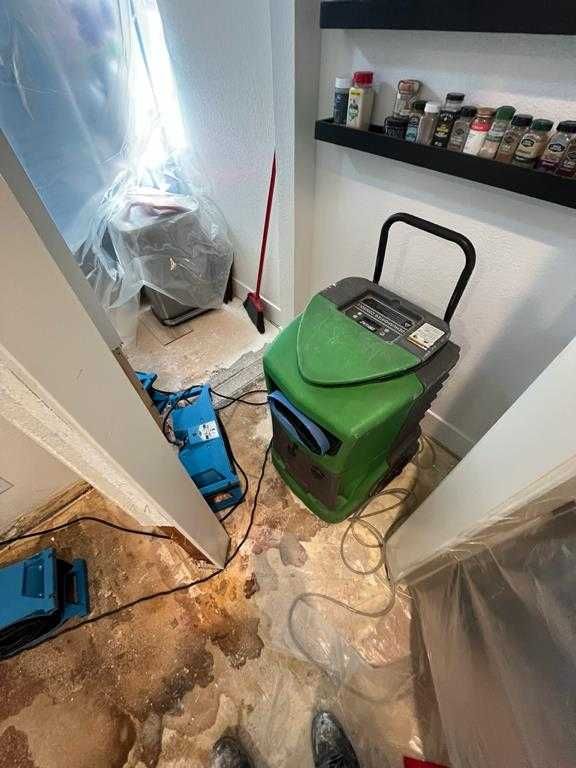
Next, we placed air movers and a commercial dehumidifier to pull moisture out of the structure. Our process follows the IICRC standard for professional water damage restoration, which guides how drying equipment is set up and monitored.
Protection, containment, demo, and drying in action.
How Do You Keep Mold From Growing After a Leak?
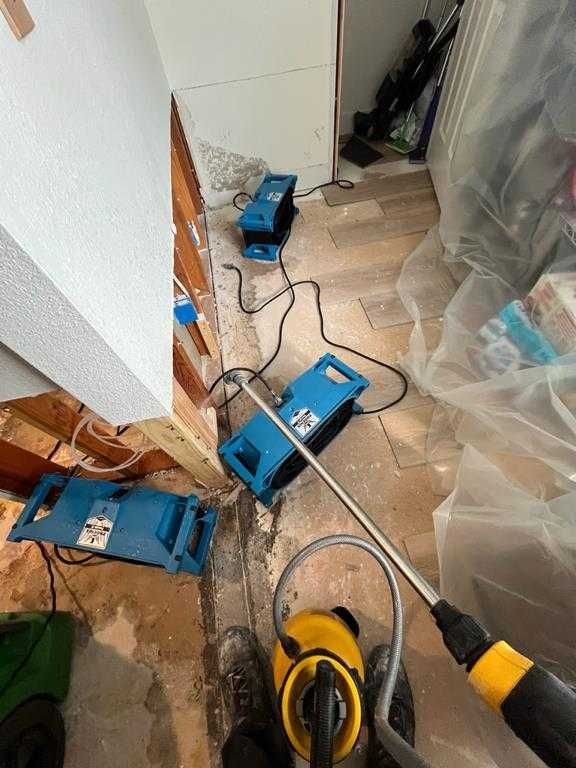
You treat the exposed materials and get them dry quickly. We applied germicide to the exposed subfloor, wall framing, and basement ceiling joists. The EPA's guide to mold and moisture makes the same point we tell every homeowner: control the moisture and you control the mold.
Wondering how fast mold can show up? Our article on the mold growth timeline after water damage covers it. Short version: faster than most people expect.
How Did We Know the Home Was Truly Dry?
We don't guess when a home is dry. We measure it. Once the equipment had done its work, we took final moisture readings in the kitchen and pantry to confirm the materials had dried out. Calling it done without readings is how hidden moisture comes back months later as a musty smell.
Since this job started with an insurance referral, we also kept the homeowners in the loop with clear documentation. Our insurance claims restoration help takes a lot of stress off families. Coverage always depends on your individual policy, so it's smart to confirm details with your provider.
Antimicrobial treatment, final readings, and a dry, clean structure.
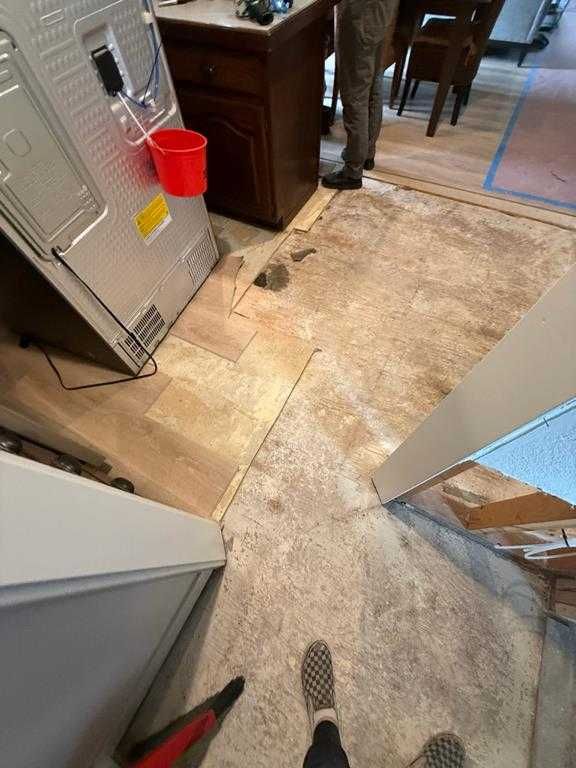
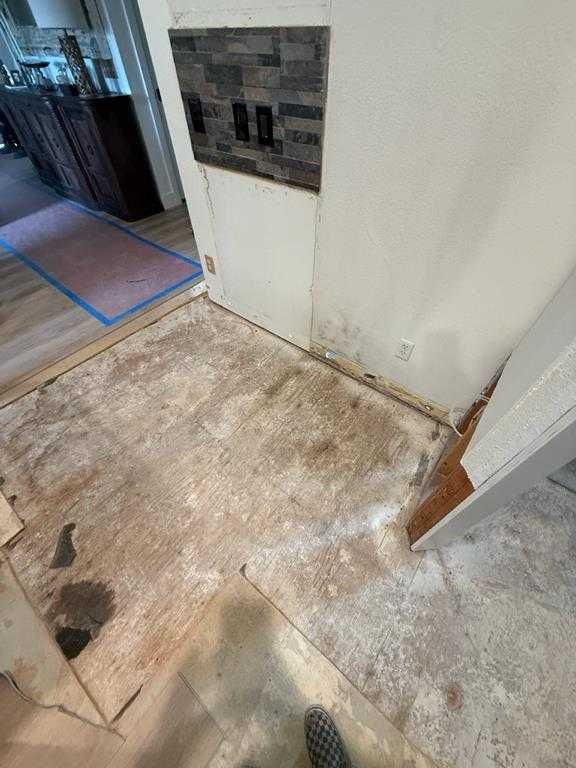
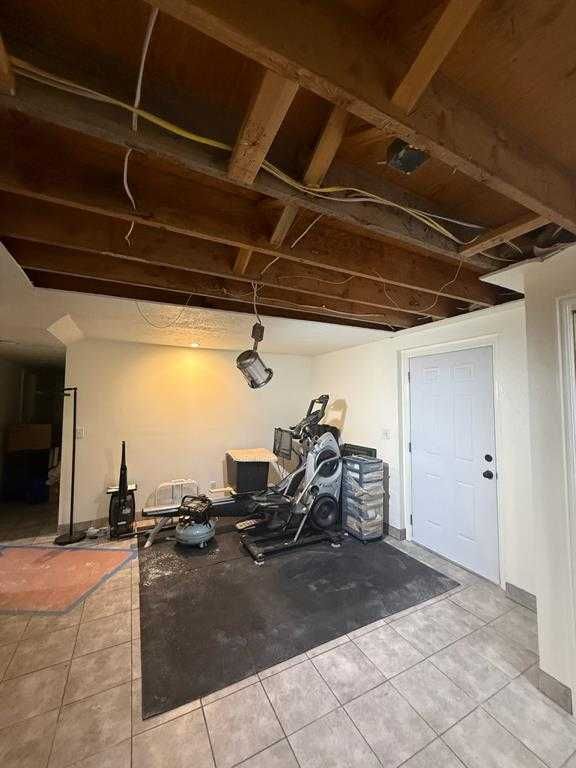
What Can Homeowners Learn From This Refrigerator Leak?
A slow appliance leak can damage more than one floor, so a fast response and a full moisture check matter most. The quicker wet materials come out and drying starts, the less there is to repair. A few habits go a long way toward avoiding a job like this one:
- Know where the water shutoff for your fridge is, usually behind it or under the sink.
- Check supply lines behind the fridge, dishwasher, and washer every few months.
- Watch for soft spots in the floor or bubbling paint on the ceiling below a kitchen.
- Call a pro early, since water travels farther than it looks.
Want to see another one? Our Kaysville multi room water damage restoration shows a similar process on a bigger scale.
Found Water Where It Shouldn't Be?
We're here 24/7 for water emergencies across Ogden, Weber County, and Davis County. We'll find the source, dry things out right, and work directly with your insurance company.
Request Your Free EstimateWhat happens after you reach out?
- We assess the damage with moisture meters and thermal imaging.
- You get a free estimate within 24 hours.
- We protect your home, remove wet materials, and dry the structure.
Why homeowners call Swift Restoration and Remodeling
- Over 13 years in restoration and 30+ years in construction
- BBB accredited, with a 3 to 5 year guarantee on our work
- Direct insurance billing to keep things simple