How Smoke Damage Affects Your Home's Air Quality After Fire
Updated On: August 11, 2026
Author: Darin Jenks
Jump To:
A house fire changes everything in minutes. But here's something most homeowners don't realize: the flames are only part of the problem. Long after the fire trucks leave, smoke particles keep circulating through your home, quietly degrading your indoor air quality. If you've experienced a fire in the Ogden area, understanding smoke damage is the first step toward protecting your family. Our team at Swift Restoration and Remodeling has spent over 15 years helping Northern Utah homeowners with fire damage restoration, and air quality recovery is a critical part of that process.
Smoke doesn't just disappear when the fire goes out. It settles. It absorbs. It hides.
What Smoke Actually Does to Your Indoor Air
Smoke is a complex mixture of gases, fine particles, and chemical compounds. When materials like wood, plastic, insulation, and synthetic fabrics burn inside a home, they release thousands of microscopic particles into the air. These particles, many smaller than 2.5 microns (known as PM2.5), are small enough to bypass your body's natural filtering systems and settle deep into your lungs.
According to the EPA's guidance on smoke and indoor air quality, fine particulate matter is the most significant health concern because these particles penetrate indoors even when windows and doors are closed. In a home that's experienced an actual fire, the concentration is dramatically higher than outdoor smoke alone.
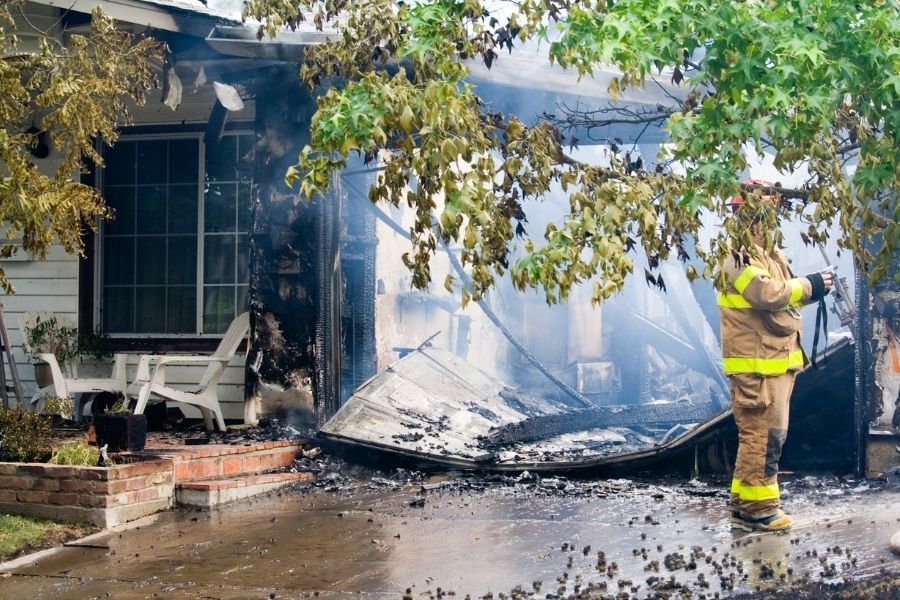
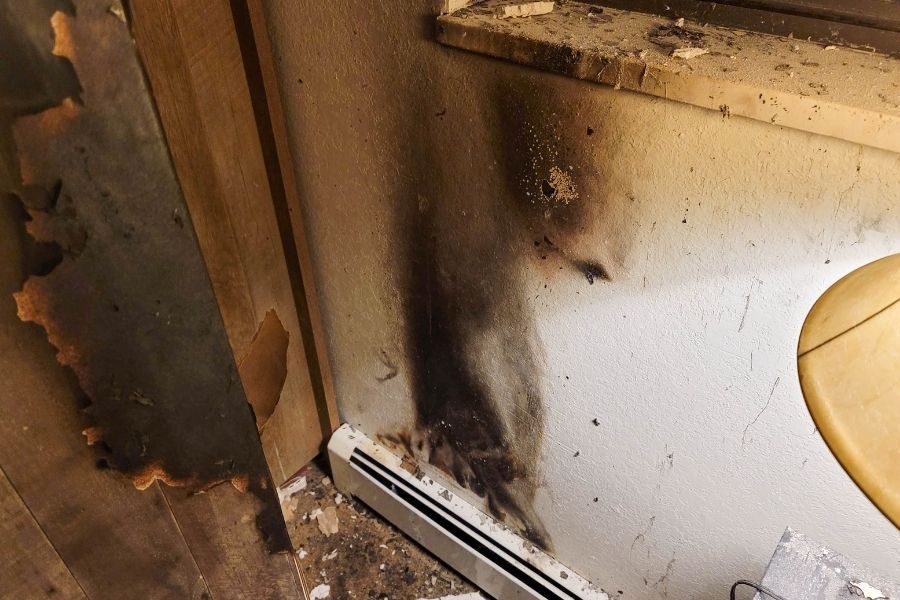
The tricky part? You can't always see it. Smoke particles cling to walls, ceilings, carpets, upholstery, and even the inside of your HVAC ductwork. Every time your heating or cooling system kicks on, it recirculates those particles throughout the house.
The Hidden Dangers of Smoke Residue
Soot and smoke residue aren't just cosmetic problems. They're chemically active. When household materials burn, they produce volatile organic compounds (VOCs), carbon monoxide byproducts, and acidic residues that continue off-gassing long after the fire is extinguished. This is especially true in homes across Weber County and Davis County where older construction materials or certain insulation types are common.
Surfaces That Trap Smoke the Most
Not every surface in your home absorbs smoke equally. Porous materials are the worst offenders because they act like sponges for microscopic particles.
- Carpet and padding: Fibers trap soot particles deep below the surface where vacuuming can't reach them
- Drywall and textured ceilings: Porous gypsum absorbs smoke compounds that continue releasing into the air
- Upholstered furniture and curtains: Fabric weaves hold onto smoke at a molecular level
- HVAC ductwork: Smoke circulates through the system and coats interior duct surfaces, redistributing particles every cycle
- Clothing in closets: Even items in closed closets can absorb smoke particles that travel through gaps and vents
Dealing with smoke damage in your home?
Don't wait for air quality problems to get worse. Our IICRC-certified team can assess the damage and build a restoration plan.
Get a Free EstimateHow Smoke-Contaminated Air Affects Your Health
Breathing smoke-contaminated air triggers real health consequences, and some of them show up quickly while others develop over time. The CDC notes that smoke exposure can cause both short-term irritation and longer-term respiratory complications, particularly for vulnerable groups.
Here's what smoke-damaged indoor air can do to your body:
| Symptom Category | Common Symptoms | Who's Most at Risk |
|---|---|---|
| Respiratory | Coughing, wheezing, shortness of breath, chest tightness | People with asthma, COPD, or existing lung conditions |
| Eye and Sinus | Burning or watery eyes, sinus congestion, sore throat | Children, elderly adults, allergy sufferers |
| Neurological | Headaches, dizziness, difficulty concentrating | Anyone in prolonged exposure, especially in poorly ventilated rooms |
| Cardiovascular | Elevated heart rate, aggravated heart conditions | Adults with heart disease or high blood pressure |
Kids and older adults are particularly vulnerable. Young children breathe faster than adults relative to their body size, which means they inhale more contaminants per pound of body weight. And if someone in your household has asthma or allergies, smoke residue can trigger flare-ups long after the initial fire event.
Post-Fire Air Quality Checklist for Homeowners
If your home has experienced a fire, whether it was a small kitchen incident or a larger structural event, here's what you should do to protect your indoor air quality. This applies to homeowners in Ogden, Layton, Farmington, Kaysville, and throughout Northern Utah.
✅ Your Post-Fire Air Quality Action Plan
- Stop using your HVAC system until ductwork has been inspected and cleaned by a professional
- Open windows(weather permitting) to allow fresh air circulation during initial ventilation
- Replace all air filters in your furnace, air purifiers, and any portable units
- Remove heavily affected soft materials like carpet padding, curtains, and upholstered items that can't be professionally cleaned
- Schedule professional air quality testing to measure particulate levels and VOC concentrations
- Clean hard surfaces with appropriate cleaning solutions designed for soot and smoke residue
- Have your HVAC ducts professionally cleaned before running the system again
- Contact a restoration professional for a full assessment, especially if you notice lingering odors
One thing we always tell homeowners: if you can still smell smoke, your air quality is still compromised. Your nose is actually a pretty good detector. That persistent smoky odor means particles are still present in your home's materials and air. Professional odor removal services use specialized equipment like ozone generators, thermal foggers, and hydroxyl generators to neutralize smoke compounds at the molecular level, not just mask the smell.
Why Professional Smoke Damage Restoration Matters
Here's a reality that catches many people off guard: cleaning up after a fire isn't the same as restoring air quality. You can scrub every wall, replace every piece of carpet, and still have poor indoor air because smoke particles have penetrated into wall cavities, insulation, subfloor materials, and ductwork.
Professional fire and smoke damage restoration involves air quality assessment, containment of affected areas, HEPA-filtered air scrubbing, surface cleaning with specialized solutions, thermal fogging for odor neutralization, and HVAC system decontamination. It's not glamorous work, but it's thorough.
For homes in Bountiful, Roy, Syracuse, and Brigham City, our team at Swift Restoration and Remodeling responds quickly because the longer smoke residue sits, the harder it becomes to remediate. Acidic compounds in soot start etching into metal, discoloring paint, and permanently bonding with porous surfaces within just a few days.
If your home has suffered fire damage, we also recommend reading our complete guide to fire damage for Ogden homeowners, which walks through the full recovery process from start to finish. And for those who want to prepare before fire season hits, our post on emergency planning for Northern Utah's wildfire season covers proactive steps you can take now.
When Smoke Damage Leads to Mold
This one surprises a lot of people. Fire damage often involves water damage too, since firefighting efforts drench the structure. Smoke particles act as a food source for certain mold species, and the moisture gives them everything else they need. If your home was both burned and soaked, mold remediation may be needed alongside smoke damage restoration.
Need help restoring your home's air quality after a fire?
Swift Restoration and Remodeling serves Ogden, Weber County, Davis County, and surrounding communities with 24/7 emergency fire damage restoration.
Learn About Our Restoration ServicesFrequently Asked Questions
How long does smoke stay in your house after a fire?
Without professional cleaning, smoke particles can linger in a home for months or even years. Soot and smoke residue absorb into porous materials like drywall, carpet, and upholstery, continuously releasing particles into the air. Professional smoke damage restoration, including air scrubbing and surface decontamination, is typically needed to fully restore indoor air quality.
Can you get sick from breathing smoke-damaged air in your home?
Yes. Smoke-contaminated indoor air contains fine particulate matter and volatile organic compounds that can cause respiratory issues, headaches, eye irritation, and worsened asthma or allergy symptoms. Children, elderly adults, and people with pre-existing lung or heart conditions are especially vulnerable to these health effects.
Does cleaning soot off walls fix the air quality problem?
Surface cleaning helps, but it doesn't solve the full problem. Smoke particles penetrate into wall cavities, insulation, HVAC ductwork, and subfloor materials where standard cleaning can't reach them. Restoring air quality after a fire requires professional equipment like HEPA air scrubbers, thermal foggers, and duct cleaning systems that address contamination beyond visible surfaces.
Should I run my HVAC system after a house fire?
No, not until the ductwork has been inspected and professionally cleaned. Running your HVAC system after a fire recirculates smoke particles throughout your entire home, spreading contamination to rooms that may not have been directly affected by the fire. Replace all filters and have ducts cleaned before turning the system back on.